Unraveling the Financial Web: Trump’s Crypto Ventures and Ethical Concerns
Recent revelations from an extensive financial disclosure have shown that former President Donald Trump earned over $1 billion from his cryptocurrency activities within a single year. Released in an annual form spanning approximately 900 pages, this disclosure highlights a staggering $526 million in income derived from World Liberty Financial, a crypto venture Trump co-founded with his son. Given this monumental figure, it is imperative to examine the ethical and legal implications of Trump’s financial gains amid a controversial industry that has seen significant losses for many investors.
A Contradictory Landscape
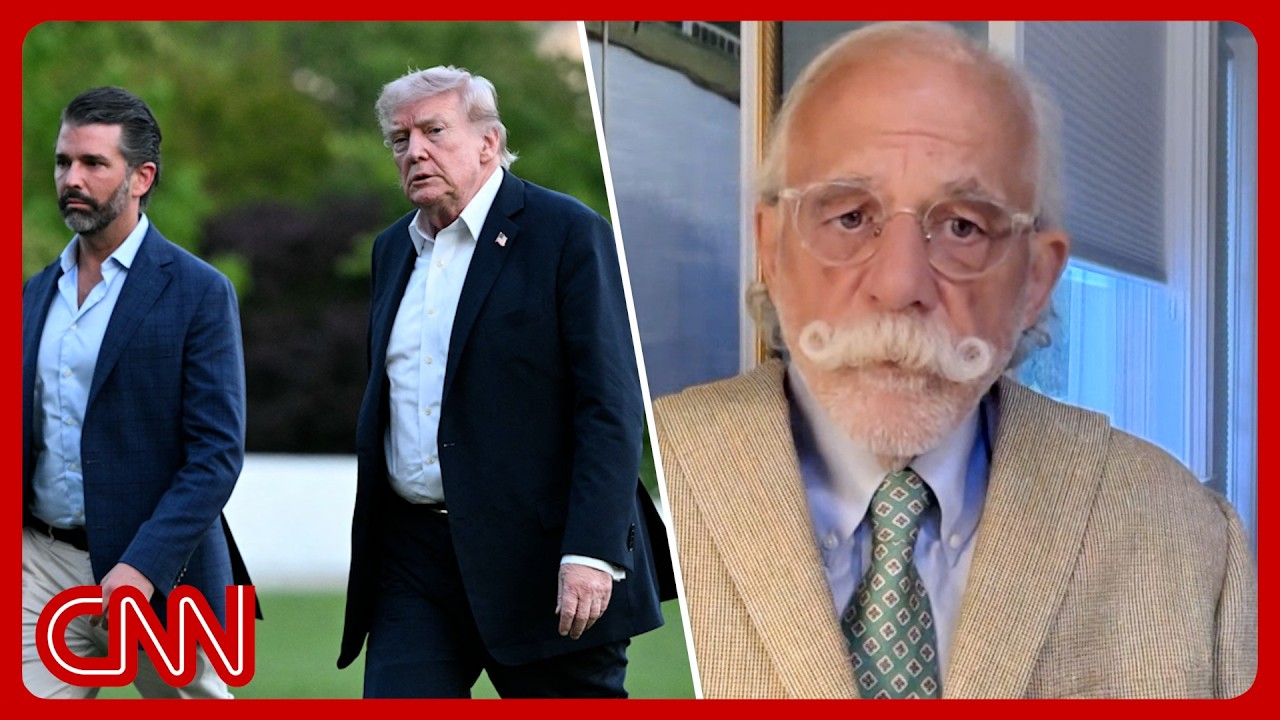
As illustrated by economic analyst Steve Rattner, there exists a sharp dichotomy between Trump’s financial windfall and the losses accrued by investors in the cryptocurrency sphere. Rattner’s analysis visually depicts the family’s increasing wealth in blue, juxtaposed with the staggering losses of investors in red. The results are telling: while Trump’s family stands to gain billions from crypto, the average investor has seen their fortunes evaporate, losing upwards of $2 billion.
Ty Cobb, a former White House lawyer under Trump, voiced his concerns regarding the ethical dimensions of such financial growth. "What we are witnessing is staggering," Cobb stated, juxtaposing the scale of Trump’s gains with the financial plight of everyday investors. He questioned whether such a dynamic was anticipated by the U.S. Constitution’s Emoluments Clause, especially in light of the substantial income derived from commemorative coins, which many argue exploit Trump’s image and likeness for profit.
A Slimy Industry?
Cobb described the crypto industry as “slimy," pointing to the myriad ways in which Trump has promoted and supported it, often through policy executive orders, raising questions about the legality of such entanglements. The intersection of personal wealth accumulation and public policy raises ethical alarms that cannot be understated. Critics argue that this relationship compromises the integrity of financial governance, even suggesting a historical precedent for corruption.
The Broader Implications
As the scope of Trump’s financial dealings becomes clearer, a pattern emerges that some describe as unprecedented in American politics. The potential for corruption has attracted scrutiny from various quarters, with some experts likening the current situation to the ethical lapses that emerged during other controversial administrations. A New York Post editorial even cautioned that Trump’s financial maneuverings are akin to “Hunter Biden-style sleaze.” The implications of such critiques highlight serious ethical questions about the conduct of both the Trump family and their counterparts.
Among the numerous problematic dealings is a reported billion-dollar mining contract between the Trump family and Kazakhstan. This deal, coupled with the revelation that more than a dozen companies linked to Trump and other prominent individuals in government have financial ties to critical mining deals, raises red flags. Investigative reporting reveals a troubling intertwining of private financial interests with public policy, an intersection that illuminates the complexities of corporate influence over government decisions.
Legal Protections and Limitations
Despite the uncertainties surrounding these dealings, legal experts note that many aspects may not necessarily be illegal. Trump’s sons claim they have played no active role in the management of these lucrative deals, describing themselves as passive investors. However, the reality remains that they stand to profit enormously, which further complicates the ethical landscape.
While regulatory oversight appears limited, the Constitution delineates potential avenues for accountability. Bribery, which is explicitly mentioned as an impeachable offense, is a significant concern given the financial flows from various countries seeking influence. However, investigations may be stalled, as the current political landscape may offer little room for accountability.
Conclusion
As the disclosure of Trump’s financial dealings continues to unfold, the broader implications for governance, ethics, and legal accountability become increasingly pressing. With substantial wealth amassed from controversial ventures, the discussions surrounding Trump’s financial ethics will likely resonate beyond the immediate shock value, sparking conversations about the nature of power and wealth in American politics. The intersection of entrepreneurship, governance, and ethics creates a complicated web that warrants closer scrutiny as we observe the evolving landscape of American political and financial frameworks.