Preparing for the Future: The UK’s Strategic Defense Investment
In a bold move, the UK government has unveiled a multi-billion-dollar defense spending plan aimed at modernizing its armed forces in line with the evolving landscape of warfare. Prime Minister Rishi Sunak has publicly acknowledged that the military has suffered from significant underinvestment over the years. This has led to a situation described by many as the "hollowing out" of the armed forces, a term highlighting growing concerns over the UK’s readiness to confront increasingly complex global threats.
The urgency behind this investment arises from a collective consensus among military leaders and policymakers. There is a palpable fear that Europe must prepare itself to potentially engage Russian forces within the next five years. This dramatically alters the perception of what is deemed a credible threat.
Lessons from Recent Conflicts
Two recent conflicts—the war in Ukraine and tensions with Iran—have served as critical case studies for military strategists worldwide. They have highlighted the transforming role of technology, particularly artificial intelligence and drones, in modern warfare. The relevance of these technologies cannot be overstated, as they have dramatically shifted the dynamics of engagement.
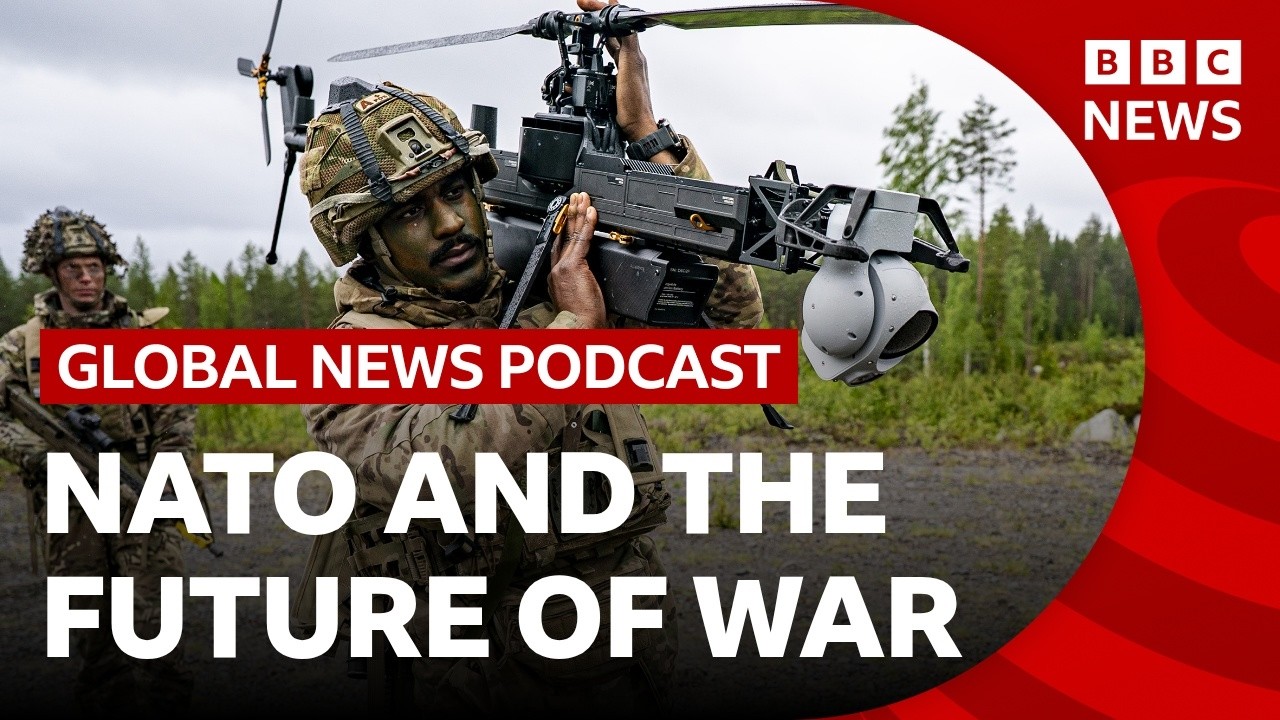
Drones, whether small and affordable or large and sophisticated, have demonstrated their utility on the battlefield. They’ve reshaped not just the tactics of warfare but the overall strategic approach of military planning. The aspiration for the UK’s new military vision is to integrate these unmanned systems with traditional military platforms, creating a hybrid force capable of operating seamlessly across land, air, and sea.
However, skepticism looms large over the ambitious proposals. Critics worry that while some technologies are tested and proven, the reliance on advanced systems might come at the cost of sidelining conventional military strategies.
NATO’s Response to Evolving Threats
Looking beyond the UK, NATO’s preparedness for this new era of warfare raises additional concerns. Some military leaders suggest that Russian President Vladimir Putin miscalculated the resolve of Western nations, mistakenly believing they would not mount a significant response. The consequences of his misjudgment have reverberated across Europe, especially among Eastern European NATO members like Poland and the Baltics, who have rapidly ramped up their defense spending.
In these regions, the Russian threat feels immediate and pressing. However, the further one moves from Eastern Europe, the more this threat seems abstract to the general public. In the UK, for instance, discussions about defense often clash with pressing domestic concerns like the rising cost of living, leaving many citizens disinterested in perceiving the potential dangers posed by distant adversaries.
The Financial Commitment
NATO countries are collectively responding to these challenges, with all members now meeting the 2% GDP target for defense spending, previously established as a benchmark. This shift illustrates an emerging consensus on the necessity for Europe to assume greater responsibility for its own security. Countries like Poland have surpassed the target significantly, while others lag behind, raising questions about commitment and urgency.
Given the geopolitical landscape, former U.S. President Donald Trump’s insistence on higher defense spending has inadvertently sparked a broader dialogue in Europe about self-reliance in security matters. As discussions evolve, European nations are contemplating a future where they might have to organize and fund defense measures more independently.
Countering Diverse Threats
In this climate of uncertainty, the preparation by NATO appears less as a forecast of inevitable conflict and more as a strategy for deterrence. Attention has turned to a range of potential threats, be it conventional military actions or more insidious hybrid threats such as cyber warfare and sabotage.
The situation in North Korea, though not at the forefront, reminds the world that dangers extend beyond Europe. With ballistic missiles potentially capable of reaching the American mainland, dual-focus is necessary for military strategists: deterring traditional aggression while mitigating hybrid threats.
As NATO prepares for an unpredictable future, the focus remains on ensuring readiness against sophisticated technological threats while retaining the capacity for conventional deterrence. The strategies that emerge will shape not just military doctrine but the security landscape for years to come. In a world of shifting allegiances and evolving threats, adaptability might be the most crucial asset of all.