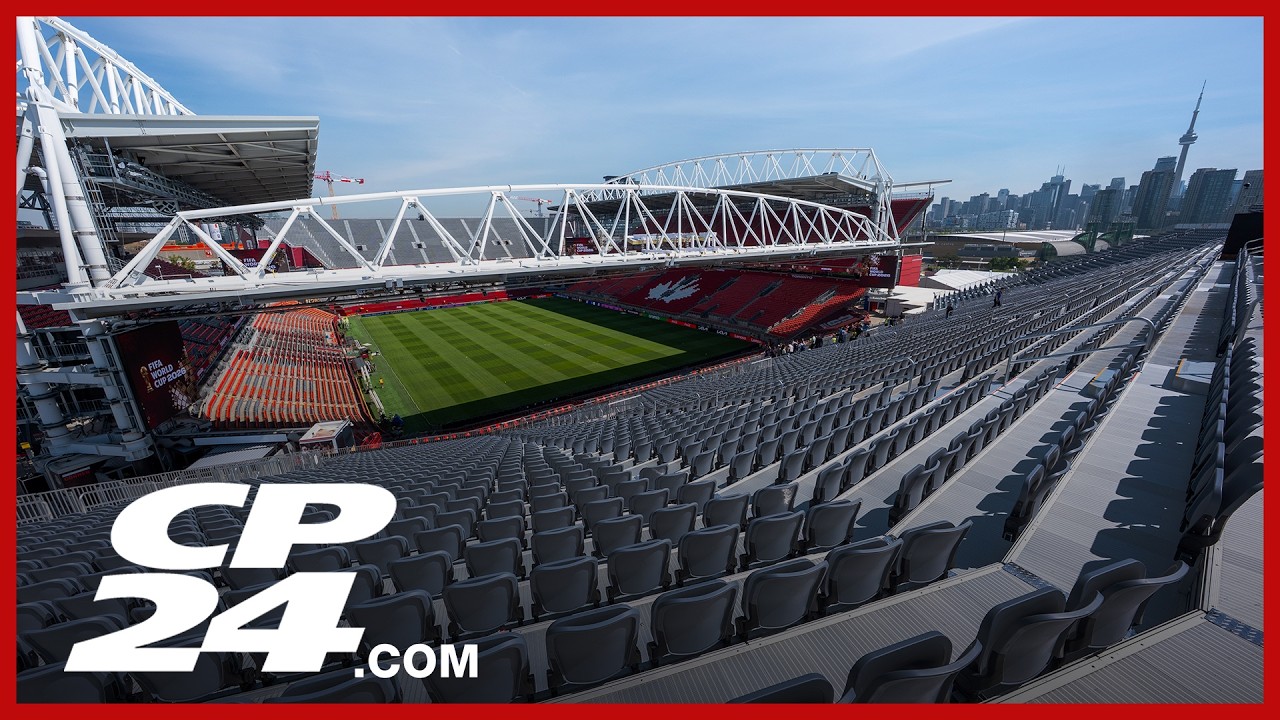
Toronto Stadium: A Mega Venue for the World Cup
Toronto’s stadium, commonly known as Field, is primed to showcase one of the world’s premier sporting events— the World Cup. Anticipation fills the air as players prepare to step onto the pitch, and behind-the-scenes modifications set the stage for a historic gathering. This transformation results from two years of significant investment, both in financial and infrastructural terms.
The city of Toronto has invested over $132 million in creating a top-tier venue. Alongside Maple Leaf Sports and Entertainment (MLSE), which contributed an additional $25 million, the total expenditure reaches an impressive $157.9 million. These improvements are not merely aesthetic; they were mandated by FIFA to ensure an optimal experience for players and fans alike. Among the essential upgrades are six additional lockers in the players’ changing rooms, bringing the total to 26, along with high-definition LED video boards installed in each corner of the stadium, and modernized audio and technology systems.
One crucial aspect of the preparations is the installation of new turf. Unlike many stadiums hosting the World Cup, Toronto’s venue features natural grass, an element that caught FIFA’s attention years ago. Stephanie Jones from MLSE revealed that the grass was cultivated in a greenhouse by Green Horizons and laid down on-site in late 2025, stitched together carefully to meet FIFA’s rigorous standards.
Beyond the playing surface, enhancements extend to spectator experience. New hospitality suites and restroom facilities have been introduced, while the overall stadium lighting has been revamped to comply with FIFA’s broadcasting requirements. Perhaps most notably, 17,000 temporary seats have been added to meet the minimum capacity for group-stage events, increasing the venue’s total capacity to over 45,000. This adjustment was a significant undertaking aimed at accommodating the influx of fans.
However, with considerable financial investment comes the pressing question—was it worth it? What is the projected return on this extensive outlay? Cheri Bradish, the director of the Future of Sport Lab at Toronto Metropolitan University, suggests that these infrastructural upgrades will facilitate future bids to host major events. Toronto aims to solidify its reputation as a city capable of hosting large-scale, revenue-generating activities.
Bradish emphasizes the importance of a long-term legacy. Investments made in the stadium and related facilities could foster a sports culture across Canada, particularly in soccer. Enhanced video boards, lighting, and audio systems, she insists, will improve both the fan experience and broadcasting quality long after the World Cup concludes.
Despite the focus on temporary structures, these upgrades are not merely short-term fixes. They’re part of a strategic plan to advance Toronto’s stance as a significant player in the global sports arena. The city’s decision to utilize temporary seating meets current demand without overcommitting resources for a stadium not fully utilized outside of major events.
A major test occurred shortly before the World Cup when Toronto Football Club (TFC) hosted Inter Miami. With a sellout crowd of 44,828—17,000 of whom occupied the new grandstands—the event served not just as a dry run for the upcoming tournament but also as a showcase of the economic benefits such events could yield. Despite some initial issues with crowd movement, the experience helped fine-tune operational strategies ahead of the World Cup.
In a statement, MLSE acknowledged the need for ongoing improvements in spectator flow and concourse management, hinting that final project costs would be available once the city finalizes its review. This adaptability demonstrates a commitment to enhancing the overall experience for fans, players, and broadcast audiences.
As Toronto gears up for one of the most significant sporting events on the global calendar, the preparations reflect both a strong commitment to world-class infrastructure and a vision for an enduring legacy. The investments made and the enhancements undertaken will undoubtedly contribute to elevating Toronto’s profile as a premier host city, not only for soccer but for various global sporting events in the years to come.