The Rise of Natalie Harp: A Closer Look at Trump’s Devoted Aide
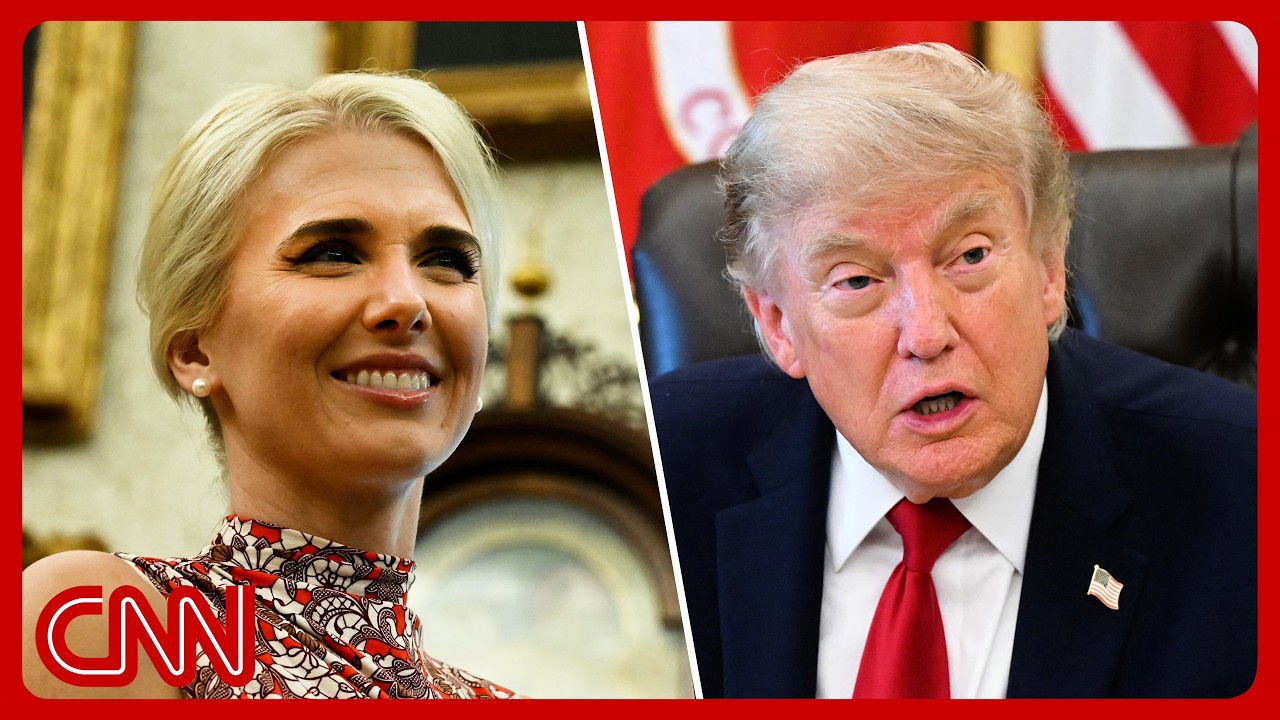
In recent discussions about the dynamics within the Trump administration, one name has emerged as particularly noteworthy: Natalie Harp. Serving as a special executive assistant to President Donald Trump, Harp has garnered significant attention, especially following revelations from the book Regime Change by Maggie Haberman and Jonathan Swan.
At just 34 years old, Harp’s ascent to one of Trump’s closest personal aides is striking. Having previously hosted shows for the far-right network One America News, she found herself in proximity to Trump during a deeply personal crisis: her battle with stage 2 bone cancer. In 2019, she credited Trump for signing the Right to Try Act, which she claims enabled her to receive experimental treatments. "I’m not dying from cancer anymore," she stated, emphasizing her gratitude towards the president.
Harp’s relationship with Trump appears to transcend the typical employer-employee dynamic. Reports indicate that Trump told his staff that she was the only one who loved him as much as his wife and children. This sentiment, while perhaps endearing to Trump, raises questions about the nature of loyalty within the White House. Harp has become known for her unwavering support; her portable printer, a unique tool she often carries, has led to her nickname as the "human printer." In this role, she dutifully provides Trump with stacks of positive press and information, often on short notice: "Natalie, get me this," he is quoted as saying, illustrating the direct line of communication they share.
Interestingly, Harp’s devotion is expressed not just through her actions but also through intimate letters she leaves for Trump. These letters, described as "odd" and "adoring," reportedly include declarations such as "You are all that matters to me." Such expressions of loyalty are not commonplace in professional settings, leading some, including Trump’s chief of staff Susie Wilds, to question the boundaries of their relationship. It’s pointed out that during the campaign, the Secret Service raised eyebrows at her letters left in Trump’s private quarters, signaling possible concerns about security and professional decorum.
The impact of Harp’s presence extends beyond personal affection; she has played a vital role in shaping the information landscape surrounding Trump. As he frequently engages with social media, Harp has taken on responsibilities related to his Truth Social posts. Reports indicate that her approach often frustrates other White House officials, as she typically does not collaborate with the communications team or national security staff. Rather, her focus remains solely on Trump, leading to an insular information environment that lacks diverse perspectives.
The implications of such loyalty cannot be understated. A recent analysis of Trump’s interactions reveals an alarming trend: he often favors information that aligns with his beliefs, seeking out numbers and data that validate his viewpoints. This need for affirmation, coupled with Harp’s selective presentation of information, raises concerns about decision-making processes within the administration. As the political landscape changes rapidly, the danger of surrounding oneself with unchallenged voices becomes increasingly pronounced.
Harp’s position exemplifies a broader pattern in Trump’s second term. As he seeks out individuals who offer unyielding loyalty, an absence of dissenting opinions may lead to misguided or risky decisions. Critics argue that this creates an echo chamber detrimental not only to the decision-making process but also to the overall governance of the nation. The striking example of a "human printer" conveys a concerning reality: the White House environment is increasingly geared toward reinforcing Trump’s beliefs rather than questioning them.
As we continue to observe the inner workings of this administration, Natalie Harp’s unique role will undoubtedly remain a focal point. Her unwavering devotion to Trump signifies a complex blend of personal loyalty and political strategy. In a time when the nation craves transparent and robust leadership, the implications of such a relationship extend beyond personal dynamics and into the fabric of governance itself. The need for diverse perspectives has never been more critical, and it remains to be seen how this administration will navigate the challenges posed by an increasingly insular advisory circle.