Exploring the Potential US-Iran Peace Plan: Implications and Reactions
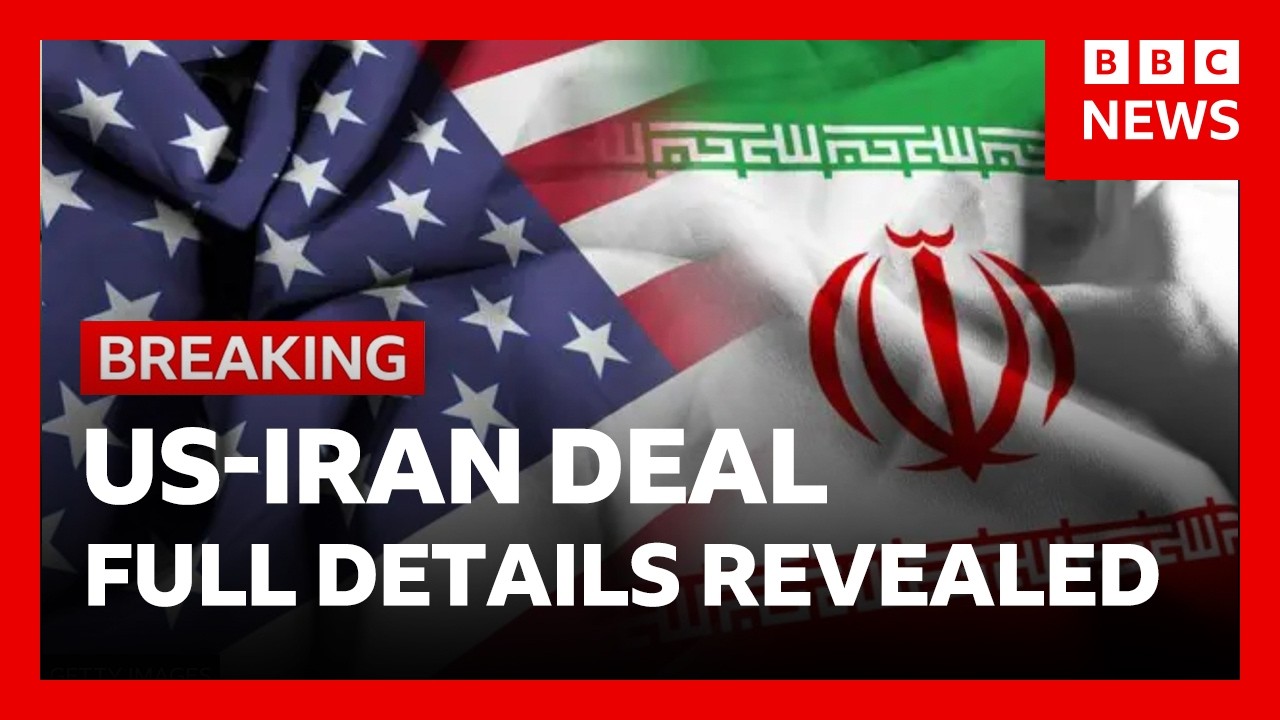
Recent revelations about a proposed peace plan between the United States and Iran have generated significant interest and debate in international diplomatic circles. Announced by former President Donald Trump, this 14-point memorandum of understanding aims to cease hostilities for a minimum of 60 days while more comprehensive agreements are developed. The implications of this plan are complex and wide-ranging, affecting not only US-Iran relations but also regional dynamics in the Middle East.
Key Elements of the Memorandum
One of the cornerstone provisions is the cessation of all hostilities, extending even to conflicts in Lebanon. Trump asserted that the plan would involve the immediate suspension of the US naval blockade of Iran within 30 days, coinciding with a toll-free reopening of the critical Strait of Hormuz. This strategic waterway has been the focal point of heightened tensions and economic disruption, marked by confrontations involving Iranian drones and US warships.
Further, the United States would start lifting sanctions and unfreezing Iranian assets held overseas. Perhaps most controversially, the plan includes the establishment of a $300 billion reconstruction fund, though details about its financing remain ambiguous. In return, Iran would commit to halting the development of nuclear weapons, aligning with one of Trump’s principal foreign policy objectives. However, the memorandum notably omits discussions regarding Iran’s ballistic missile program and its support for regional proxies such as Hezbollah, issues that remain sensitive for US allies in the region.
Diplomatic Context
As Trump showcased this peace initiative during discussions at the G7 summit in France, the atmosphere was one of cautious optimism mingled with skepticism. Leaders from allied nations expressed relief at the prospect of a diplomatic resolution but craved clarity on the specifics of the deal. Trump’s previous engagement with the Iranian regime had often been characterized by aggression, leading many to question the durability of any agreement forged under such turbulent conditions.
The setting for Trump’s announcement—the lavish Palace of Versailles—highlighted the theatrical flair he often brings to diplomacy. Conversations at the summit frequently circled back to the implications of US-Iran relations, and while other substantive agreements were reached, they appeared sidelined by conversations dominated by Trump’s focus on Iran.
Domestic and International Reactions
In Washington, reactions to the proposed deal are varied, reflecting a broad spectrum of political opinion. While some see the potential for a new chapter in US-Iran relations, others express concerns about the concessions being made. The unblocking of the Strait of Hormuz is viewed as a crucial step for global trade, but questions linger regarding its enforcement once the initial 60-day period expires.
Iran’s own posturing suggests a potential shift, with officials hinting at the possibility of implementing charges for the passage through the Strait after the initial phase. This introduces an element of uncertainty, complicating the diplomatic landscape even further. Alongside this, the intricacies involved in down-blending enriched nuclear materials, overseen by international monitors, are challenges that remain open for negotiation.
Concerns from Israel
Among the most significant stakeholders is Israel, whose Prime Minister Benjamin Netanyahu has publicly criticized the concessions to Iran. His government has expressed unease about the implications of removing pressure from Iran’s military actions in Lebanon, particularly concerning Hezbollah. Netanyahu finds himself in a precarious position, caught between pressure from Trump and his domestic political reality. Concerns are mounting in Israel regarding the potential for a strengthened Iranian influence, jeopardizing their national security.
The coming days will see intense scrutiny of the text of the memorandum, with analysts probing its implications for not only US-Iran relations but also the broader geopolitical fabric of the Middle East. The potential for either diplomatic triumph or major miscalculation looms large, as the world watches closely.
In conclusion, the proposed US-Iran peace plan signifies a pivotal moment in a long and fraught history. While there are glimmers of hope for de-escalation and cooperation, significant challenges remain. The responses from key players, particularly Israel, will be crucial in shaping the outcome of these negotiations and determining the future of Middle Eastern stability.