Court of Appeal Revisits Sentencing in High-Profile Rape Case
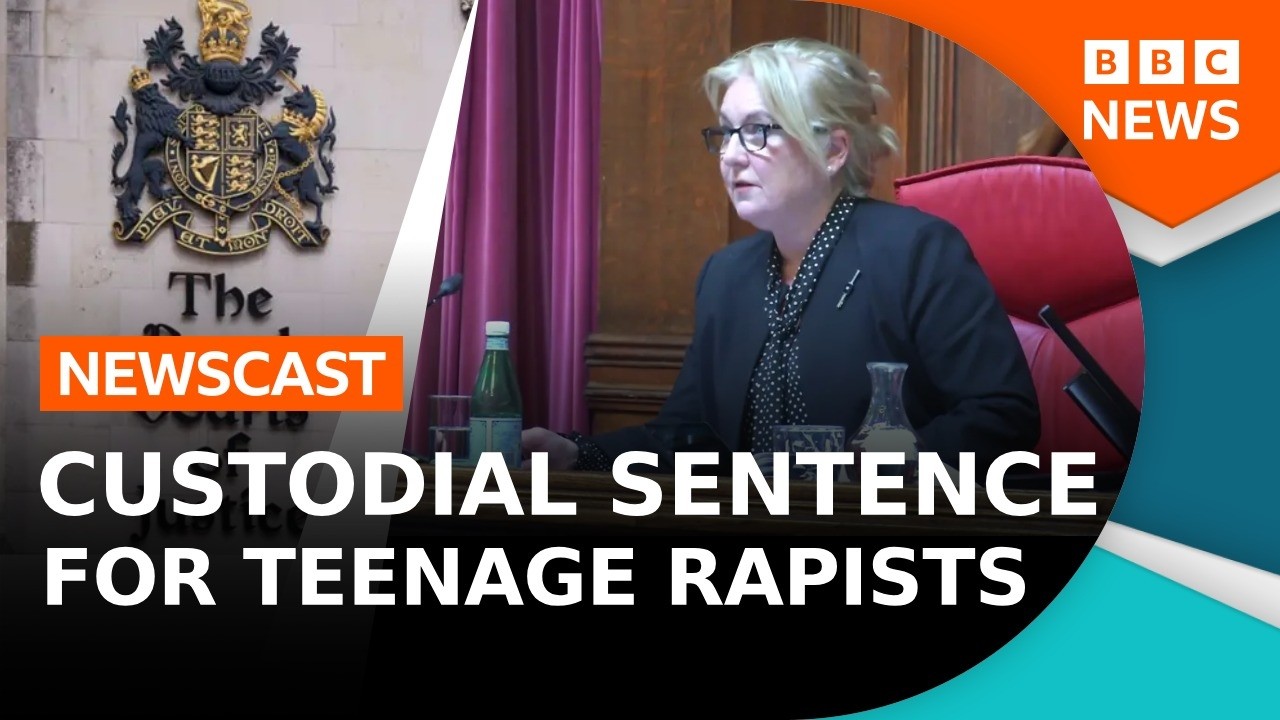
In a significant legal development, the Court of Appeal in London has determined that two teenage boys, convicted of raping two girls in Hampshire, should serve four years in youth detention. This decision follows a comprehensive review of their initial sentencing, which had controversially involved community youth rehabilitation orders. The ruling has spurred extensive public and political reactions, highlighting the societal tensions surrounding youth crime and victim justice.
The heinous acts transpired between late 2024 and early 2025, sparking national outrage when the boys received non-custodial sentences. Such a response is understandable given the gravity of the offenses involved—especially the psychological toll inflicted on the young victims, who remain anonymous due to legal protections. Following the initial sentences, public sentiment shifted dramatically. Criticism emerged from multiple quarters, including representatives of the victims, who underscored the inadequacy of the judicial response.
In a powerful interview with BBC’s Laura Kuenssberg, one of the victims conveyed the emotional aftermath of her ordeal: "It took me six months to say something," she admitted. Her articulation of suffering resonated with many, stirring debates about justice and accountability. This led to the Attorney General’s intervention, prompting a review of the original sentences.
During the recent proceedings at the Court of Appeal, the Lady Chief Justice articulated the rationale behind the ruling. The boys, both aged 15, were addressed with a simplified version of the judgment due to one of their low cognitive abilities. The Lady Chief Justice emphasized the seriousness of their actions, noting that if they had been adults, a minimum sentence of ten years would have been appropriate. “What they did was, in her words, very bad,” highlighted UK Correspondent Daniel Sandford, who reported firsthand from the courtroom.
The case was marked by complexities, particularly concerning the roles of the boys involved. While two engaged in the sexual offenses, a third filmed the act, contributing to the collective culpability. The initial judge’s decision was criticized for not adequately weighing the severity of the crimes against the juvenile offenders. The appeal court judges concluded that the original sentences did not reflect the "cumulative effect" of the incidents and the sustained impact on the victims.
The mother of one of the victims expressed her perspective on the revised sentence, articulating a profound ambivalence. She stated, "No mother would say they were happy with it, but I feel much better than I did before." This sentiment embodies a broader struggle faced by victims and their families within the justice system. The mother highlighted an essential point about the nature of sentencing: consecutive sentences for multiple offenses could provide a more just reflection of the crimes committed.
Critics of the judicial system are now calling for a reevaluation of how youth offenders are sentenced, particularly in cases involving violent crimes. The complexities of balancing rehabilitation and punishment remain contentious themes within judicial discussions. Should the system prioritize rehabilitative measures, or should the severity of certain crimes lead to custodial sentences even for young offenders? The appeal ruling reinforces the view that community rehabilitation alone is insufficient in cases marked by extreme culpability.
This case serves as a critical juncture in the ongoing conversation about societal norms around youth crime and victim rights. It underscores the need for structures that both protect and provide justice for victims while also navigating the sensitivities surrounding young offenders. As the public grapples with the implications of this ruling, it remains to be seen how the justice system will adapt to the heightened scrutiny and public demand for accountability.
As the appeal court’s ruling reflects a shift towards a more robust stance on sentencing in cases of youth crime, it raises essential questions about the balance of accountability, victim advocacy, and the rehabilitation of young offenders in modern society. The repercussions of this case will likely resonate through both public discourse and legal frameworks moving forward, challenging both legislators and judicial authorities to reconsider their approach to youth crime in a way that aligns with societal expectations of justice.