Iran War Today: Day 89 of the U.S.-Israel Conflict
Hello, I’m Gita Goramouthi, and this is Iran War Today, your essential daily briefing on the ongoing U.S.-Israel war with Iran, marking its 89th day. Today, we delve into key developments influencing the geopolitical landscape, both regionally and globally.
Negotiation Stalemate
Reports from Iranian state television have suggested that an unofficial draft of a U.S.-Iran deal might involve the reopening of the Strait of Hormuz, a crucial waterway for global oil trade. According to this proposal, Iran would restore commercial shipping to pre-war levels within a month, while the U.S. military would withdraw from nearby waters and lift its blockade. However, the White House has categorically dismissed these claims as fabrication.
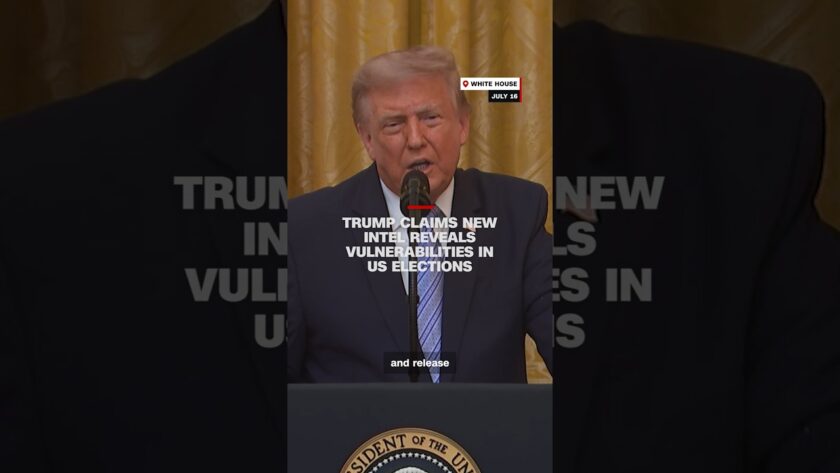
President Trump has reiterated his stance in a cabinet meeting, indicating that negotiations are far from conclusive. “They’re negotiating on fumes,” he stated, emphasizing a sense of urgency about reaching a decision, yet maintaining that no deal is in place. While the President conveyed an interest in diplomacy, he did not shy away from the mention of military options if negotiations falter: “Maybe we have to go back and finish the job.”
Secretary of State Marco Rubio echoed Trump’s sentiments, articulating that diplomacy is the preferred route. He mentioned ongoing engagement through various channels, including negotiators such as Jared Kushner and Vice President Mike Pence. However, the dialogue remains fraught, especially regarding control over the Strait of Hormuz, which Iran claims sovereignty over and wishes to control alongside Oman.
Increased Military Action in Lebanon
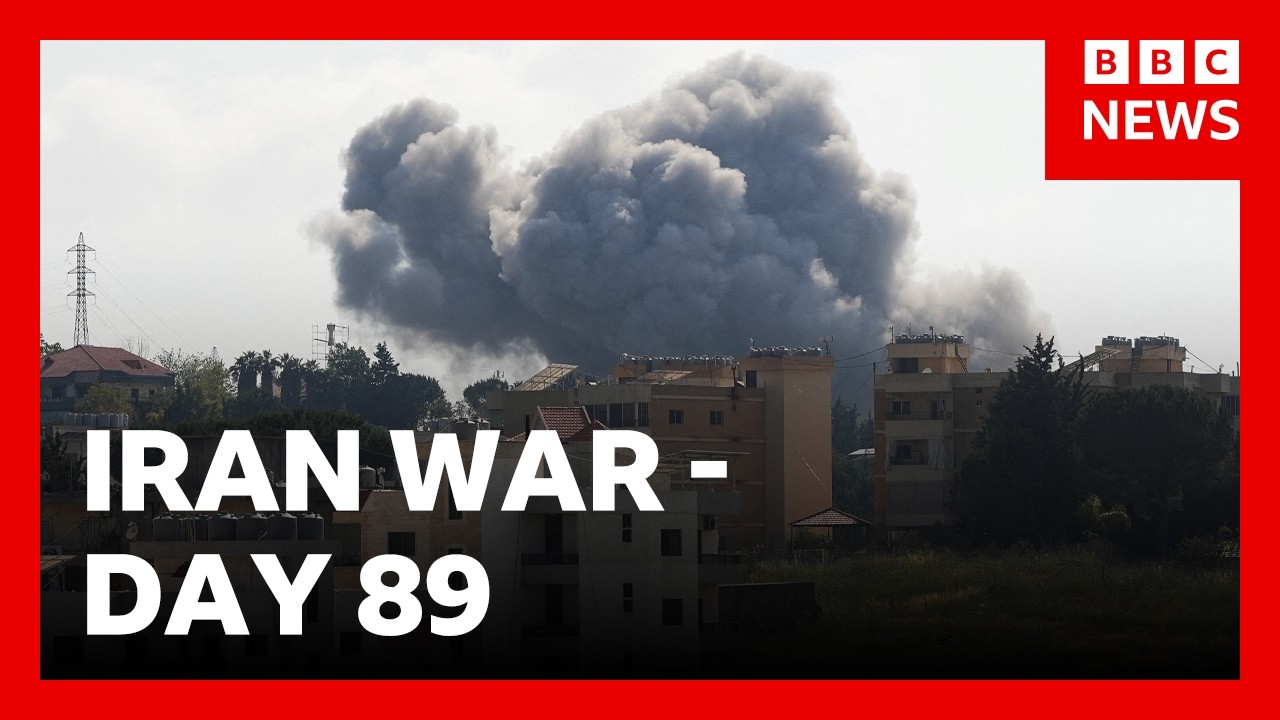
Parallel to the discussions with Iran, the situation in Lebanon has intensified, as Israel carries out an aggressive campaign of air strikes in the southern regions targeting Hezbollah command centers. The Israeli Defense Forces (IDF) have issued evacuation orders for residents in affected areas, reflecting the escalatory nature of the conflict. This wave of strikes comes in response to alleged drone attacks from the Iranian-backed group Hezbollah, which continues to provoke military action from Israel. Reports confirm that military engagement has escalated, leading to increased tensions along a historically volatile border.
Economic Ramifications
As the conflict drags on, the economic fallout grows evident across the globe. In the UK, energy bills are set to rise by 13% in July due to skyrocketing gas prices attributed to the ongoing war. This translates to an annual increase of £221 for the average household. The situation is mirrored in India, where fuel prices have surged, reflecting the broader impacts of instability in oil supply chains flowing through the Strait of Hormuz.
Notably, Total Energies in France has announced a capping of fuel prices, further highlighting the rippling effects the conflict is wreaking on energy sectors worldwide. Analysts are already cautioning that these price hikes may persist into the colder months, compounding existing inflationary pressures on households.
Internet Restrictions in Iran
In a related development, the internet in Iran has seen a partial restoration following a three-month blackout, allowing citizens to reconnect with the outside world. However, this renewed access comes with stringent restrictions, limiting numerous services and applications. Many Iranians are celebrating the improved connectivity, though concerns remain about ongoing censorship, hampering online businesses and communication.
Local students expressed hope that the lifting of internet restrictions could breathe new life into their entrepreneurial ventures, but they cautioned that without resolving underlying issues of censorship, the path to stability remains precarious.
Conclusion
As we stand on day 89 of this conflict, the intricate web of negotiations, military action, economic ramifications, and internal pressures continues to unfold. The situation remains fluid and complex, with significant implications not only for the region but for global stability at large. Join us tomorrow for continued coverage and analysis on the unfolding crisis in Iran and its implications for the world stage.