A New Chapter: The US-Iran Agreement and Its Implications for Regional Stability
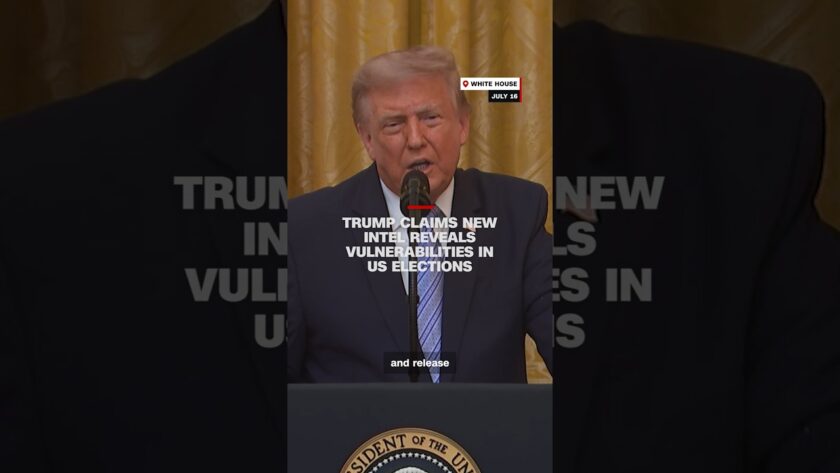
In a remarkable development, an initial agreement has been reached between the United States and Iran after almost four months of escalating tensions. Signed by President Donald Trump and Iranian President Massud Peshkan during a high-stakes meeting, this deal marks a significant diplomatic shift that could potentially reshape Middle Eastern geopolitics.
Under the terms of the agreement, all military operations are to cease. This includes operations in Lebanon, where Israeli forces have recently engaged the pro-Iranian militia group Hezbollah. A notable aspect of this accord is the end of the U.S. naval blockade alongside Iran’s commitment to reopen the strategic Strait of Hormuz, a vital maritime passage for global oil shipments.
As part of the agreement, a $300 billion reconstruction fund for Iran will be established. This fund presents an opportunity for Iran to revitalize its economy, which has been stifled under years of sanctions. Moreover, Iran will gain access to previously frozen financial assets held abroad, providing a much-needed influx of funds. Importantly, the agreement also sees Iran commit to refraining from the development or procurement of nuclear weapons, a contentious issue that has long fueled global tensions.
However, it is crucial to note that this arrangement is positioned as an interim deal. The landscape is fraught with challenges, and the path forward is laden with uncertainties. To gain insight into the implications of this agreement, we turn to Jeremy Bone, our international editor, who sheds light on the potential repercussions and ongoing discussions.
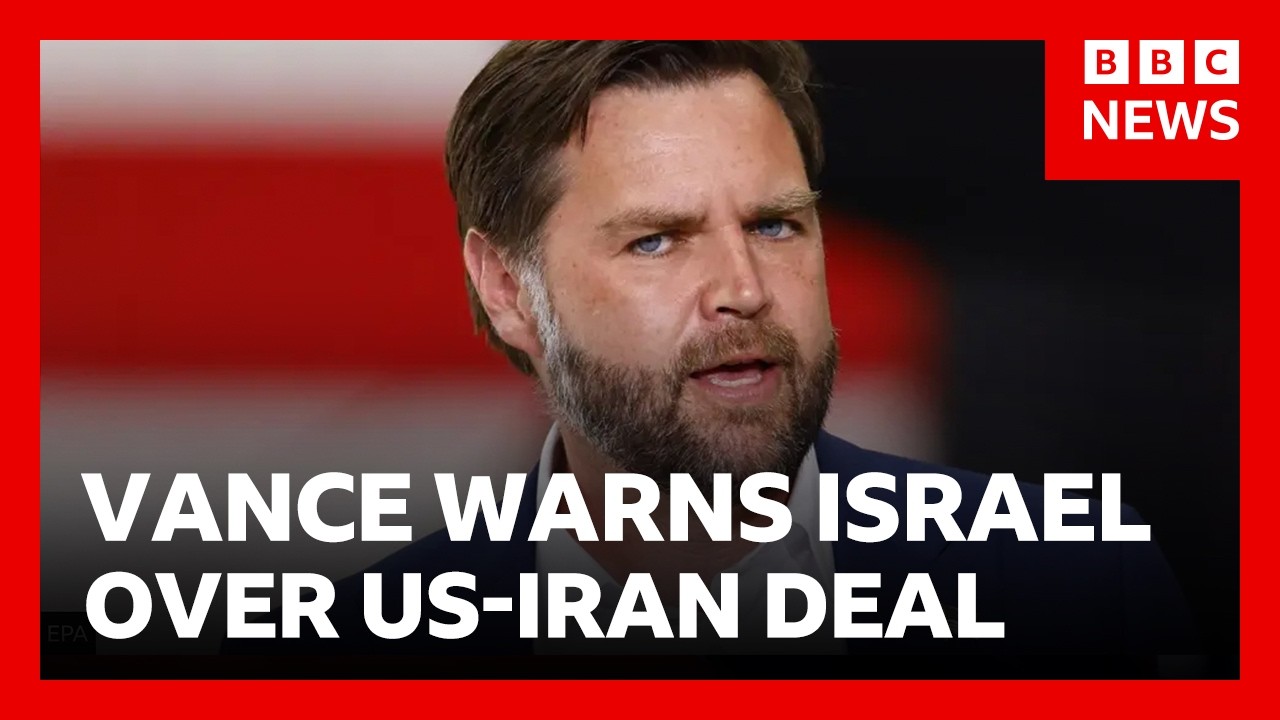
Recent remarks from U.S. Vice President JD Vance have stirred considerable conversation, particularly among Israeli hardliners. He emphasized the futility of resolving national security issues through military might alone. Vance’s view directly addresses criticism from members of Prime Minister Netanyahu’s cabinet, who have vocally opposed the emerging agreement. His assertion that President Trump stands as the only global leader currently sympathetic to Israel underscores the growing distance between U.S. and Israeli interests.
This rift highlights one of the fundamental tensions surrounding the new agreement: the war in Lebanon. A specific clause in the memorandum insists on a ceasefire that includes Lebanon, pressuring Israel to halt attacks on Hezbollah. Despite this, Israeli officials assert that continuing military operations are vital for national security. This conflicting stance poses a significant threat to the viability of the agreement, as escalating hostilities could unravel the fragile consensus reached thus far.
As negotiations advance, other potential spoilers loom on all sides. Hardliners in both Iran and the United States are likely to resist any changes that could jeopardize their respective agendas. The internal dynamics within Iranian leadership, as well as within U.S. political circles, could contribute to a destabilizing atmosphere. As history has shown, sudden shifts and unanticipated actions can disrupt even the most carefully negotiated agreements.
In summary, the preliminary accord between the U.S. and Iran offers a glimmer of hope for regional stability, but the complexities involved cannot be underestimated. With numerous stakeholders invested in the outcome, the coming weeks and months will be critical. The potential for future negotiations is immense, but the myriad challenges ahead must be acknowledged.
Conversations surrounding the agreement will undoubtedly intensify, particularly as the regional landscape evolves. The delicate dance of diplomacy requires not only careful navigation through current tensions but also foresight to anticipate and mitigate future conflicts. It is indeed the beginning of a new chapter, one that holds the promise of peace, yet demands vigilance and strategic engagement from all parties involved.