Escalation in the US-Israel-Iran Conflict: Key Developments and Implications
Hello, I’m Christian Fraser. Welcome to this briefing on the ongoing conflict involving the United States, Israel, and Iran. As of today—the 103rd day of hostilities—significant escalations have occurred, prompting urgent discussions about the future of diplomacy in the region.
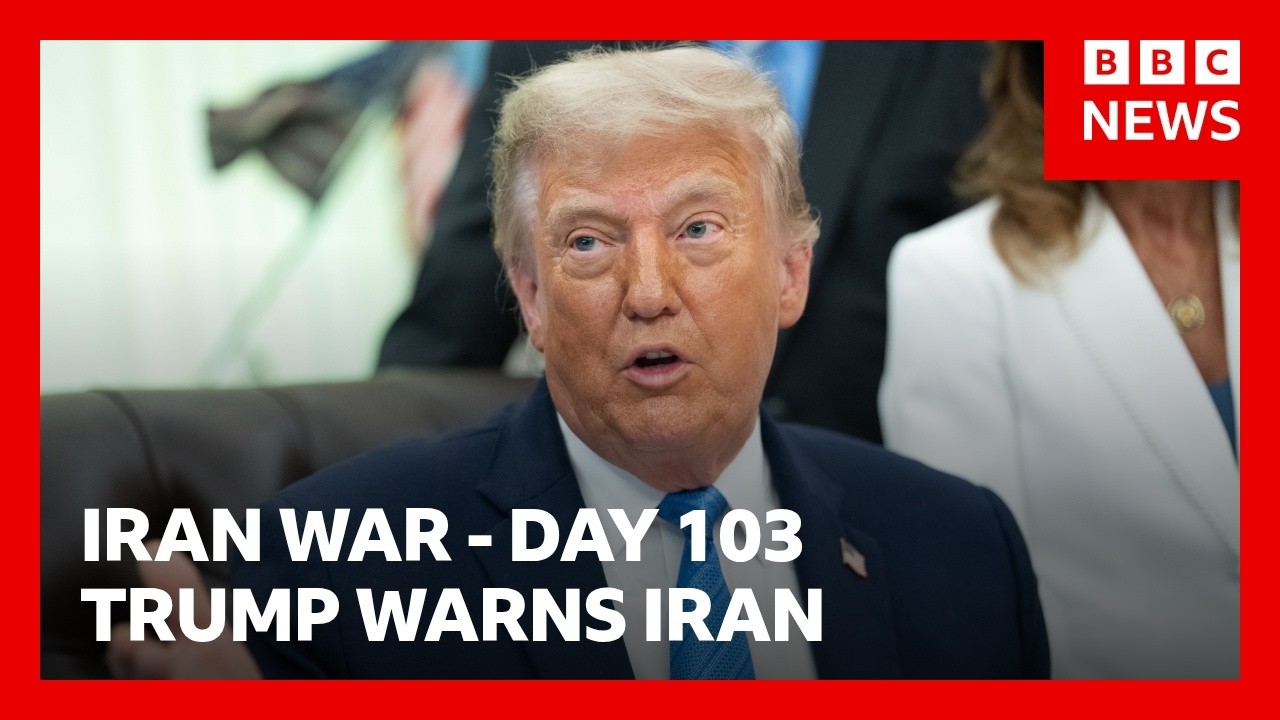
Former President Donald Trump announced that the United States would conduct further airstrikes against Iran today. This declaration follows a series of retaliatory actions, including an assault on more than 20 targets in Iran overnight, which was a direct response to the downing of a US military helicopter over the Strait of Hormuz. The escalating tensions are palpable, with each side launching attacks amidst accusations of negotiation intransigence.
The US military claims it targeted key Iranian air defense systems and ground control stations. In retaliation, Iranian forces struck 21 US bases across the Middle East, although there is ambiguity surrounding the effectiveness of these missile strikes. The fragility of the situation warrants close scrutiny. Trump has indicated that Iran has exploited the US’s willingness to negotiate: "They keep playing us for suckers," he remarked, insinuating that Tehran’s delays are unacceptable.
The ongoing uncertainty raises questions about the status of the memorandum of understanding that both sides reportedly continue to discuss. Tom Baitman, our State Department correspondent, provides insight into the broader dynamics at play. He observes that ongoing talks, albeit fraught with accusations of shifting positions from both the US and Iranian sides, remain crucial. A delegation from Qatar has engaged with Iran, focusing on key Iranian demands for sanctions relief and the unfreezing of significant oil revenues.
Meanwhile, President Macron of France is set to host a G7 meeting where discussions about the Iranian crisis will take center stage. The presence of Gulf leaders highlights the regional implications of the ongoing conflict, especially as rising oil prices trigger economic distress across the Middle East.
Reports from southern Lebanon add another layer of complexity to the situation. Israeli strikes continue against Hezbollah targets, contributing to rising casualties. Lebanese officials estimate that 29 people were killed from these actions, while the UN has announced an investigation into potential human rights violations committed by all sides. It is crucial to recognize how these hostilities complicate diplomatic negotiations.
Back in Iran, the domestic landscape remains tense. The economic crisis, exacerbated by sanctions, is leading to widespread discontent. Ordinary Iranians are struggling significantly, with soaring costs of living and stagnant wages becoming a daily reality. Many report delays in receiving salaries, a grim testament to the economic fallout triggered by international sanctions.
Kazaran Naji, our correspondent, describes a palpable sense of frustration among the Iranian populace. While protests haven’t yet erupted, the potential for unrest looms. Economic grievances are intensifying, and it is conceivable that existing frustrations could result in civil discontent if the economic situation continues to deteriorate.
As both sides engage in this dangerous game of brinkmanship, the precarious balance of power in the region hangs in the balance. Regions like the Strait of Hormuz have become flashpoints, critical for global oil transport and increasingly vulnerable to military actions. The blockade imposed by the US is reportedly costing the Iranian economy an estimated $500 million each day, a staggering figure that only compounds the urgency for both negotiation and resolution.
Looking ahead, the upcoming G7 discussions may provide a platform for re-alignment of strategies and alliances. With Trump seeking to leverage the Gulf states’ concerns over Iranian aggression, the next few weeks will be pivotal.
The Iranian leadership’s resolve appears steadfast for now, even in the face of mounting economic pressures. The unequivocal demands being placed on Iran by the US—such as the cessation of its nuclear program and the opening of the Strait of Hormuz—create a deeply complex negotiation environment.
In summary, the days ahead will be critical in determining whether diplomatic avenues can emerge from the current conflict. As we continue to monitor these developments, the stakes remain extraordinarily high for all parties involved. The future stability of the region may depend on the decisions made in the coming days. Thank you for joining us in this edition of the Iran War Today. We’ll be back with more updates tomorrow.