Rising Tensions: The Complex Dynamics of the Middle East Conflict
In a landscape fraught with geopolitical tensions, the Strait of Hormuz stands as a critical maritime route, crucial for global oil transportation. Recent developments highlight an escalation in hostilities following months of provocations between the United States, Israel, and Iran. As Iran retaliates against perceived aggressors through military strikes on U.S. bases and allies in the region, the prospect of a peace settlement grows increasingly elusive.
Negotiations surrounding a potential truce are further complicated by Iran’s insistence that Lebanon be included in any agreement. The ongoing Israeli military operations in southern Beirut this past week challenge the feasibility of these talks. Israel’s targeted strikes were not merely a response to actions from Hezbollah but served as a broader message to Iran and the United States. The Israeli government made it clear: their military offensive would persist despite Iranian demands tied to the reopening of critical shipping channels.
The situation in Lebanon offers a stark illustration of this emerging conflict. Recent Israeli airstrikes in southern Beirut drew a rallying response from Hezbollah supporters, showing unwavering loyalty to both the Iranian-backed militia and the Iranian government. Yellow flags, emblematic of Hezbollah, waved alongside the red, white, and green tricolor of Iran, underscoring the intricate relationship between the two entities. Supporters chant slogans pledging allegiance to their leader and commitment to their cause, emphasizing a profound ideological alignment with Iran.
However, not everyone in Lebanon shares this perspective. In fact, the conflict has stirred discontent among various demographics within the nation. Many Sunni Muslims and Christians blame Hezbollah for entangling Lebanon in broader regional disputes, particularly those involving Iran and Hamas. In communities like Batun, located north of Beirut, residents are more concerned with international events such as the World Cup than the ongoing conflict. Their collective desire is clear: to keep the strife at arm’s length.
Prominent political figures, such as Jebran Basil, have voiced concerns over Hezbollah’s allegiance to Iranian interests at the expense of Lebanon’s sovereignty. According to Basil, although Hezbollah may claim to be protecting Lebanese territory, their actions appear increasingly aligned with Iranian geostrategic goals. This has led to a profound erosion of their domestic legitimacy, alienating segments of the Lebanese population who feel caught in a deadly tug-of-war.
As one travels to southern Lebanon, the physical ramifications of the ongoing conflict become all too evident. Towns like Ty bear the scars of incessant Israeli bombardments, with residents left to navigate the grim aftermath. One local, Pal Maka, articulates the frustrations and dangers of the situation, emphasizing that civilians bear the brunt of military engagements. His testimony illustrates the tragic reality faced by people living in areas that have become frontlines in an enduring conflict.
The ongoing violence traces its origins back to the deadly skirmishes ignited by Hamas’s attack on Israel in October 2023, a moment that reignited a centuries-old dispute between Arabs and Jews. Over the last few years, rhetoric from leaders on both sides has claimed victories that appear largely unsubstantiated. The grim lessons from these protracted confrontations starkly reveal one undeniable truth: a military approach is futile.
What the region desperately needs is not another round of conflict but an innovative political discourse aimed at a sustainable resolution. However, the specter of war looms large, crowding out the possibilities for meaningful diplomacy. Meanwhile, the victims of this ongoing saga—displaced communities now living in makeshift camps—wait for international attention to address their plight.
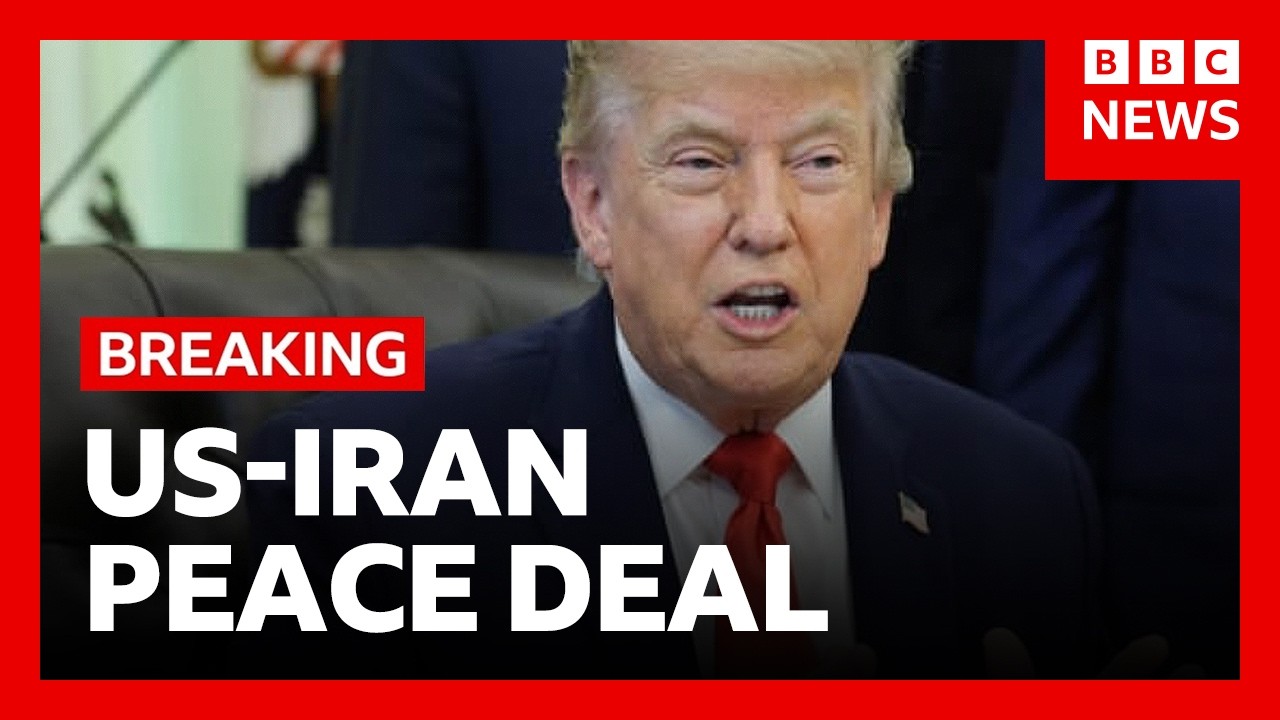
With America and Israel operating under the assumption that military might can topple the Iranian regime, it is increasingly evident that the consequences of their actions extend far beyond their immediate objectives. The Middle East finds itself at a pivotal crossroads, where the promise of peace can only materialize through sincere dialogue, rather than force.