Ukraine’s Escalating Drone Attacks: A New Phase in the War Against Russia
The ongoing war in Ukraine is entering a new chapter. Recently, Ukraine has launched a significant wave of drone attacks targeting Moscow, marking a pivotal escalation in its strategy against Russia. These attacks arrive amidst mounting setbacks for Vladimir Putin’s administration, raising questions about whether he will choose to de-escalate the conflict or dig in deeper.
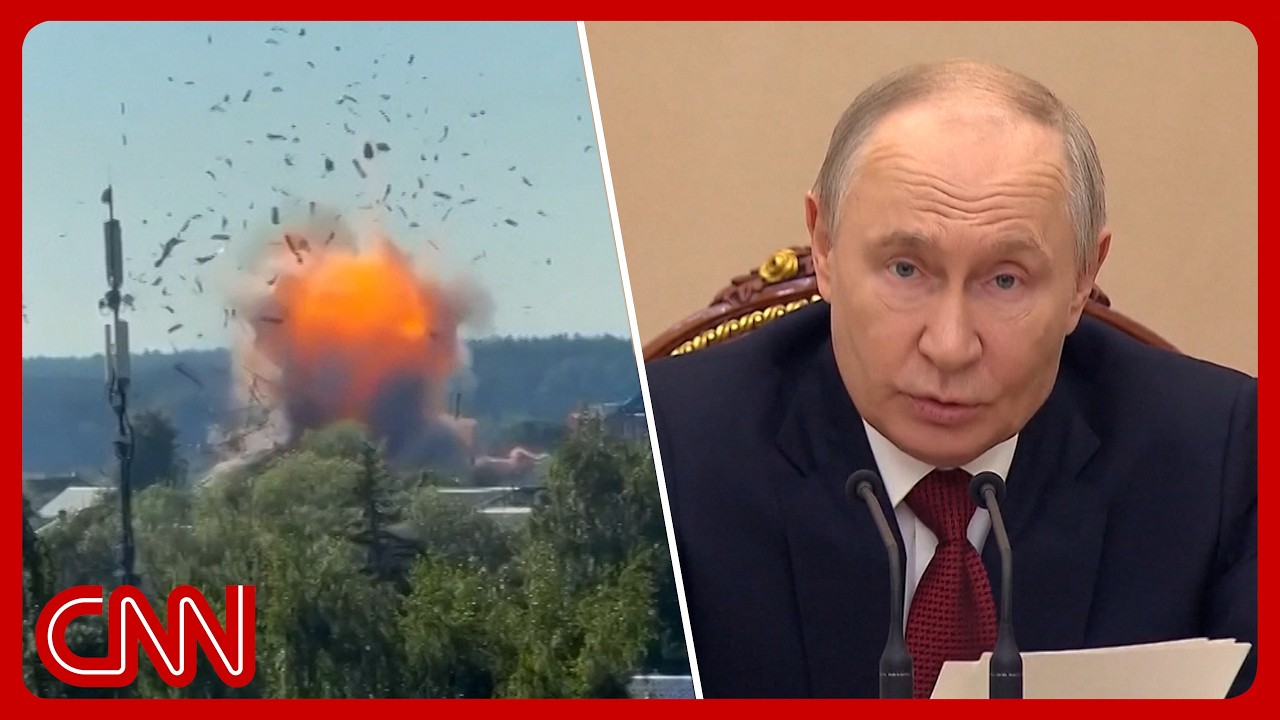
The situation on the Ukrainian frontlines remains dire. Every night, air raids create a persistent sense of foreboding. For example, a recent drone strike in Zaporizhia resulted in casualties, including one fatality and several injuries. Despite these tragedies, Ukrainian forces retaliated decisively, deploying approximately 250 drones—more than were used against them—back at Russian targets. Among these, 60 were directed at Moscow itself: a city that has never before experienced the kind of turmoil now becoming routine for its populace.
Visual evidence of these attacks, albeit scarce, highlights their impact. Ukrainian President Volodymyr Zelenskyy has taken to social media, showcasing the destruction wrought upon targets in Russia. Meanwhile, Moscow’s authorities seem to be concealing damage, inconsistent with their narrative of a distant and controlled military operation. Russian air defenses, once deemed robust, have been increasingly compromised, resulting in pressures not only on military infrastructure but also on civilian life.
Indeed, the psychological toll on the Russian populace cannot be underestimated. Scenes of black smoke rising from oil refineries, coupled with shortages of essential goods like fuel, have made the war’s reality palpable to those in Moscow. As highlighted by recent reports, the closures of schools and beaches in Crimea illustrate the descent into chaos; Russians are now physically and emotionally impacted by the war like never before.
Analysts note that the cumulative impact of over 20,000 Ukrainian attacks on Russian targets is beginning to steer public sentiment. The shifting perception of Ukraine—from a beleaguered nation fighting for survival to a formidable disruptor—has altered the narrative of the war. As Ukraine amplifies its operational tempo, Russian military forces appear to be on the defensive, struggling to maintain control not only on the battlefield but also in the court of public opinion.
Within this context, questions arise about the future of Putin’s leadership. Reports indicate staggering casualty figures within Russian ranks, with estimates suggesting over 500,000 fatalities since the war began. This figure dwarfs U.S. military losses in conflicts since World War II, posing a significant dilemma for a leader who must maintain support amid unbearable losses. As economic issues compound this crisis—rife inflation and systemic shortages—the fabric of Russian society risks fraying.
Despite these pressures, Putin remains steadfastly committed to his military objectives. His recent speeches reflect a resolute belief in eventual victory. However, with casualties increasing dramatically, and dire realities surfacing at home, this unwavering stance may be questioned by an evermore critical populace.
The battlefield statistics are telling; losses are escalating dramatically—at times outpacing Ukrainian casualties to a staggering 8-to-1 ratio. This presents a tangible challenge for a military reliant on mobilization. Any further conscription could evoke a backlash among elites, particularly in Moscow, where the affluent and powerful may first feel the brunt of sustained losses.
Meanwhile, Ukraine sees its tactical success with drone warfare as a potential catalyst for negotiations. President Zelenskyy has framed these long-range strikes not merely as acts of aggression but as “long-range sanctions” aimed at prompting a shift towards diplomacy. Yet, the question looms—will Putin relent, or will he double down on military engagement?
As Ukraine capitalizes on its growing operational capabilities, the dynamic of the conflict is certainly shifting. The prospect of a diplomatic resolution appears increasingly distant, overshadowed by the harsh realities of warfare. The risks that accompany this new phase of hostilities portend a complex future, filled with uncertainty not just for Ukraine and Russia, but for the wider geopolitical landscape.