Analyzing Day 108 of the US-Israel War with Iran
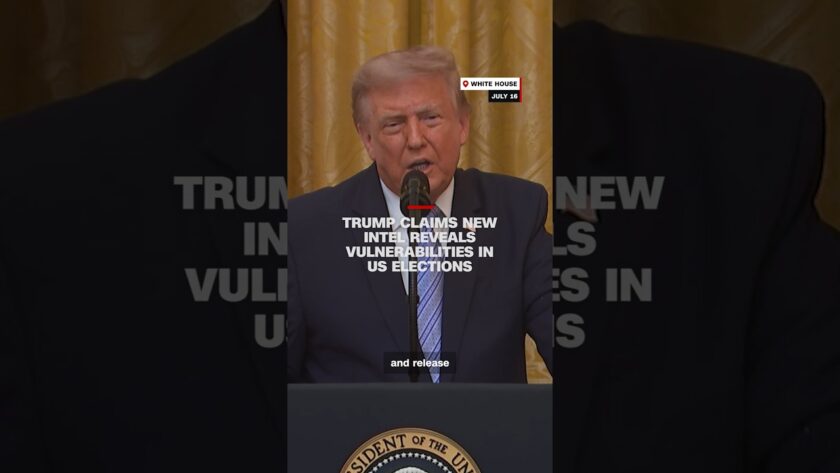
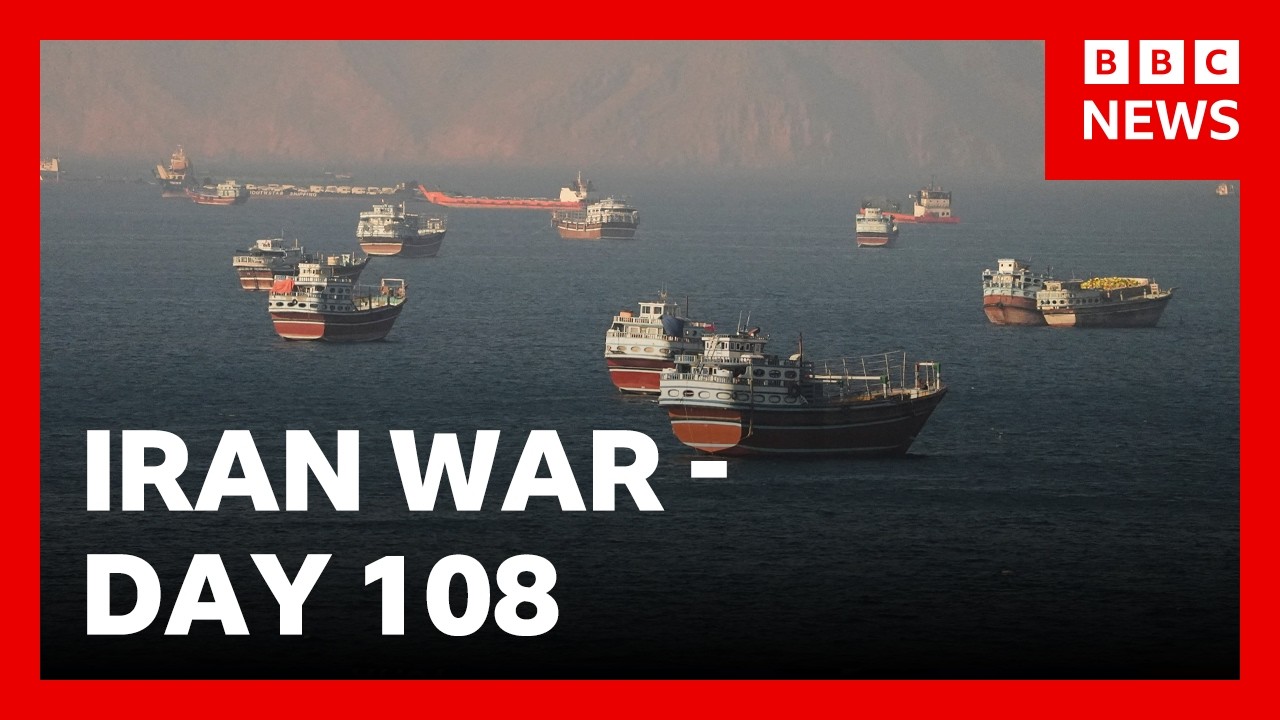
On day 108 of the US-Israel conflict with Iran, significant diplomatic developments have emerged. President Trump announced the signing of a memorandum aimed at concluding the four-month war. This agreement seeks to reopen the strategically vital Strait of Hormuz, although details regarding its implementation remain murky. As global leaders respond optimistically, skepticism lingers, particularly among hardliners in Iran.
The backdrop of this volatility is a newly established framework, hailed as a victory by both Washington and Tehran. The memorandum, signed electronically by Trump, Vice President JD Vance, and the Iranian parliament speaker, emphasizes a 60-day ceasefire extension to facilitate negotiations for a lasting peace. Trump asserts that the Strait of Hormuz will reopen by Friday, promising a toll-free passage for oil shipments. However, conflicting narratives from both sides raise concerns about the deal’s efficacy and long-term implications.
World leaders, attending a G7 summit in Evia, have welcomed Trump’s announcement, but they remain cautious. A primary source of contention is whether Iran intends to impose shipping charges in the Strait, a subject on which both nations are reportedly misaligned. Washington maintains that any fees would contradict commitments made during negotiations, while Tehran has hinted at the possibility of a "service fee" for vessels transiting through.
In Washington, correspondents are still piecing together the finer points of the agreement. Lack of transparency complicates matters, with no published text of the memorandum and conflicting accounts from both nations. Officials suggest that the reopening of the Strait will coincide with the easing of the US naval blockade, which has deeply affected Iran’s economy. Yet, ambiguities persist surrounding Iran’s nuclear program, with US demands for limits on uranium enrichment juxtaposed against Iran’s call for relief from economic sanctions.
Internally within Iran, the deal has triggered a wave of criticism among hardliners who perceive the agreement as a betrayal of the revolutionary ideology established by the republic’s late supreme leader. Some Iranian military commanders have portrayed the deal as a testament to their success over what they term the "humiliated American and Zionist enemies." As negotiations loom in the next 60 days, Iran’s resolve for an end to fighting in Lebanon is definitive, with Hezbollah expressing gratitude for Tehran’s support.
Conversely, the Israeli response to the framework has been overwhelmingly negative. Israeli officials view the agreement as a failure, particularly as it does not alter their military presence in southern Lebanon. Allegations of Israeli aggression persist, with drone strikes reported even amidst peace efforts. Local politicians have voiced concerns that Israeli security should not be dictated by a US-mediated agreement.
The unfolding economic implications are noteworthy. Global markets have reacted positively, with oil prices dropping significantly at the prospect of peace. Economic analysts observe that the resilience of world economies contrasts sharply with prior expectations of dire consequences resulting from protracted conflict. However, while immediate economic indicators show promise, underlying inflationary pressures remain.
The international community must prepare for potential volatility, especially regarding the control and management of the Strait of Hormuz. This critical maritime passage is essential for global oil supplies, and Iran’s intentions for tolls could provoke further geopolitical tensions. Additionally, the nuclear discourse hangs in the balance, with a complex web of issues waiting to be unraveled in forthcoming negotiations.
Looking ahead, the path remains fraught with uncertainty. Progress in negotiations will require deft diplomatic navigation, especially given that past talks have often faltered amid mistrust on both sides. Experts caution that without transparent implementation and adherence to the agreed framework, the situation could quickly deteriorate once again.
In summary, as the world watches this complex and evolving conflict unfold, the interplay between diplomacy and military action will be crucial in determining the future of not only the region but global stability as well. The challenge lies in bridging the gap between expectations and reality, particularly as both nations work toward their own narratives amid the chaos.