The Growing Tensions of the US-Iran Conflict: Key Developments on Day 83
As the conflict continues to escalate on day 83 of the US-Israel war with Iran, geopolitical tensions are mounting. This complex dynamic is characterized by escalating rhetoric, significant diplomatic maneuvers, and dire economic warnings that could reverberate globally. President Trump has made a striking commitment, asserting that the United States will recover Iran’s stockpile of highly enriched uranium, suggesting it is a non-negotiable item for U.S. national security interests.
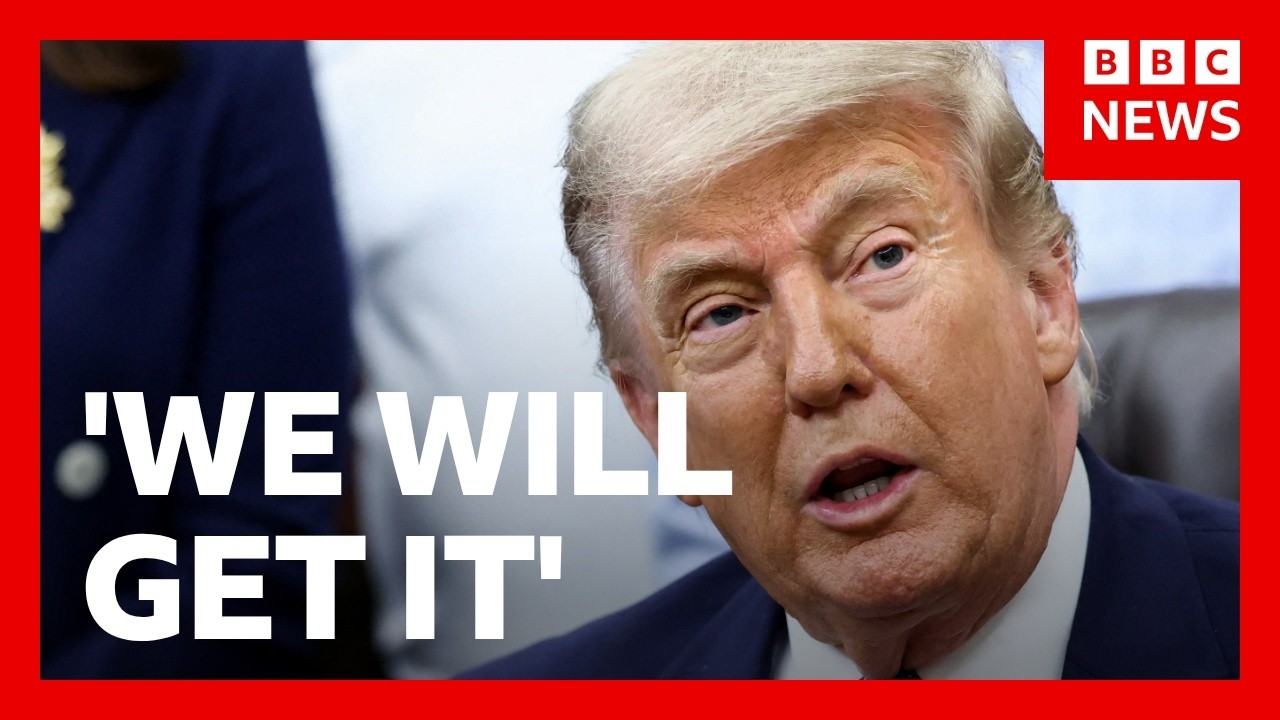
Trump’s declaration, “We will get it. We don’t need it. We don’t want it. We’ll probably destroy it after we get it,” reflects the U.S.’s hardline stance. This comes in the wake of reports indicating that Iran’s Supreme Leader, Ayatollah Khamenei, has directed that uranium should not be sent abroad, signifying a more entrenched Iranian position regarding its nuclear capabilities. This move complicates ongoing attempts at diplomacy and raises concerns about potential military escalations.
The situation is exacerbated by crucial warnings from the International Energy Agency (IEA). Its director has indicated that the world oil market could enter a "red zone" this coming summer, potentially leading to increased volatility in global oil prices. With global demand surging as the travel season approaches, the prevailing geopolitical instability in the Middle East could lead to significant disruptions.
In the midst of this volatility, Pakistan continues its role as a diplomatic intermediary. Pakistani Interior Minister has visited Tehran twice in a week, and speculation abounds regarding a forthcoming visit from Pakistan’s Army Chief, General Aamir. The mere presence of Pakistani officials in these discussions highlights the complex web of alliances in the region and the intricate layers of diplomatic negotiations.
Key issues remain unresolved, particularly around nuclear enrichment rights. While President Trump is adamant that Iran must not possess nuclear weapons, Iran maintains its right to enrich uranium. This fundamental disagreement adds another layer of complexity to the ongoing negotiations, highlighting the lack of trust between the U.S. and Iran. Critics argue that both sides are entrenched in their positions, making any potential compromise difficult.
According to correspondent Frank Gardner, the core of the nuclear issue encapsulates fears in Washington and Tel Aviv regarding Iran’s intentions. The concern is not merely about enrichment levels but extends to the broader implications of Iran potentially obtaining a nuclear weapon. Despite Iran’s assertions that it has no intention of pursuing nuclear armament, its actions—such as the enrichment of uranium—raise suspicion and exacerbate tensions.
Moreover, geopolitical dynamics in the Strait of Hormuz present additional complications. Control and sovereignty over this crucial waterway are paramount for Iran, yet vital for many Gulf nations reliant on its passage for oil exports. Acknowledging Iran’s sovereignty could lead to a paradigm shift in regional alliances and exacerbate tensions among Gulf countries.
As negotiations progress, several key sticking points have emerged. Economic sanctions, frozen assets, and reparations are illustrative of Iran’s demands, while the U.S. holds firm on its stance against nuclear proliferation. The road to any resolution appears littered with obstacles, as both countries remain hesitant to make the necessary compromises to secure a durable peace.
The atmosphere is further charged by reports of instability within Iran’s political structure, suggesting divisions between hardliners and more moderate factions. The opaque nature of decision-making in Iran complicates assessments of the government’s true position and intentions.
As the conflict unfolds, the stakes remain high, not just for the parties directly involved but for global markets and geopolitical stability. The potential for escalation looms large, and with it, the ramifications could be profound. Both the U.S. and its allies must navigate these turbulent waters with caution and strategic foresight. The question remains whether diplomatic efforts will yield any tangible results or whether the situation will spiral further into conflict.
The need for clarity and trust has never been more urgent, but as history illustrates, achieving both remains a formidable challenge in international relations.