Rising Tensions: US-Iran Hostilities Escalate
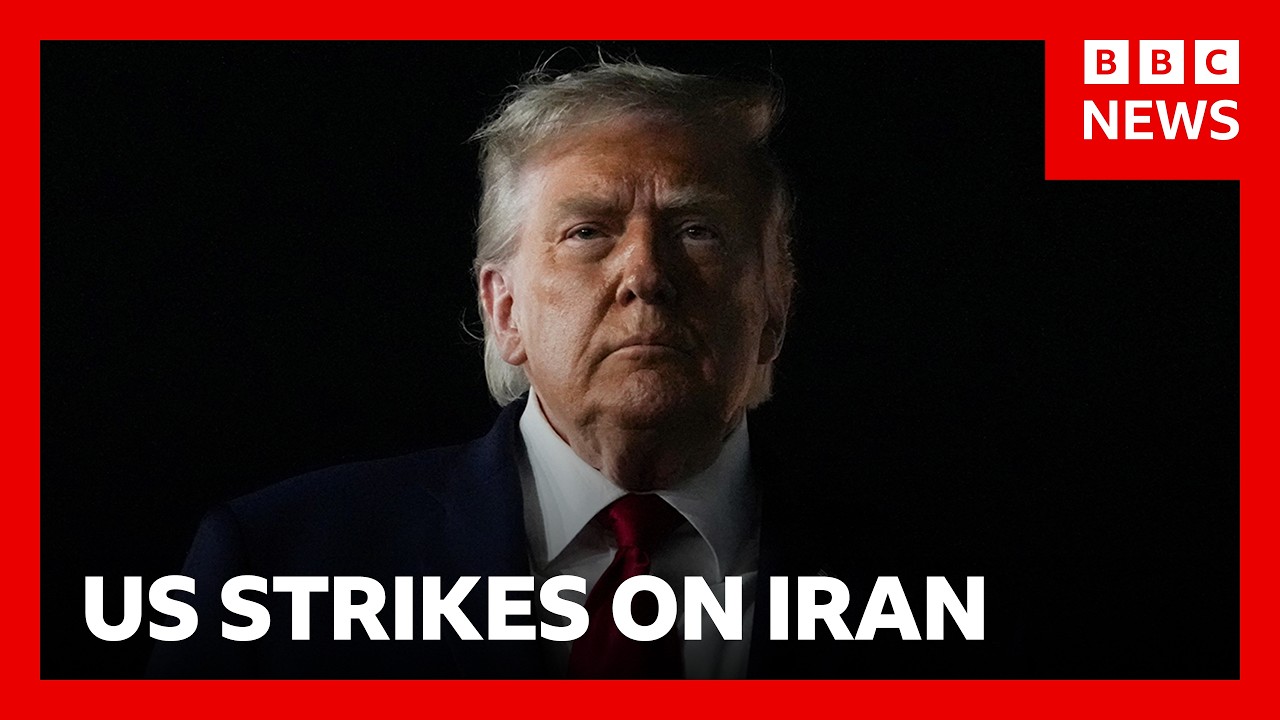
In a dangerous turn of events, the ongoing tensions between the United States and Iran have escalated dramatically, with both sides launching a series of strikes against one another. This latest conflict erupted shortly after President Trump accused Iran of downing a U.S. Army Apache helicopter engaged in patrol off the coast of Oman. The significance of this incident cannot be overstated; it marks potentially the most serious hostilities between Washington and Tehran since a ceasefire was brokered two months ago.
The U.S. Central Command confirmed that it executed strikes targeting nearly 20 sites within Iran, including air defense systems and radar installations. These operations were described as self-defense measures, carried out under the directive of President Trump. The administration framed these actions as a necessary response to Iranian aggression and recent attacks on U.S. forces as well as commercial vessels in the region. Despite this official narrative, some U.S. officials have expressed uncertainty regarding whether the helicopter was deliberately targeted.
In stark contrast, Iran’s Revolutionary Guard quickly retaliated by launching drone attacks against U.S. military bases in Bahrain, Kuwait, and Jordan. Iranian state media warned of potential massive strikes across the region if the U.S. persisted in what they characterized as aggression against the Islamic Republic. Alarmingly, while both the U.S. and Iranian leaders have claimed a desire for diplomatic solutions, the ceasefire is precariously balanced amid rising hostilities.
The implications of these strikes are significant and multifaceted. Not only do they impact U.S.-Iran relations, but they also put American allies in the region on heightened alert. Peter Bowes, a correspondent for BBC News, highlighted just how serious this escalation is, coming at a time when President Trump had previously suggested that a diplomatic deal with Iran might be imminent. Adding to the complexity, Trump had recently pressured Israel to halt operations against Iranian interests.
According to reports, the U.S. strikes specifically targeted Iranian air defense control stations near the strategically vital Strait of Hormuz. This area is a critical juncture for global oil transportation, and any prolonged conflict could disrupt these vital supply lines, adversely affecting markets worldwide. Fortunately, the two U.S. pilots rescued following the downing of the helicopter are reported to be in stable condition.
The Iranian response was swift and calculative. Sirens blared in Bahrain—home to the U.S. Navy’s Fifth Fleet—as the Revolutionary Guard claimed responsibility for drone attacks aimed at U.S. facilities. Reports indicate that missiles were also launched at airbases in Kuwait and Jordan, with Jordanian armed forces reporting successful interceptions of some of these projectiles. While the U.S. has stated that it has yet to confirm damage to its facilities, Iranian officials are claiming success in their attacks, asserting that they hit four specific targets.
Meanwhile, the situation in Lebanon is also deteriorating. Strikes near the city of Tyre have left the local population in a precarious position, forcing evacuations amid ongoing violence. The government is on high alert, particularly as the region has housed a significant number of displaced persons due to previous conflicts. This is a troubling sign; violence in southern Lebanon, including attacks from Hezbollah on Israeli forces, continues unabated.
The unfolding conflict raises crucial questions about the future of regional stability and safety. As fighting persists, the prospect of a renewed diplomatic effort appears increasingly remote. The impacts from the United States and Iran’s tit-for-tat military actions could potentially resonate far beyond their borders, affecting global geopolitical balances and alliances.
The belligerents insist they favor diplomacy, but both sides now find themselves locked in a cycle of retaliation that could spiral out of control. The fragile peace is hanging by a thread, and the urgency for a diplomatic resolution has never been more pronounced. The road ahead remains uncertain, but the stakes are undeniably high.