Unrest in Northern Ireland: Echoes of a Troubled Past
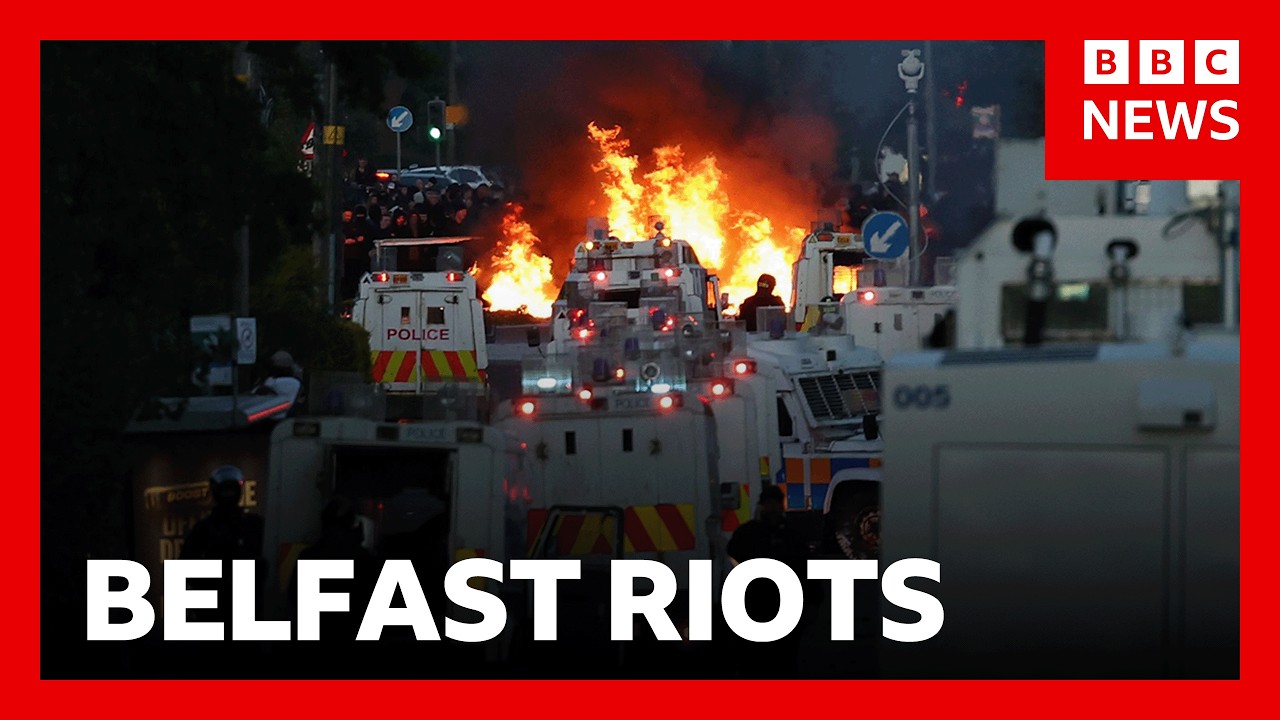
In the wake of a horrific stabbing incident in Belfast on Monday, Northern Ireland has plunged into two nights of violent unrest. The police, grappling with the aftermath, have promised a decisive crackdown on any further disturbances, heightened by the injuries of twelve officers and the arrest of sixteen individuals, two of whom have been charged. The scenes that unfolded were distressing: masked men wielding bricks and petrol bombs took to the streets, transforming neighborhoods into chaos-ridden war zones. Law enforcement employed water cannon and plastic bullets to maintain order, a stark reminder of the turbulent history that still looms over the region.
A Community on Edge
As violence erupted, the sense of fear and uncertainty intensified among residents. Clive Murray, a journalist reporting from Glen Gormley—where much of the turmoil occurred—described the atmosphere as horrific. Businesses and schools preemptively shut down to mitigate potential risks, while public transport services halted, leaving many stranded and vulnerable. A palpable tension hung in the air, a city collectively holding its breath as the echoes of past conflicts resurfaced amidst contemporary grievances.
Residents voiced their concerns. One parent noted that nearly half of the student body at their school did not attend that day, as families from immigrant backgrounds felt particularly vulnerable. "We are keeping our kids at home," she said, underscoring the dread permeating communities that have historically faced discrimination.
The Role of Social Media
Amidst the chaos, questions arose about the organization of these violent acts. Investigations revealed significant online coordination—some orchestrated from within Northern Ireland, while others stemmed from external influences. The internet has become a breeding ground for divisive sentiments, contributing to a climate that can mobilize youth into conflict-driven protests. This toxicity has fueled frustration and anger, prompting both fear and resilience within the communities affected.
A Divided Landscape
Despite the protests ostensibly revolving around immigration, it’s essential to note that only 3.4% of Northern Ireland’s population comes from ethnic minority groups. This juxtaposition raises deeper questions about the underlying motivations for the unrest. Many community members express a longing for the past, intertwining historical grievances with contemporary issues. A local resident proclaimed that "these guys are coming in now and they’re taking over," evoking the legacy of The Troubles and insinuating a return to a narrative of exclusion and division.
Simultaneously, voices from within the loyalist community reflect a sense of entitlement tied to identity and belonging. A local resident dismissed allegations of racism, arguing instead that the upheaval is rooted in fear of foreign ideologies that clash with traditional values. Such sentiments can exacerbate divisions, perpetuating cycles of disenfranchisement.
Fear and Resilience
The impacts of the unrest are evident in the lives of vulnerable communities, particularly among immigrants. Families have been evacuated from their homes, seeking refuge from an atmosphere thick with hostility. As we explore this complex landscape, it’s clear that fear can drive individuals to seek safety, but also to stand firm against adversity.
While the police’s robust response aims to deter further incidents, the challenges facing Northern Ireland remain intricate and multifaceted. The dialogue surrounding immigration, identity, and historical memory needs to evolve. Unless there is a commitment to engage constructively with these issues, the specters of the past may continue to haunt the streets of Belfast and its surrounding areas.
Conclusion
As Northern Ireland confronts a tumultuous present, the path forward necessitates introspection and action. Communities must prioritize dialogue over division, seeking to dismantle social barriers that perpetuate conflict. The lessons of history are stark—violence begets violence, yet reconciliation remains a potential beacon of hope. Only through collective understanding can the cycle of fear and hostility be broken, allowing for a future where all communities can coexist in harmony.