Gas Prices Surge Amid U.S.-Iran Tensions: What You Need to Know
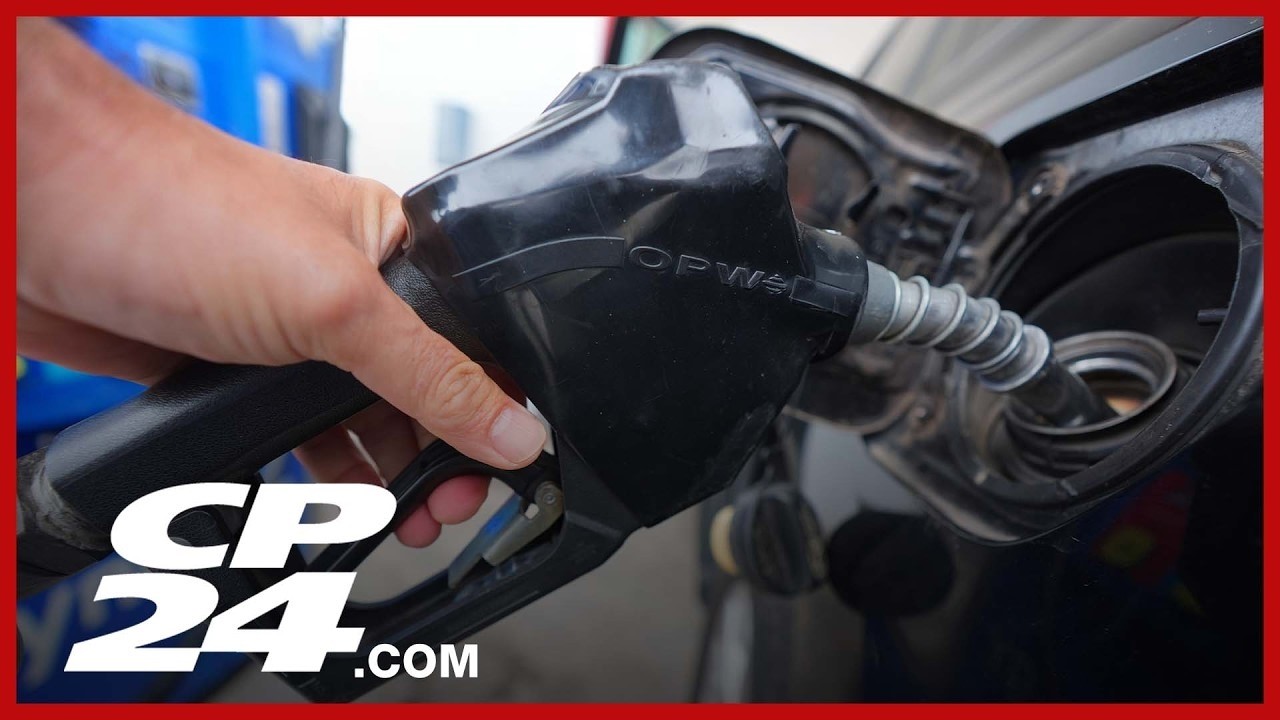
In a stark reflection of global geopolitical instability, Canadians are witnessing a surge in gas prices, with the upward trend being notably pronounced as tensions between the U.S. and Iran escalate. The national average price of gas in Canada has now hit 173 cents per liter, marking an increase of over five cents in just 24 hours. As consumers gear up for the weekend, motorists in metropolitan areas, including Toronto, can expect to pay around 170 cents per liter. This pattern is not isolated; it’s evident across major cities nationwide, illustrating the far-reaching impact of international conflicts on local economies.
This recent spike follows a brief period of stabilization in oil markets after a fluctuating ceasefire. As the specter of conflict looms large once again, market reactions are swift and often brutal. The situation is exacerbated by the uncertainty surrounding potential U.S. responses to the ongoing confrontations, leading to volatility that many experts believe is here to stay for the foreseeable future.
Across the country, gas prices are on the rise. In British Columbia, where residents have already felt the brunt of high fuel costs, prices are creeping dangerously close to the $2 per liter mark. Cities such as Vancouver have recorded increases up to four cents within a day. Meanwhile, in Montreal and St. John’s, the upward climb is evident, with five cents and 4.4 cents added in a span of just 24 hours. Even cities that typically enjoy lower gas prices, such as Calgary, Edmonton, and Winnipeg, are not immune. Each has experienced a rise of six cents overnight.
The markets operate on principles of supply and demand, and the current geopolitical climate has induced a state of uncertainty that is driving prices upward. The ongoing conflict between the U.S. and Iran creates not just immediate fear but also longer-term instability that markets simply cannot ignore. In such times, forecasts become critical components in assessing future gas prices. Historically, when tensions escalate, as they have recently, markets often react with volatility that can last for weeks or months.
Given the rather bleak outlook, experts suggest that drivers should brace for elevated gas costs for the foreseeable future. Initial spikes of four to six cents are symptomatic of the instability created by geopolitical tensions. The short-term forecast does provide a glimmer of hope, however. As the weekend approaches, gas prices are projected to dip by about two cents, allowing consumers to fill up their tanks at a slightly reduced rate.
Despite this minor reprieve, the bigger picture remains concerning. Continuous fluctuations are expected as markets respond to the uncertainty surrounding the U.S.-Iran relationship. Conflict strategies from political leaders may include sanctions or military action, both of which typically contribute to rising oil prices. Thus, the concept of planning fuel purchases becomes crucial. Motorists may be advised to wait until Saturday or Sunday to fill their tanks, as the price could potentially drop to around 167 cents per liter during that period.
In conclusion, the connection between global politics and local economies is starkly illustrated in the current gas price scenario. The ongoing tensions between the U.S. and Iran are set to influence not just consumer spending but also the broader market landscape. As prices vary dramatically and uncertainty reigns, Canadians must navigate these financial challenges with caution and awareness. The volatility isn’t just a matter of economics; it’s intrinsically linked to the broader geopolitical struggles that shape our world, reminding us that what happens far from our shores can directly affect our wallets at home.