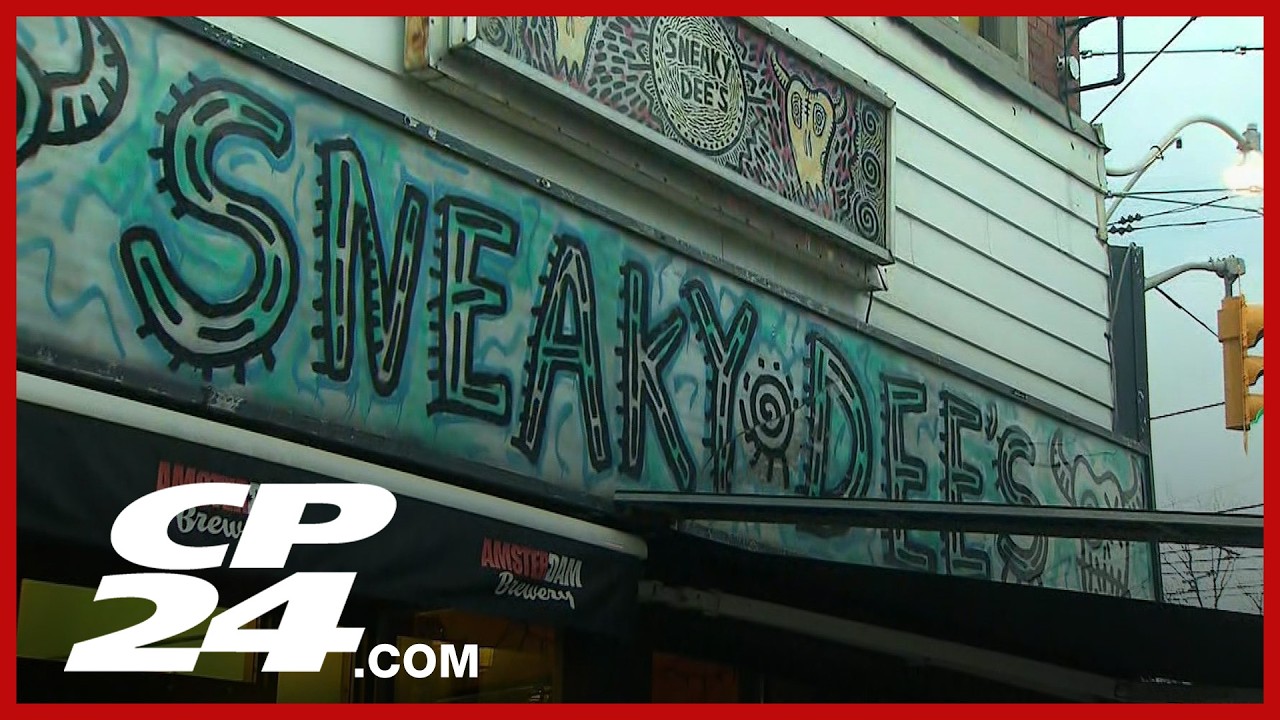
The Future of Sneaky Dee’s: A Community Victory Amidst Development Challenges
The cultural landscape of Toronto faced a significant upheaval when a redevelopment proposal threatened Sneaky Dee’s, a beloved music venue at the southwest corner of College and Bathurst. However, recent developments indicate that this iconic spot may continue to thrive, following the withdrawal of the controversial application. The narrative of this success is intricately woven with community activism, meticulous investigation, and a bit of luck.
Ward 11 Councillor Diane Sax provided critical insights into the chronology of events. In 2020, an application was filed to redevelop not only Sneaky Dee’s but also four neighboring properties. The applicant claimed to own all five sites, leading city staff to prepare a report that ultimately recommended the demolition of Sneaky Dee’s to make way for a new condominium building. This proposal raised eyebrows across the community, especially considering the uncertain fate that awaited Sneaky Dee’s if forced to undergo a costly relocation.
As the situation deteriorated, community activists rallied under Sax’s leadership, seeking ways to safeguard Sneaky Dee’s from the encroachment of redevelopment. Their persistence culminated in a surprising discovery: the Royal Bank still owned the property in question and had not consented to the development application. This revelation was crucial. Sax, drawing from her extensive experience in Toronto politics, acted swiftly. She conducted a title search and confirmed the discrepancies in the applicant’s claims.
After establishing contact with the Royal Bank and securing written confirmation of their non-consent, the gears began to turn. The letter was promptly submitted to public records. Within hours, the developer withdrew the application. Sax remarked on the bewildering nature of the situation, emphasizing that this discrepancy was unprecedented in her experience.
The mystery of why the application progressed so far despite the Royal Bank’s unsold property remains unanswered. It raises questions about the rigor of checks and balances within the city’s planning process. Experts in planning law expressed astonishment that a developer would invest substantial resources into an application without the necessary rights to use the land. This lack of oversight creates an imperative to reassess procedures that govern redevelopment in the city.
But even as the community celebrated this victory for Sneaky Dee’s, larger questions loom regarding the future of music venues and cultural spaces in Toronto. The city has witnessed a distressing trend of music venues closing their doors, underscoring the fragility of Toronto’s vibrant arts scene. Sax articulated the urgency of this situation, asserting that more comprehensive measures are required to protect cultural spaces.
Ward 11 is home to an extensive array of artistic and cultural institutions, from theaters to libraries. Yet, many of these gems are facing significant challenges. Sax pointed out the limited resources available for restoring and maintaining these crucial venues. Funding is primarily drawn from Section 37, a non-renewable source of money derived from development agreements. Sax emphasized the pressing need for a systematic approach to cultural preservation, particularly in the wake of COVID-19, which dealt a severe blow to the arts sector.
The plight of Sneaky Dee’s illustrates a broader narrative that resonates with many cities worldwide, where cherished community spaces are under threat from relentless urban development. The collective action demonstrated in this case serves as a reminder of the influence that organized communities can wield in the face of adversity. Sax’s success story illustrates that, while challenges are plentiful, dedicated advocacy and collaboration can yield powerful outcomes.
As the dust settles on the Sneaky Dee’s saga, it is crucial for city officials, community members, and cultural advocates to engage in dialogue about the long-term sustainability of Toronto’s artistic spaces. The recent victory is a step forward, but it also signals a call to arms for preserving the cultural fabric that enriches the city. The experiences garnered from this episode should propel efforts aimed at safeguarding not just Sneaky Dee’s but all cultural venues vital to Toronto’s identity.