The Wealth of Donald Trump: A Closer Look at Claims and Controversies
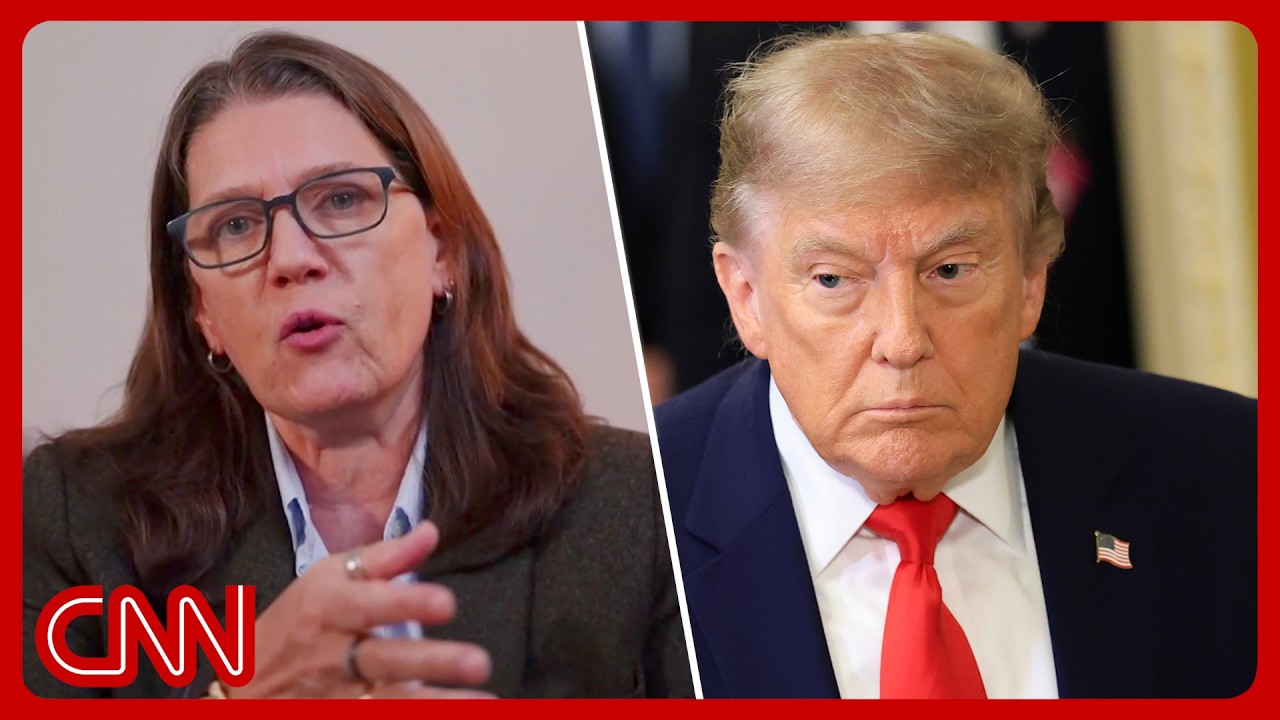
In recent discussions surrounding Donald Trump’s financial disclosures, the narrative of his wealth—and its origins—has come under scrutiny. Trump, often asserting a billionaire status, claims commendable business acumen. However, an array of voices, including that of his niece Mary Trump, prompts us to reconsider the story behind the numbers.
Mary Trump has echoed the sentiment that her uncle’s wealth is largely a product of family legacy rather than personal enterprise. According to her, Donald’s financial claims are inflated and predicated on gifts and loans from their grandfather, which are estimated to exceed $400 million. This background raises significant questions regarding the perceived self-made nature of Trump’s wealth.
Since returning to public office, Trump has made headlines for astounding figures purportedly linked to cryptocurrency ventures. In claiming to have generated over a billion dollars, he stands at the center of a discourse that questions not only the ethics of his dealings but the potential dangers they pose. As President, his engagement in financial markets—often drawing from already controversial or unstable commodities like cryptocurrency—invokes worries about conflicts of interest and national security. Mary Trump stresses that accepting foreign investments, particularly from countries with checkered histories concerning U.S. interests, compromises American safety.
The implications of this wealth acquisition are manifold. Many, especially his critics, assert that it reflects a broader pattern of corruption. The assertion that Donald Trump leverages his presidency for financial gain is not new; skeptics have long pointed to his dealings as being emblematic of a "grifter" ethos. They argue this system enables the ongoing exploitation of political connections for monetary benefits, a practice seen historically in various administrations but perhaps never as overtly as in the Trump era.
The current political landscape is rife with discussions about ethics and transparency. Controversies swirl around how Trump’s children, particularly Donald Jr. and Eric Trump, are also benefiting from the family’s legacy. Critics assert that their success closely mirrors Donald’s—predicated not on innovative business practices but on their lineage and the personal networks they inherit. Furthermore, as the financial connections between political power and private ventures become more apparent, the critique of this family’s financial dealings grows louder.
Against this backdrop, one must not overlook Trump’s perspective. He insists on the legality and efficiency of his business operations. He paints his ventures as exemplifying the free market’s essence, maintaining that he and his family have navigated the system uncorrupted. However, the distinction between legality and ethicality is crucial. Just because actions aren’t outright illegal doesn’t absolve them of moral responsibility. The ethicality of profiting while in a position of power remains a contentious issue.
Mary Trump emphasizes that the willingness of individuals to overlook these maneuvers perpetuates a troubling cycle of enabling. She posits that those in power, either out of self-interest or complicit silence, have created an atmosphere where unscrupulous financial behavior can flourish. This atmosphere not only reinforces systemic inequality but raises alarms about governance and accountability in the highest offices.
The legacy of corruption, Mary argues, is not a new phenomenon. Historical echoes resonate from the past, embodying a tale as old as the American political landscape itself. Yet the unapologetic nature of this current regime—characterized by overt financial dealings without widely accepted ethical standards—poses unique challenges.
As the midterm elections approach, the juxtaposition of Trump’s financial gains with broader societal concerns, such as housing affordability and economic sustainability, could prove detrimental for his party. While Trump continues to profit immensely, critiques of his approach resonate with voters facing economic hardships.
In summary, the discourse surrounding Donald Trump’s wealth is layered. It intertwines personal legacy with broader questions of ethics, governance, and accountability. As Mary Trump poignantly articulates, the focus must extend beyond mere financial success and delve into the ethical ramifications of how that wealth is cultivated and maintained. The reflection on these principles is crucial as the political landscape evolves, demanding a deeper examination of integrity and responsibility in American leadership.