The Great Resignation and the Great Hunkering Down: Analyzing Job Market Shifts
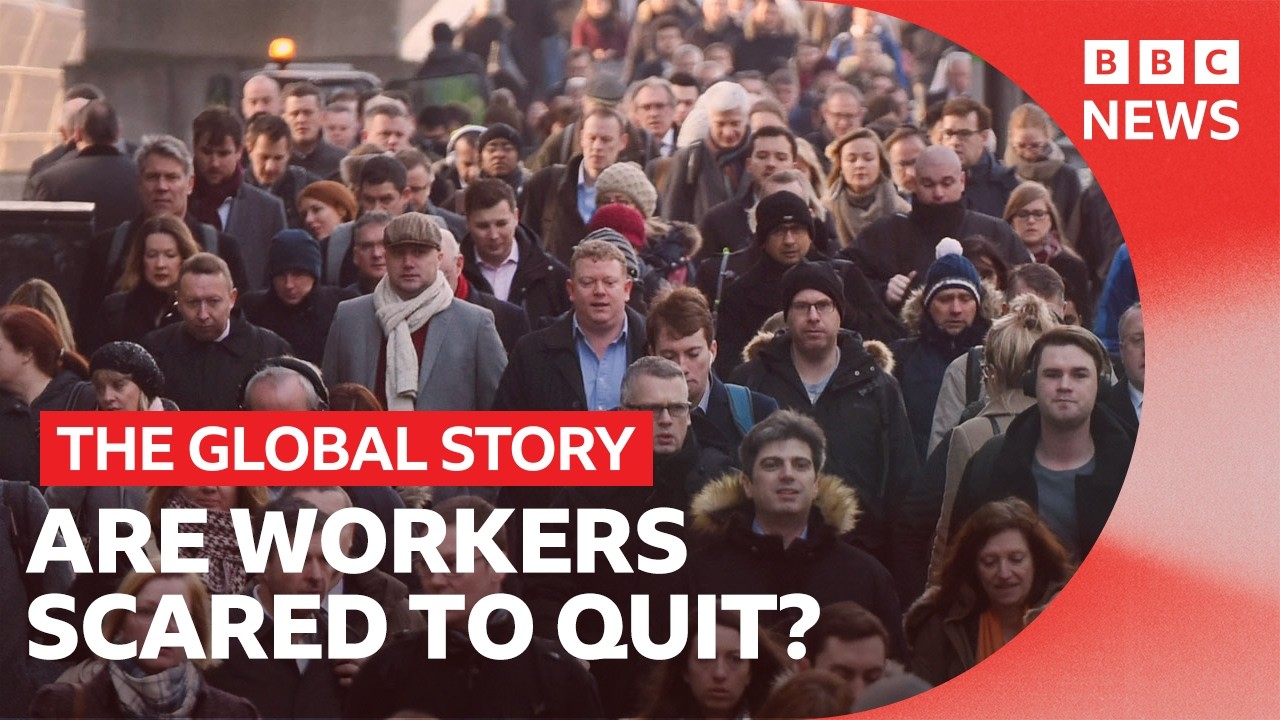
In recent years, the job market has undergone a remarkable transformation, shifting from the fervor of the "Great Resignation" during the pandemic to what can be described as the "Great Hunkering Down." This unprecedented change invites a deeper exploration into the factors driving individuals to remain in their jobs despite widespread dissatisfaction.
A Historical Context
The term “Great Resignation” emerged around early 2021 when millions of workers, particularly in the United States and the UK, began to leave their jobs at unprecedented rates. This phenomenon was fueled by various factors, including heightened job stress, the psychological impact of the pandemic, and the transition to remote work. Individuals utilized this time to reevaluate their lives and careers, leading to widespread resignations. Yet, this trend has seemingly reversed, marking the beginning of a period characterized by hesitance and caution among employees.
Professor Anthony Clotz, who coined "the Great Resignation," noted how the elevated levels of job quitting were not merely a spontaneous reaction to the pandemic’s chaos but rather a culmination of prolonged dissatisfaction with work conditions. The remote work boom offered many a new perspective on work-life balance, urging them to leave jobs that no longer aligned with their values or needs.
The Shift to Hunkering Down
As we moved beyond the peak of resignations, a new trend emerged: the "Great Hunkering Down." This term, popularized by Financial Times columnist Sarah O’Connor, encapsulates the recent collective mindset of workers who are now less inclined to leave their jobs. Rather than seeking new opportunities, many are choosing to stay put amid fears of instability and economic uncertainty.
The macroeconomic landscape has shifted dramatically. Rising inflation, job scarcity, and a generalized anxiety about the future—partly due to the rapid advances in technology and AI—have created a cautious atmosphere. Employees now face a stark reality: the allure of quitting for better prospects has diminished, while the challenges of embarking on a job search in a volatile economy loom large.
The Power Dynamics at Play
A significant aspect of O’Connor’s discussion focuses on the shifting power dynamics between employers and employees. During the height of the Great Resignation, employees enjoyed a stronger negotiating position, demanding perks and benefits that catered to their needs. As organizations scrambled to retain talent, many introduced innovative perks, which not only enhanced workplace environments but also signaled a shift in the traditional employer-employee relationship.
However, the tides have turned once more. The current labor market reflects a drop in job openings and a tightening of perks, signaling a potential return to pre-pandemic norms where employees feel less secure in their positions. O’Connor highlights anecdotal evidence, including policies restricting personal devices in the workplace, showcasing a growing rigidity in employer practices.
The Impact of AI on Job Security
As artificial intelligence becomes increasingly integrated into various sectors, employees have cited concerns about job security and the longevity of their roles. The introduction of AI technologies has transformed tasks previously performed by humans, leading to fears of obsolescence. Sarah O’Connor’s insightful observations from her visits to AI-driven workplaces, such as modern Amazon warehouses, draw attention to the changing nature of jobs and the emotional toll these changes can take on workers.
In this landscape, students entering the workforce exhibit mixed feelings. While many express a cautious optimism about the role AI can play in enhancing productivity, they simultaneously lament the depersonalizing effects of AI in hiring processes. This contradiction highlights a profound concern among younger generations about their future livelihoods.
Conclusion: Navigating the Future of Work
The current labor market exhibits a complex interplay of hopes and fears. Employees are hesitant to leave their jobs, weighed down by uncertainties and evolving economic conditions. The terms “Great Resignation” and “Great Hunkering Down” encapsulate the contrasting mindsets shaping today’s workforce.
As organizations adapt to the realities of the post-pandemic world, maintaining open lines of communication with employees and addressing their concerns has never been more critical. Striking a balance between the needs of the workforce and the evolving technological landscape will be essential for fostering a more sustainable and fulfilling work environment in the years to come. In this rapidly changing world, employers and employees alike must navigate their roles carefully, ensuring that the future of work is not only productive but also human-centric.
The journey continues, and how we choose to move forward could redefine work as we know it.