Venezuela’s Ongoing Crisis: A Nation in Ruins
In the aftermath of last week’s devastating double earthquake, Venezuela finds itself grappling with an ever-worsening humanitarian crisis. The United Nations has reported that tens of thousands of Venezuelans are facing severe hunger, homelessness, and disease. As the nation attempts to recover, the grim realities become increasingly evident: over 1,900 lives have been lost, and many more are still unaccounted for.
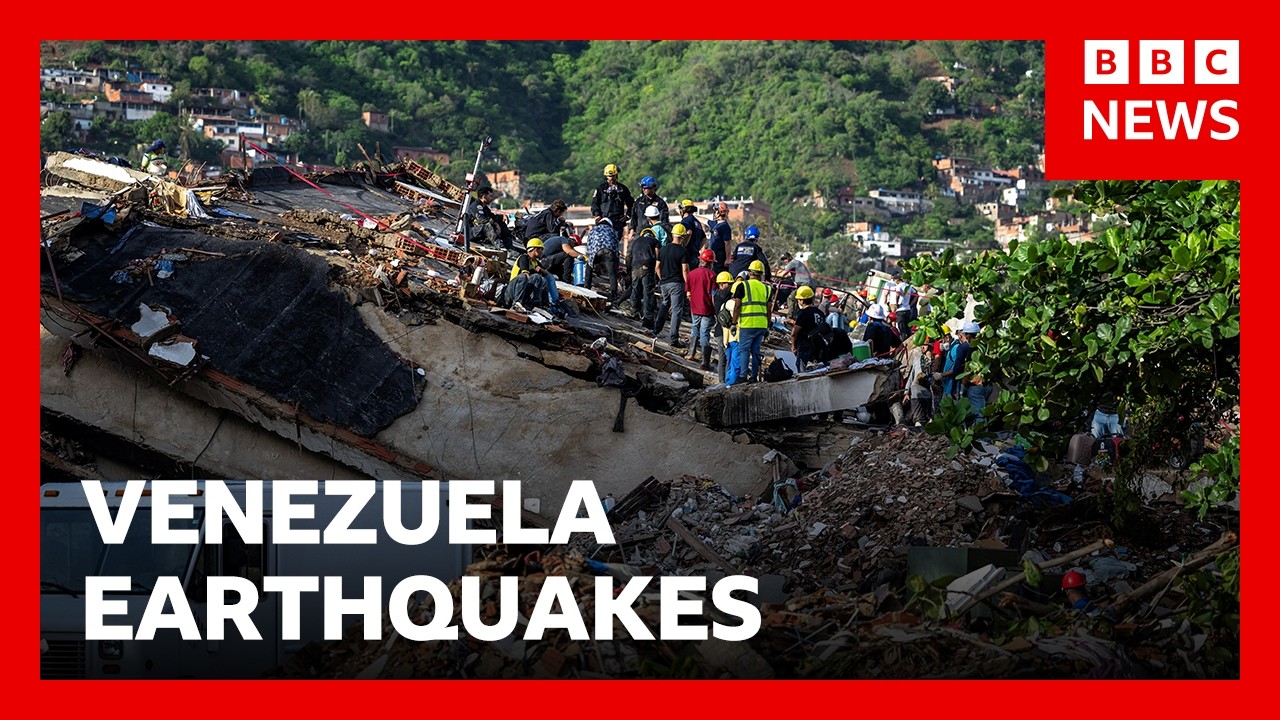
The earthquake’s impact was particularly severe in coastal regions, such as Carabayeda in Laguaira. This area, once home to vibrant communities, has transformed into a scene of devastation. Where there were once twelve towering government buildings, now lie mere remnants of hope—collapsed structures reduced to rubble. Efforts to locate survivors continue, but they are largely undertaken by family members rather than official rescue teams. With basic services crippled and communication networks rendered virtually non-functional, individuals resort to desperate measures. Armed with little more than their cell phones for illumination, they toil amidst the debris, driven by the hope of finding loved ones.
Many have gathered at the site, united in their grief and determination. One poignant account comes from Samuel, a 15-year-old boy who embodies the resilience of the affected community. In a heartbreaking statement, he questioned why adolescents like him are forced to take on such burdens. “Do you think a 15-year-old boy should be doing this?” he asked, his voice tinged with frustration. “The authorities should be here instead.” Samuel’s words highlight a grim reality: the resources and machinery essential for effective search-and-rescue operations are often allocated to wealthier areas and those deemed more important. Meanwhile, human lives hang in the balance.
The chaotic search for survivors is interwoven with a deep sense of despair. Families gather around temporary morgues, faced with the grim task of identifying their deceased relatives. In one makeshift facility at the port of Lagua, mourners sit under tarpaulins, waiting for the excruciating process of formal identification. The atmosphere is heavy with sorrow; each family member’s face tells a story of loss.
In these sorrowful moments, attempts are made to preserve the dignity and privacy of the deceased and their families. Black plastic sheeting serves as a sensitive barrier, a small gesture in a landscape painted in tragedy. It is not just the physical act of identifying bodies that weighs heavily on these individuals; it is the reality that their loved ones may remain unaccounted for in the near future. Each passing moment solidifies the tragic outcome that families dread: a growing list of the missing may soon reflect a rising death toll.
As the nation struggles under the weight of grief, its citizens continue to advocate for their humanity. There is a palpable sense of urgency in their requests for help. Venezuelans are not animals; they are people deserving of aid and compassion, even amidst the rubble of their former lives. The international community watches with concern as the nation, already burdened by economic decline and political strife, faces an unprecedented natural disaster that exacerbates existing hardships.
Without concerted efforts to provide humanitarian assistance, including food, medical supplies, and vital infrastructure, the situation may deteriorate further. While the government has pledged to cover funeral costs for those unable to afford them, the essential question remains: why should families be left to cope with such loss and suffering alone?
The earthquake has unearthed not just the physical devastation but also the fractures within the system that limits the reach of aid. As recovery efforts build momentum, the narrative must shift from despair to empowerment. More must be done to support those caught in the throes of this crisis. In doing so, perhaps the stories of resilience and hope can rise from the ashes of tragedy. Without this shift, the haunting echoes of loss will continue to define Venezuela’s future.