Church Street’s New Pedestrian Pilot Project: A Mixed Bag of Reactions
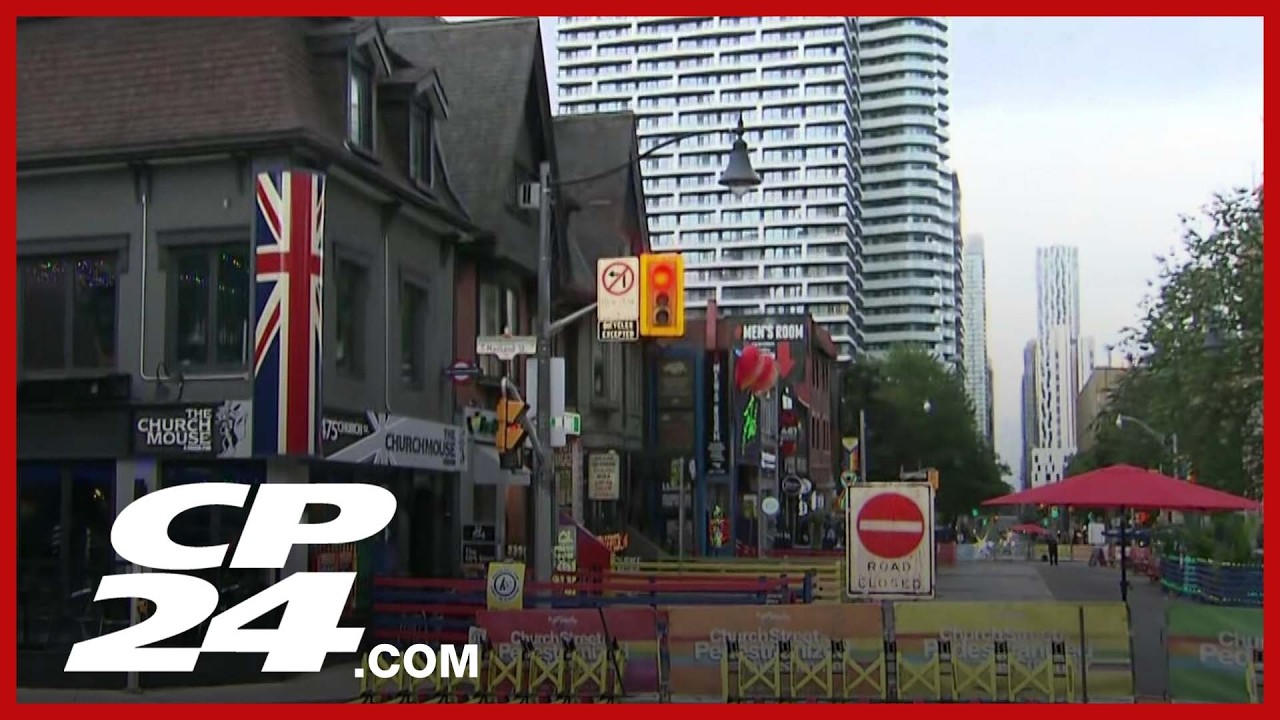
Since mid-June, Church Street has been experiencing a notable transformation, thanks to a new pedestrian pilot project implemented by the city. Although the initiative was formally celebrated with a ribbon-cutting ceremony today, it has been in a trial phase that has garnered mixed reactions from locals and visitors alike.
The project aims to create a pedestrian-friendly environment, particularly in the lively Village area. By closing off a two-block stretch of Church Street from Maitland to Alexander, the city hopes to facilitate a more walkable space that encourages foot traffic and supports local businesses. While advocates of the pilot project laud the increased accessibility and vibrant atmosphere it promises, there are detractors who express reservations about the implications for vehicular traffic in an already congested city.
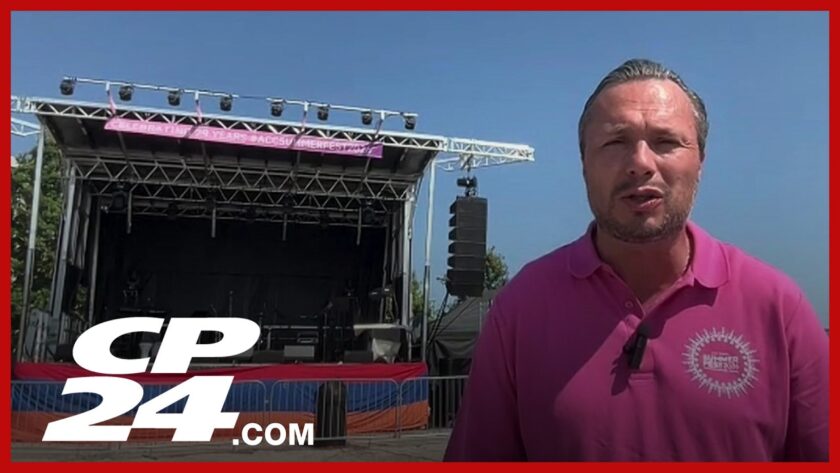
Courtney Heels, reporting live from the Village, noted the divided sentiments surrounding the project. On one hand, foot traffic appears to have surged in this area, fostering a dynamic environment beneficial to local businesses. Many business owners are optimistic about the potential long-term benefits. A bustling pedestrian zone can create a sense of community and attract new customers to cafes, shops, and other local establishments.
However, these positive aspects are tempered by concerns from drivers who rely on Church Street as a vital thoroughfare. With traffic already strained due to ongoing construction and other city projects, the reduction of available lanes has led to frustration and longer travel times. As Heels pointed out, the response from those commuting by vehicle has not been entirely positive; for some, the added congestion feels like just another challenge in navigating Toronto’s busy streets.
City officials are keenly aware of the varying reactions and are treating this as a pilot project. The goal is to assess community sentiment and practicality before making any long-term decisions. If residents embrace the pedestrian-friendly approach, there is potential for the initiative to become a permanent fixture in the Village. Conversely, if feedback is predominantly negative, city planners are prepared to pivot.
A significant concern raised by Councillor Kristyn Wong-Tam, who represents the area, involves escalating security costs associated with the new pedestrian zone. Initially estimated at $150,000, these costs have reportedly ballooned to approximately $300,000 in just a few short months. This financial burden raises an important question: Is the increase in security expenses justifiable in the quest for a more walkable city? Wong-Tam acknowledged the need for a thorough evaluation before committing to extending the project beyond its trial phase.
The ribbon-cutting ceremony marks a moment of celebration, but it also serves as a reminder of the complexities involved in urban planning. Creating spaces that cater to pedestrians while accommodating vehicles is no small feat. As the city navigates this delicate balance, it faces the challenge of ensuring that all stakeholders—residents, businesses, and commuters—have their voices heard.
As the pilot project continues, the city has committed to gathering data and feedback from those using the area. Surveys and public forums will likely play a crucial role in shaping the future of Church Street. Will it cement its place as a cherished pedestrian zone or revert to its previous configuration? The coming months will be pivotal in determining the direction of this initiative.
In summary, while the Church Street pedestrian pilot project is an ambitious step toward enhancing urban livability, the mixed reactions highlight the complexities of such efforts. As the city carefully considers feedback, both positive and negative, it hopes to strike a balance that will make walking a more pleasant experience without exacerbating the frustrations of driving in one of Canada’s busiest cities. The outcome of this pilot project could very well influence future urban planning initiatives across Toronto.