Unraveling the Epstein Testimonies: A Deep Dive into Leslie Grath’s Hearing
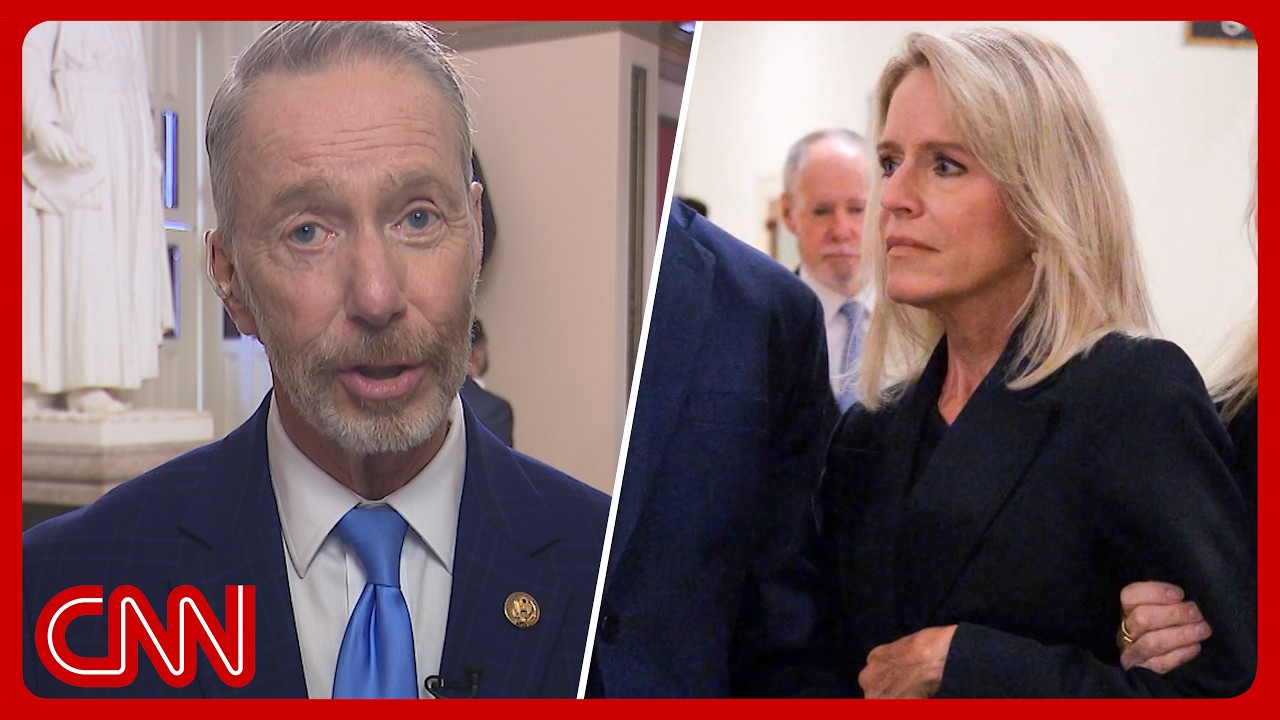
The recent hearing tied to Jeffrey Epstein’s infamous criminal activities has sent shockwaves through the media and public alike. A closed-door interview with Leslie Grath, a longtime assistant to Epstein, raised many questions as she concluded her testimony to the oversight committee spearheading the investigation. Her statements, particularly her claims of ignorance regarding Epstein’s illicit activities, have ignited intense scrutiny and skepticism.
Grath’s testimony centers on her denial of witnessing any sexual misconduct, despite her significant role in Epstein’s operations. Described as a “master manipulator” by Grath herself, Epstein’s personality and charisma were cited as factors that could easily cloud one’s judgment. Yet, while she might not have personally witnessed illegal activities, her actions, especially booking massages with young women for a convicted sex offender, imply a troubling complicity.
During the proceedings, the committee chair expressed a mix of disbelief and understanding. He reasoned that while Grath did not see any overt abuse, the sheer volume of her involvement—157,916 mentions of her name in Epstein’s documents—contrasts sharply with her claims of ignorance. This contradiction has made it hard for the committee to accept Grath’s assertions at face value.
More pointedly, the committee observed that about 90% of her testimony lacked credibility, revealing a pattern of evasion and a tendency to downplay her connections to Epstein. This response raises significant concerns about accountability and ethical standards within Epstein’s inner circle. It’s particularly alarming given that Grath maintained her position for 18 years, both before and after Epstein’s 2008 conviction, without appearing to question the moral implications of her role.
As the investigation unfolds, attention is also shifting towards Bill Gates, Microsoft’s co-founder, who is scheduled to testify next. Gates’s multifaceted relationships within Epstein’s world extend beyond mere business connections. Many speculate that his ongoing interaction with Epstein, even after the latter’s conviction, begs deeper inquiries. The committee aims to discern the extent of Gates’s knowledge regarding Epstein’s activities and the implications of their long-term relationship.
The gravity of Grath’s assertions is compounded by the nature of her work. Grath, who claimed naivete in her dealings, mentioned organizing travel and facilitating communications with high-profile associates, including Donald Trump. Yet, her consistent inability to recall specific details during the interviews paints a troubling picture. A recurring refrain throughout her testimony was, "I don’t recall," which raises the question of whether this selective memory is genuine or a strategic avoidance of accountability.
Compounding these issues is the controversial 2008 non-prosecution agreement reached by Epstein and federal prosecutors. This agreement, which included clauses offering immunity to several associates, has become a focal point of the investigation. Grath stated she was unaware of her inclusion in the agreement, yet this claim does little to ameliorate concerns about transparency and justice.
A growing consensus among committee members is that an independent investigation into the 2008 agreement is overdue. Questions are intensifying around why these individuals were never pursued further and what mechanisms allowed for such a wide-ranging cover-up. The lack of prosecution for any of Epstein’s associates raises fundamental issues regarding the integrity of the justice system and calls for accountability at every level.
As the inquiry pushes forward, it’s clear that the stakes are high—not just for those involved directly, but for a society desperate for transparency. The investigation aims to establish a clearer understanding of the breadth of Epstein’s network and the complicity of those surrounding him. The committee’s resolve to bring every witness back under oath, especially those who played pivotal roles in his operations, underscores the necessity for public accountability.
In essence, the unfolding narratives surrounding Epstein and his associates reveal a complex tapestry of power, ignorance, and complicity. As the investigation continues, it remains clear that the pursuit of truth is vital for healing the scars left by these egregious acts. The public’s demand for transparency and justice ensures that these discussions will continue, as the implications of what transpired reach far beyond a mere closed-door hearing.