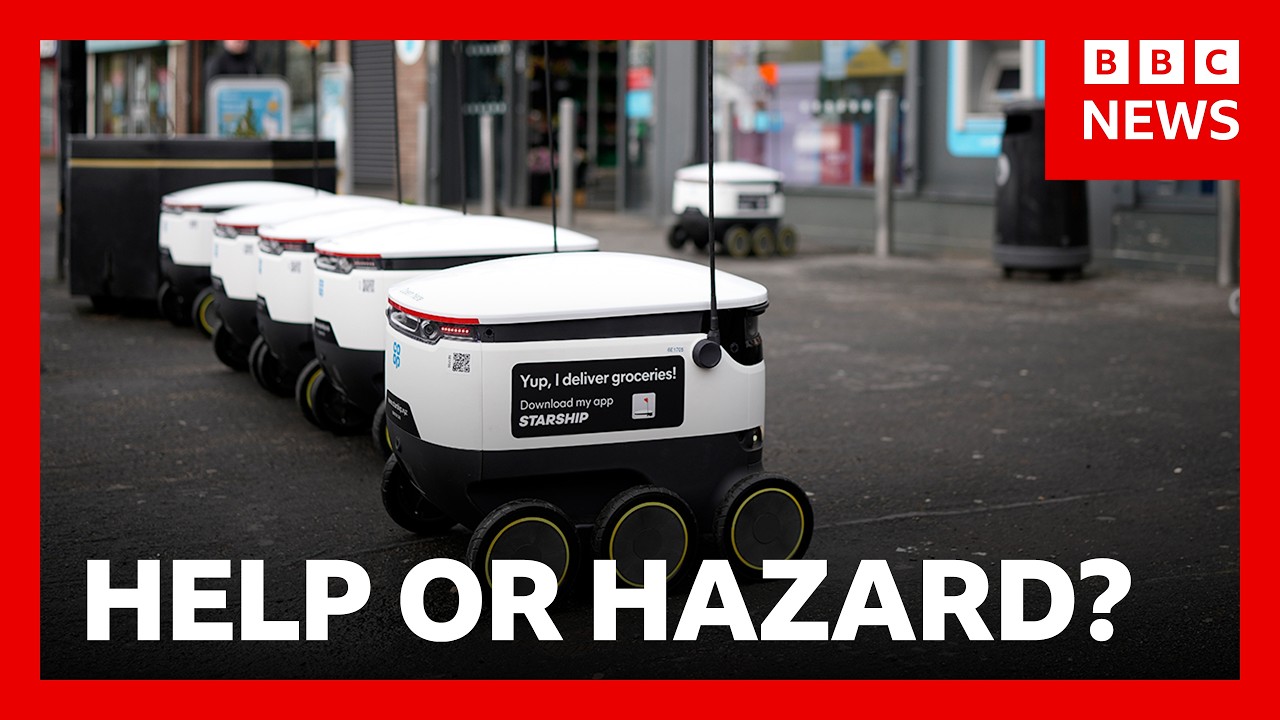
The Rise of Delivery Robots: Innovation Meets Controversy
In recent years, the streets of UK cities have witnessed an unusual transformation. Nimble, compact delivery robots, once a novelty, are now steadily becoming part of daily life. With a top speed of 4 mph, these autonomous machines, designed by companies like Starship Technologies, roll through neighbourhoods, delivering food and goods right to residents’ doors. While they offer undeniable convenience, they also spark controversy, raising questions about safety, accessibility, and the evolving nature of urban infrastructure.
The emergence of delivery robots is driven by an increasing demand for quick and efficient service. According to Starship, the leader in this sector, they have completed nearly two million deliveries in the UK alone, contributing to a remarkable global total of over 10 million. The rise of on-demand shopping, especially for small grocery items like milk or bananas, further supports the opportunity these robots fill. They satisfy the need for swift deliveries while reducing road traffic and associated emissions.
However, the conversation surrounding these robots is far from straightforward. Many community members express unease. One local described them as “quite menacing,” noting how they zoom towards pedestrians on already congested pavements. This sentiment resonates with many who navigate urban settings rife with challenges, as the last thing they need is a speedy robot threatening their personal space.
The influx of delivery robots has prompted a government consultation examining their place in society. Presently, there is no national framework governing the use of such technology, raising concerns about pedestrian safety. Advocacy groups, especially those representing people with disabilities, have voiced apprehension about how these machines may obstruct pathways and complicate navigation for vulnerable users. Charities like Transport for All highlight that visually impaired individuals and wheelchair users may find themselves at a distinct disadvantage when sharing sidewalks with robots. Such obstructions can limit mobility options, potentially leading to social isolation among those already facing challenges in public spaces.
While robots are promoted as safe and efficient alternatives to traditional delivery methods, their integration into everyday life must prioritize the well-being of pedestrians. The Department of Transport emphasizes innovation’s importance but maintains that pedestrian safety is paramount. This delicate balance between technological advancement and public safety sits at the heart of the ongoing debate.
To address these concerns, companies like Starship Technologies claim they consider the experiences of disabled individuals in designing their robots. Their systems employ sophisticated technology that enables the machines to navigate autonomously while monitoring their environment constantly. In incidents where a robot encounters obstacles, such as a mobility aid, it can notify a human operator for assistance. These measures aim to minimize conflict with pedestrians, but whether they go far enough remains an open question.
The prospect of delivery robots becoming a permanent fixture on UK streets raises significant societal implications. James Barber, interim chief executive at Transport for All, insists that regulation is crucial to ensure that public spaces prioritize pedestrians over machines. While these robots offer undeniable benefits in efficiency and convenience, they must not inadvertently become barriers to mobility for those who need it the most.
Overall, as the use of delivery robots becomes more widespread, community conversations around their social impact will undoubtedly continue to evolve. Policymakers, companies, and residents will need to collaboratively navigate this new territory. Striking the right balance between technological progress and pedestrian safety will be essential in creating inclusive urban environments where both robots and people can coexist harmoniously.
As cities adapt to these changes, the question remains: how will we ensure that innovation enhances, rather than compromises, the quality of life for all—especially the most vulnerable members of our communities? The answer will shape not just the future of delivery robots but the overall framework of urban living in the years to come.