Escalating Tensions in the Middle East: The Closure of the Strait of Hormuz
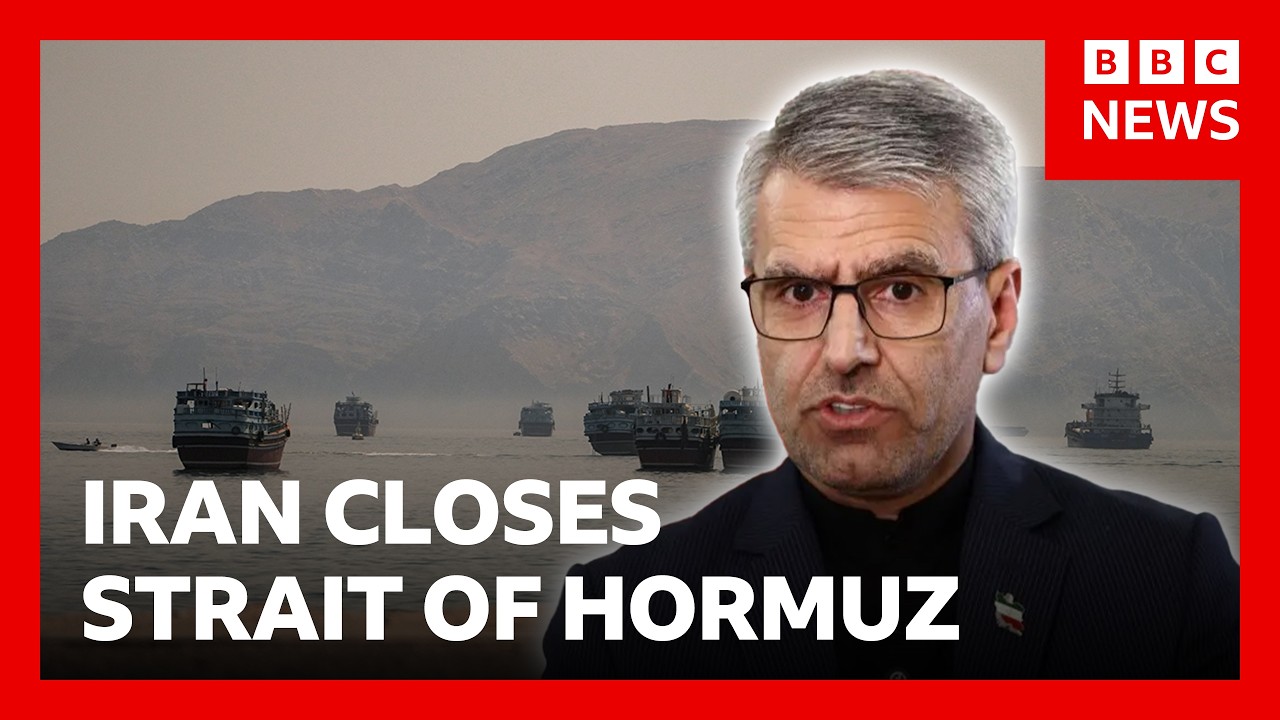
In a dramatic turn of events, Iran’s military has announced the closure of the Strait of Hormuz, marking a significant escalation in regional tensions. According to Iranian state media, this closure is a direct response to Israeli military actions in southern Lebanon—actions Tehran claims violate existing agreements with the United States. The implications of this development are manifold, touching both diplomatic negotiations and global economic stability.
The Strait of Hormuz is a critical maritime route through which approximately 20% of the world’s oil and petrochemical products transit. Historically, any disruption in this strait has led to substantial consequences, including spikes in oil prices, rising costs for consumers, and increasing inflation rates worldwide. Recent events have only exacerbated these issues, highlighting the fragile balance of power and the intertwined nature of military actions and economic repercussions.
John Donison, our Middle East correspondent, emphasized the gravity of the situation during his report. "We already see a significant step back," he stated, referring to the previously fragile memorandum of understanding between Iran and the United States. The strait’s reopening was touted as a diplomatic achievement, yet it lasted only a few days. Now, as the Iranian negotiators reportedly head to Switzerland to discuss terms with the U.S., the situation grows increasingly complex.
Israel and Lebanon: A Cycle of Violence
The backdrop to this incident involves ongoing conflict between Israel and Hezbollah in southern Lebanon. Despite a recently announced ceasefire, Israeli military actions have continued unabated, claiming responses to attacks from this Iran-backed militia. Reports indicate that over 50 projectiles were launched at Israeli Defense Forces (IDF) by Hezbollah, leading to severe retaliation from Israel. The lethality of these airstrikes, which have resulted in civilian casualties, raises ethical questions about warfare in densely populated areas.
Correspondent Hugo Basha from southern Lebanon sheds light on the humanitarian cost of these actions. The vulnerability of civilians affects not only those currently under siege but also the overarching narrative of the region, which has long struggled with cycles of violence and temporary truces. Basha reports that hospitals are overwhelmed, with ambulances transporting only the deceased. "Families who’ve been forced to flee may never be able to come back," he notes, encapsulating the human tragedy in the wake of these escalating tensions.
U.S. Involvement and Diplomatic Dilemmas
As the situation continues to develop, questions arise regarding the role of the United States in this increasingly chaotic landscape. Dr. AJ Helier, a senior associate fellow at the Rousi think tank, underscores the paradox of American foreign policy. While the U.S. possesses substantial leverage over Israel, it appears hesitant to use this power effectively. The Iranians perceive Israel’s actions as tacitly permitted by Washington, complicating diplomatic efforts.
With Donald Trump and various U.S. politicians publicly criticizing Israel’s approach, the American government faces a diplomatic conundrum. The question remains: can U.S. leaders exert meaningful pressure on their Israeli counterparts to adhere to peace agreements? Without decisive action, the potential for renewed conflict looms large, destabilizing an already tense region.
The Path Ahead
As we await further developments, the stakes remain high. The resolution of these conflicts will require deft diplomacy and a reconsideration of how military actions are managed and authorized. With the closure of the Strait of Hormuz serving as a poignant reminder of the interconnectedness of military strategy and economic stability, the world watches closely.
The urgency of this moment cannot be overstated. The consequences of inaction could reverberate far beyond the Middle East, affecting global markets and international relations for years to come. In an age where diplomacy often struggles to keep pace with the velocity of armed conflict, finding a lasting peace remains a daunting challenge.