The Twilight of Russia’s Energy Dominance: Internal Strife Amidst Ukrainian Attacks
Vladimir Putin’s recent military actions in Ukraine—characterized by relentless strikes on Kyiv—are casting a dark shadow not only over Ukraine but increasingly over Russia itself. The Russian leader, known for his autocratic grip on power, now faces unprecedented domestic challenges that threaten to destabilize his regime. The situation is noteworthy as it unfolds against the backdrop of intensified drone attacks by Ukraine targeting Russian energy infrastructure, highlighting a strategic shift in the balance of power.
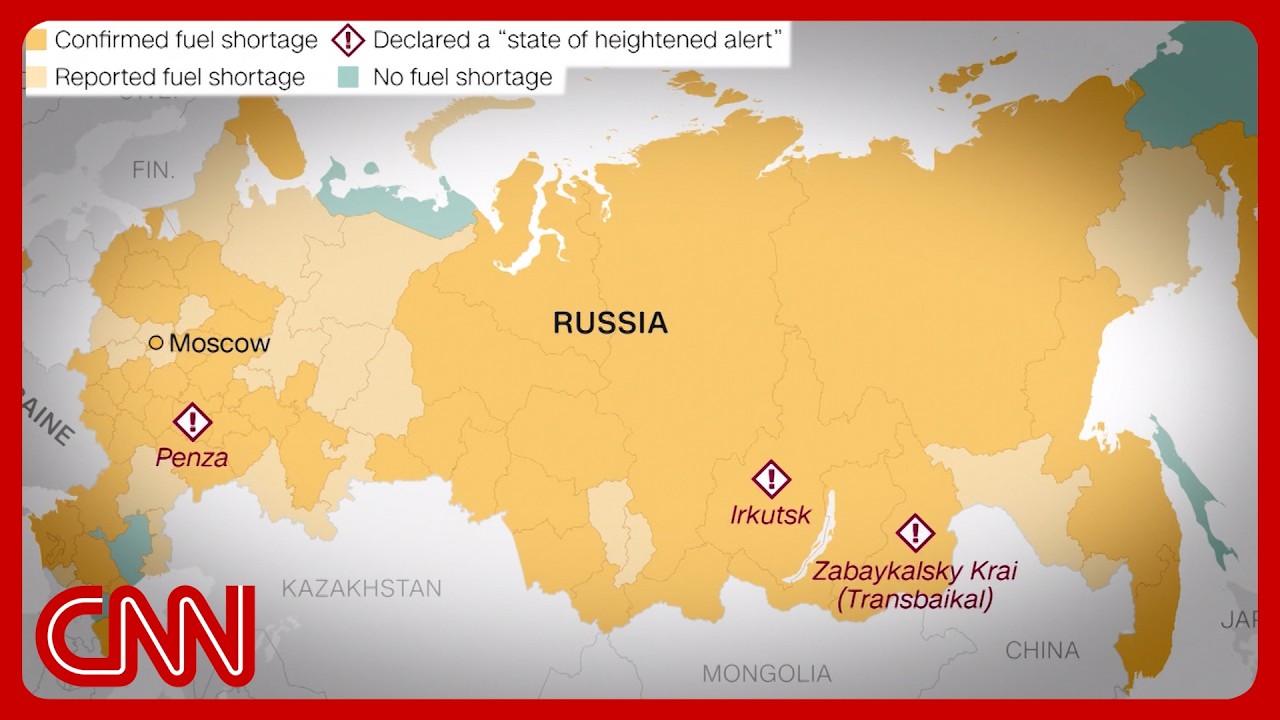
Reports from Russian cities tell a troubling tale. In Moscow, lines form outside gas stations as citizens grapple with fuel shortages exacerbated by panic buying. These scenes not only demonstrate the practical repercussions of war but also hint at emotional undercurrents of fear and frustration. Analysis indicates that more than half of Russia’s regions are experiencing fuel supply problems. Unofficial reports confirm these shortages extend from the Arctic north to the southern Krasnodar region, where videos depict public confrontations over scarce resources.
Fraught with desperation, some Russians approach these hardships with dark humor; individuals have turned long waits into makeshift social gatherings, jesting that the best date night now involves waiting for a fuel tanker. Yet beneath this veneer lies a burgeoning crisis marked by rising inflation and economic uncertainty. Putin’s acknowledgment of foreign influences complicates the narrative—he labels Ukraine’s strikes not just as military assaults but as a strategic information operation aimed at sowing discord among the Russian populace.
Despite the gravity of the situation, there remains no substantial evidence suggesting that these developments will sway Putin from his military objectives. Meanwhile, Ukraine’s focused drone campaign has extracted a significant cost from Russia, reportedly diminishing Russian oil refining capacity by about 20%. This substantial decrease highlights an unraveling of Russia’s energy stronghold, which had been perceived as a pillar of its global power.
The sophisticated nature of Ukraine’s attacks, which target critical assets in Russian territory, reveals the tactical advantage they have gained. With a production drop of 25% in gasoline—a crucial resource for military operations—the situation has become dire. Russia, once self-sufficient in energy, now finds itself contemplating imports, including negotiations with countries like Kazakhstan and India to acquire refined products.
Reflecting on Russia’s status as an energy superpower, it is evident that these setbacks could lead to a reevaluation of its economic standing. Citizens, many of whom experienced the economic turmoil of the post-Soviet era, may soon find echoes of that past as they confront fuel shortages. The impact on military operations could prove critical, and questions loom about whether Putin’s administration can sustain its wartime agenda without adequate resources.
Another layer of complexity is emerging within Russian society itself. Public sentiment appears increasingly negative regarding the economy, with recent surveys indicating a notable increase in dissatisfaction. Historically, during times of crisis, nations often rally around their leaders—yet this support can be ephemeral. As the humanitarian cost of the conflict deepens and resources dwindle, the question arises: Will this lead to greater unity or further unrest?
Looking ahead, the upcoming sham elections in Russia will serve as a litmus test for Putin’s governance amid mounting challenges. The tension between maintaining a façade of strength and addressing the stark realities of economic decline will be critical. If public sentiment swings further against the regime, the pressure for either a shift in leadership or a peace negotiation could become irresistible.
In conclusion, Ukraine’s ongoing military campaign, particularly its effective targeting of Russia’s energy infrastructure, has initiated a complex set of consequences within Russian society. As economic difficulties mount, the potential for public discontent increases. Putin’s ability to navigate this crisis will significantly impact not only the war’s trajectory but the future integrity of his administration as well. The interplay between military action and internal opinion will likely define the coming months, with the stakes ever higher.