Tensions Rise as Ceasefire Holds in Lebanon Amid Ongoing US-Israel-Iran Conflict
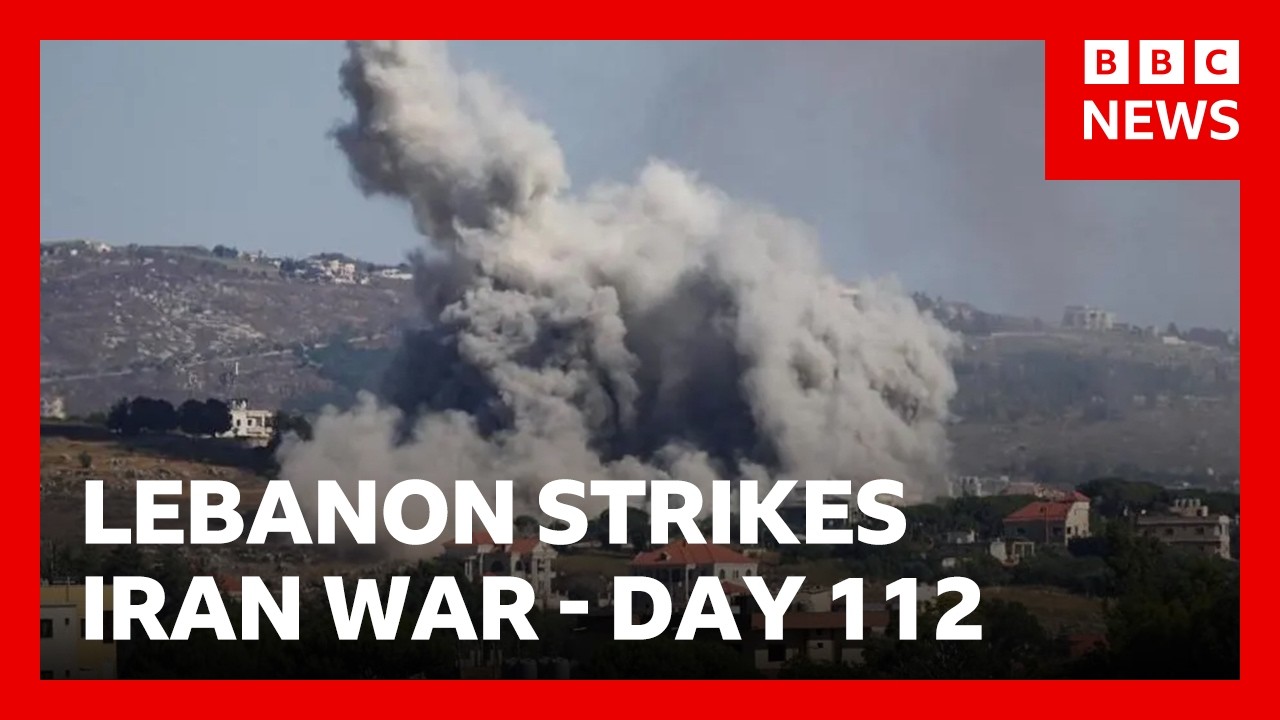
On day 112 of the multifaceted conflict involving the United States, Israel, and Iran, recent developments paint a complex picture of a region still grappling with violence and uncertainty. As the world watches closely, the fragile nature of peace in Lebanon has taken center stage.
The ceasefire agreement between Israel and Hezbollah was hailed as a crucial step to prevent further escalation. However, shortly after its announcement, reports emerged of renewed Israeli airstrikes in southern Lebanon, underscoring the tenuousness of the truce. The bombings have led to significant casualties; local emergency officials reported at least 47 deaths and over 100 wounded in just a few days. Such violence has forced around 60,000 residents of Tyre, a city rich in culture and history, to flee their homes for safety, turning a once vibrant community into one marked by destruction and despair.
The situation inside Lebanon remains dire. Correspondents on the ground describe harrowing scenes of devastation, with rescuers unable to reach victims due to the intensity of ongoing airstrikes. The fatal cycle of violence seems relentless, with each ceasefire and retaliatory strike creating an atmosphere of hopelessness. Israeli forces, citing attacks on their soldiers by Hezbollah, have unleashed assaults on what they claim are Hezbollah’s infrastructure targets. However, the implementation of a ceasefire has proven elusive, raising concerns over its effectiveness and longevity.
Efforts to hold peace talks in Switzerland have also been delayed, as escalating tensions threaten to derail diplomatic progress. U.S. Vice President JD Vance’s absence from the discussions underscores the complexity of negotiating a settlement amidst ongoing hostilities. Iran has issued stern warnings that it remains prepared to respond militarily should it perceive threats to its interests, highlighting the escalating stakes involved.
In maritime news, shipping traffic through the Strait of Hormuz has seen a notable increase, marking the highest levels in two months. This uptick is seen in the context of increased caution among Gulf producers, who are acutely aware of the potential risks associated with maritime security. The international community remains vigilant as tensions persist, especially in light of Iran’s ongoing nuclear ambitions.
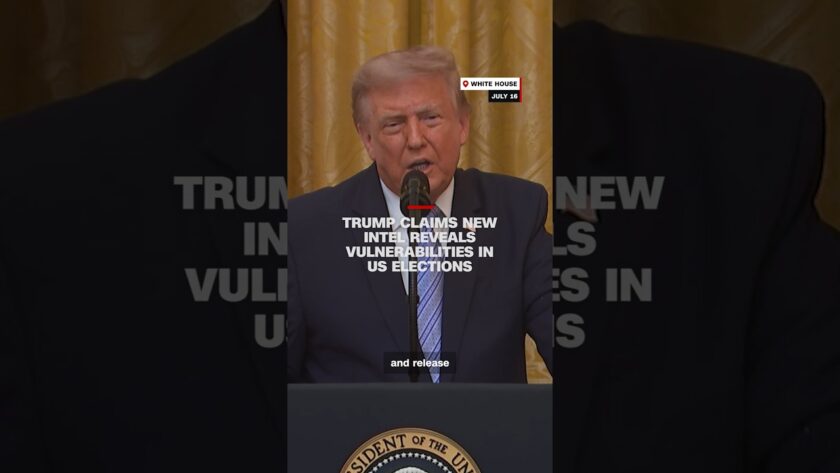
The geopolitical ramifications are considerable. Analysts speculate that the U.S. administration, led by President Donald Trump, did not anticipate the complexities that would arise from escalating hostilities in Lebanon. The war, initially seen as a strategic maneuver, has instead created a myriad of problems for the White House, causing friction in Israeli-American relations. Trump faces internal pressure for a firm stance on the conflict, yet his administration’s approach has received mixed reception domestically.
While Washington aims for a transformative relationship with Tehran, the avenue to achieving a stable peace is fraught with challenges. The delicate balance of power in the region is evident, with Lebanon serving as a critical negotiating chip for Iran, as the country navigates its dual role of diplomatic player and regional influencer.
Former diplomats have emphasized the importance of oversight mechanisms to ensure Iran adheres to any agreements made regarding its nuclear program. These negotiations are characterized by intricate dynamics, with a considerable emphasis placed on maintaining oversight from the International Atomic Energy Agency.
As talks remain postponed, the clock is ticking on the U.S.-Iran negotiations, with a two-month window closing rapidly. The possibility of further flare-ups in Lebanon and beyond casts shadows over prospects for a lasting agreement. The international community remains hopeful that ongoing diplomacy can mitigate further violence. Yet, the road ahead remains uncertain, with each step marked by the potential for renewed conflict.
In conclusion, as the situation unfolds, the interplay of military action, diplomatic efforts, and regional aspirations continues to shape a volatile landscape. The fragile ceasefire in Lebanon may signify a momentary pause in hostilities, but the underlying tensions underscore the precariousness of peace efforts in a region long plagued by conflict. The world will be watching closely as this narrative unfolds, awaiting signs of progress amidst the turmoil.