Mounting Tensions: U.S.-Iran Relations on the Brink of Conflict
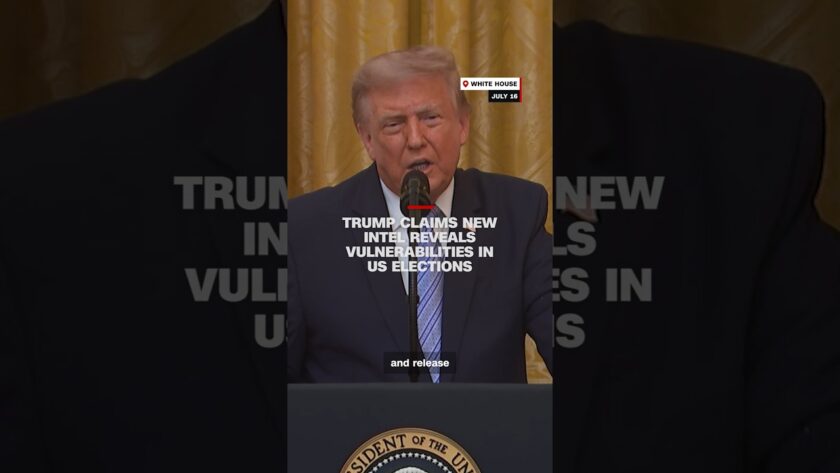
In a dramatic escalation of hostilities, the United States and Iran have exchanged strikes for a second consecutive night. President Trump has delivered stark warnings to Iran, suggesting that failure to reach a deal could lead to overwhelming military action, characterized by the president as “bombing the expletive out of them.” This rhetoric marks a significant shift in the U.S.’s approach, pivoting from attempts at diplomacy to the resumption of military strikes targeting Iranian military capabilities.
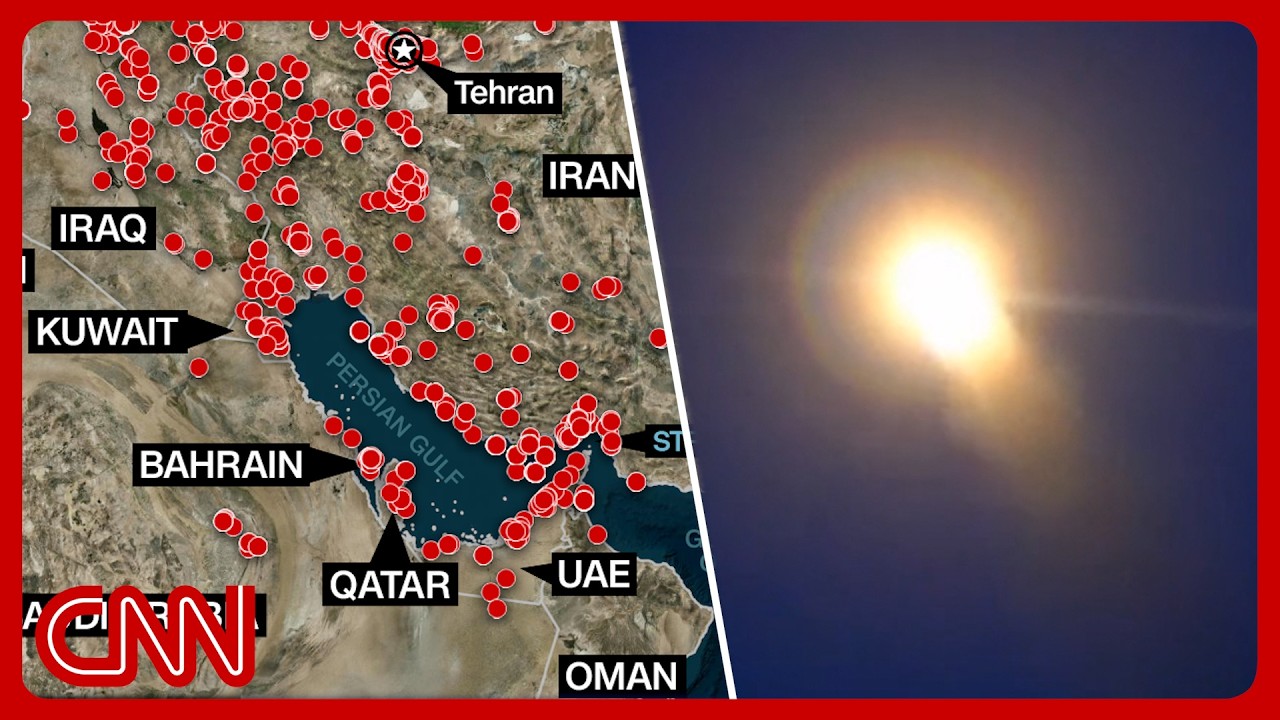
U.S. Central Command has confirmed its latest wave of bombings, aimed at Iran’s surveillance capabilities, communication networks, and air defense systems. Iran has decried this as a blatant ceasefire violation, retaliating by targeting U.S. bases throughout the region. Meanwhile, allied nations like Bahrain and Kuwait are fortifying their air defenses, and there are reports of Jordan intercepting twenty missiles launched from Iran. These developments have led to heightened fears of a broader conflict, particularly as Iran asserts control over the Strait of Hormuz, declaring it closed to all vessels until further notice. Central Command, however, contests this claim, maintaining that commercial shipping continues.
In recent remarks, President Trump expressed frustration with stalled negotiations, accusing Iran of dragging its feet. He indicated that the U.S. may now leverage air strikes as an unconventional bargaining chip, interpreting military pressure as a means to coerce Iran back to the negotiating table. This strategy reflects a stark departure from earlier approaches during the ceasefire, where diplomatic overtures were prioritized.
As political threats escalate, the sentiment among U.S. officials appears to tilt toward militaristic solutions. Defense Secretary Pete Hegseth echoed this sentiment, stating, "If we need to negotiate with bombs, we’ll negotiate with bombs." Such an approach raises concerns among observers regarding its efficacy; military actions historically have failed to yield successful negotiations with Iran and have often exacerbated tensions.
Reports from Tehran reveal starkly contrasting narratives from Iranian officials, who categorically deny having made demands to halt the bombardment. They suggest that ongoing military actions are counterproductive and warned that such provocations could lead to war. One senior Iranian official indicated that any future cooperation hinges on the U.S. halting its strikes; otherwise, full-scale war remains a real possibility.
Despite the grave situation, reports indicate that both sides retain an interest in reaching an eventual agreement. Diplomatic sources assert that discussions continue, albeit under mounting pressure and skepticism. The urgent desire for peace exists even as conflicts escalate; many regional observers hope for a resumption of dialogue to prevent all-out war.
Historically, the underlying mistrust and inability to communicate effectively have plagued U.S.-Iran negotiations. The Trump administration’s trustworthiness has been questioned, particularly given its inconsistent messaging and strategy over the course of the conflict. This volatility undermines diplomatic efforts and fuels a cycle of retaliatory actions, as seen in recent military strikes.
Moreover, regional dynamics complicate matters further. Israeli Prime Minister Benjamin Netanyahu recently emphasized that Israel is not at war with Lebanon, but rather with Hezbollah, which he perceives as a terrorist organization operating under Iranian influence. This external pressure from Israel adds another layer of complexity to the negotiations, as the U.S. and Iran must navigate not just their bilateral relations but also the broader regional attitudes and alliances.
The current state of unrest paints a troubling picture. Many experts see the pathway toward peace fraught with instability. The inclination to use military might instead of diplomatic channels raises questions about the future of U.S.-Iran relations. The efficacy of negotiating through threats remains highly questionable and history suggests that such tactics often backfire.
In sum, the U.S. finds itself at a pivotal moment. As military strikes escalate, the hope for a diplomatic solution hangs in the balance. Continued tensions could lead to a return of full-scale conflict, an outcome neither side desires, yet the current trajectory suggests a precarious path ahead. The international community watches with concern as both nations grapple with the pressures of war and the enduring hope for peace.