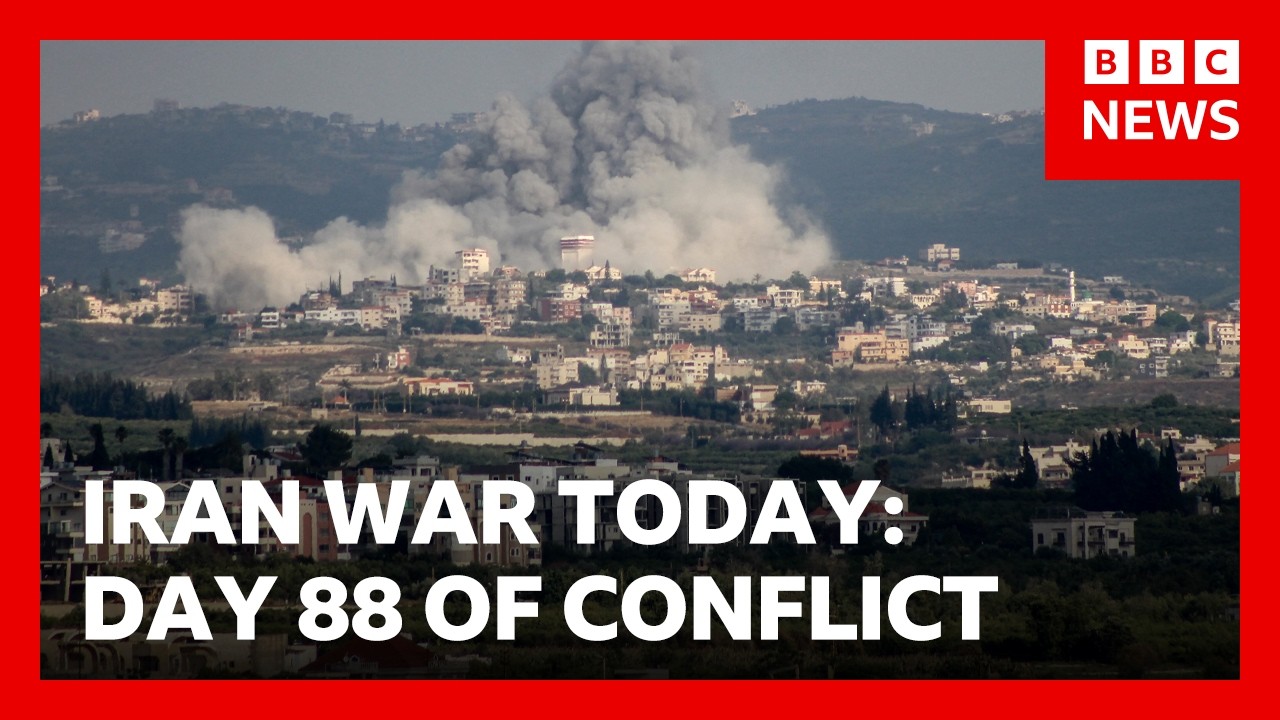
Day 88 of the U.S.-Israel War with Iran: Tensions Escalate Amid Diplomatic Attempts
As we delve into the ongoing conflict involving Iran, Israel, and the United States, day 88 of what is now referred to as the U.S.-Israel war with Iran reveals critical updates and emerging dynamics. Diplomatic efforts to forge a ceasefire persist; however, recent developments indicate that tensions are far from abating.
Today, the United States conducted airstrikes targeting Iranian positions, characterizing these actions as defensive measures. Secretary of State Marco Rubio emphasized that negotiations over a potential deal remain feasible, despite the complexity involved. He remarked, “It’s going to take a couple of days to settle on the disagreements,” highlighting the painstaking nature of international diplomacy under current pressure.
In Iran, the response was swift and incendiary. Authorities denounced the U.S. strikes as a blatant violation of the existing ceasefire, asserting the right to retaliate. Iran’s Supreme Leader, Moshtaba Hamani, articulated a resolute stance, indicating that Gulf states would no longer serve as safe havens for U.S. bases. This rhetoric illustrates a ramping up of tensions not just with the United States but also among regional allies.
In the backdrop of these military confrontations, significant changes within Iran have emerged. After a three-month internet blackout, connectivity has partially resumed. This development brings relief to many Iranians who were cut off from global communications, enabling them to reconnect with one another and regain access to information platforms.
Parallel to these events, Israeli military operations in Lebanon have intensified following Prime Minister Benjamin Netanyahu’s declaration of renewed warfare against Hezbollah. Israeli airstrikes targeted numerous Hezbollah locations, and reports suggest that both sides are engaged in active combat, raising fears of further casualties among civilians.
Netanyahu’s government is adamant that their military campaign serves as self-defense against continued drone threats from Hezbollah. The situation on the ground appears dire, with civilian casualties mounting—a reality that underscores the tragic toll of conflict on innocent lives.
From Washington, reports indicate that there is an attempt to downplay the significance of the U.S. airstrikes and their implications for ongoing negotiations. Tom Simons, our correspondent, noted that the U.S. administration is keen to avoid any perception of a breach in the ceasefire, as this could derail the fragile discussions aimed at restoring stability in the region.
Amid these military escalations, diplomatic maneuvering continues. Recent discussions between Iranian negotiators and officials from Qatar indicate that there is still hope for a breakthrough, particularly regarding the unfreezing of Iranian assets—a key demand in their negotiations. However, specifics remain elusive, and confidence in the negotiations fluctuates as military actions unfold.
The geopolitical landscape is complex, interwoven with decades of animosity, political brinkmanship, and shifting alliances. The Israeli military’s expansion of ground operations into Lebanon raises questions about the broader strategic objectives of the Netanyahu administration, especially when juxtaposed with ongoing negotiations between the U.S. and Iran.
In summary, the conflict encapsulated by day 88 of the U.S.-Israel war with Iran demonstrates a precarious balance between military aggression and diplomatic efforts fraught with difficulty. As actions on the ground intensify, the hope for a diplomatic resolution remains tenuous, underscored by the ever-present risks of escalation. The coming days will be pivotal not only for the immediate stakeholders but for global security, especially concerning energy markets and regional stability.