The Polling Landscape: Evaluating the Democratic Advantage in Upcoming Elections
In the intricate world of politics, narratives often form around polling data, leading us to focus on singular interpretations. However, it is essential to recognize that multiple narratives can coexist, particularly in election cycles marked by significant variance in poll results. The recent fluctuations in polling regarding Democrats’ standing for Congress illustrate this point vividly.
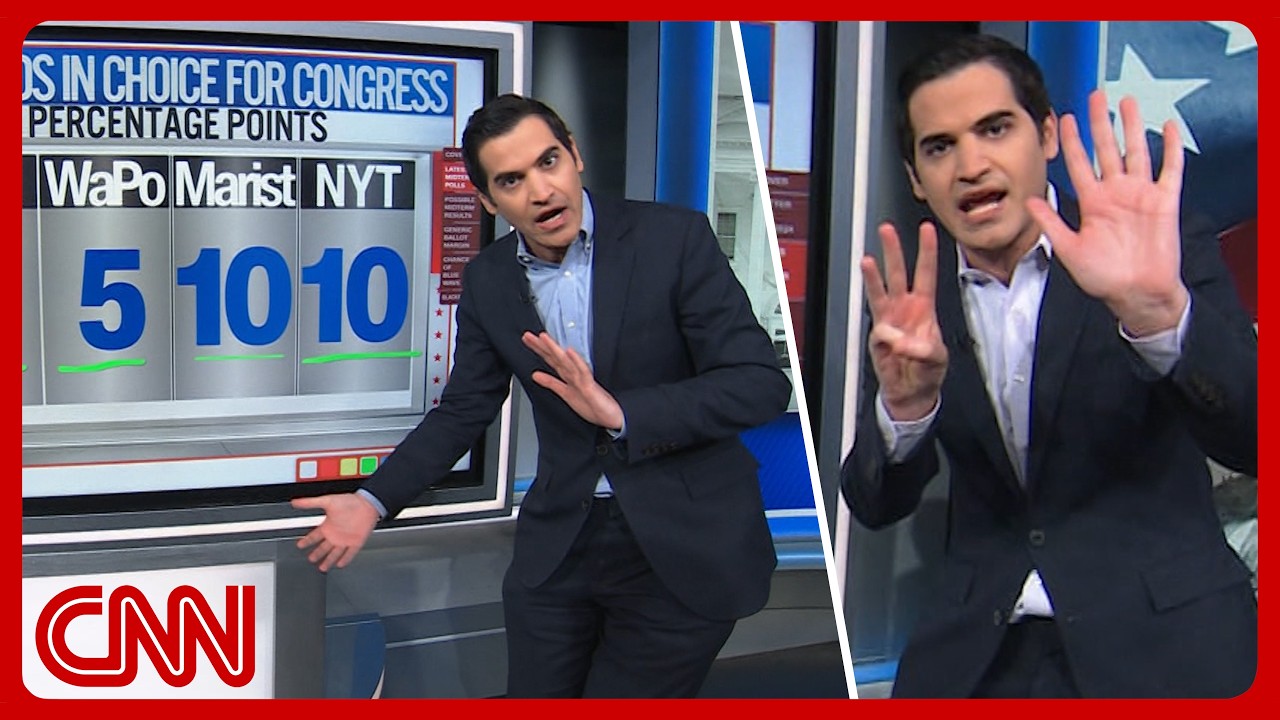
Polling data has consistently shown conflicting outcomes. For instance, the New York Times and Marist polls indicated a solid ten-point lead for Democrats, while a Washington Post poll revealed a much narrower five-point advantage. Similarly, Fox News reported a five-point lead, and CNN’s polling last week showed only a three-point difference. This range of data highlights the polling landscape’s inherent uncertainty, shaped by margins of error and the reality that elections are not held until November.
The implications of these polls extend beyond mere numbers. For example, a ten-point lead could translate into a substantial gain of 20 to 30 seats in the House of Representatives. Conversely, a mere three-point advantage might yield negligible or even negative outcomes for Democrats, resulting in potential losses for them. Thus, while Democrats may be favored to regain control of the House, the extent of their victory remains uncertain.
As we analyze this complicated tapestry of polling data, averaging the results provides a clearer picture. The average indicates a significant shift towards Democrats, from being four points behind last fall to now leading by seven points in the aggregate. Should this trend persist, it would likely result in a decisive Democratic majority. According to recent estimates, Democrats have a 69% chance of gaining seats in the upcoming midterms, suggesting a favorable landscape for their objectives.
Yet, the question remains: what does this mean for the Republicans? Historically, incumbent presidents’ sub-40% approval ratings have led to disastrous outcomes for their parties in midterm elections. A closer look reveals that both Richard Nixon and George W. Bush faced significant losses during their respective second terms when their approval ratings floundered below this critical threshold. Current polling for Donald Trump mirrors this trend, with his approval ratings consistently under 40%. The ramifications for Republican candidates in upcoming elections could be severe if these trends continue.
In examining public sentiment, it becomes apparent that Trump’s initial promises of economic betterment have faltered over time. Only 14% of Americans, down from 44% in October 2024, now believe they are financially better off due to his presidency. Among independents, this number plummets to just 8%. Moreover, even traditionally loyal demographics, such as non-college-educated white voters, are now expressing dissatisfaction with Trump’s economic impact.
These shifts are pivotal as they reflect a broader trend of disillusionment among key voter segments. The independents, becoming increasingly critical of Trump, are crucial in determining electoral outcomes. Historically, the independent vote has swayed elections, and current opinions suggest a pivot away from Trump, indicating potential challenges for Republicans seeking to retain these voters’ support.
Further complicating the Republican narrative is the role of Trump’s endorsements in primaries. While party loyalty remains strong among Republican voters, the disconnect between primary candidates’ popularity and overall electoral viability is striking. For instance, in Texas, while Trump’s endorsement may bolster Ken Paxton within the Republican primary electorate, polling data suggests his general election viability is questionable, as he polls significantly lower than his Democratic opponent.
In conclusion, the upcoming elections will hinge on the Democrats’ ability to harness positive polling trends and translate them into tangible electoral gains. Conversely, the Republicans face considerable challenges as they navigate a landscape marked by dwindling support for Trump and increasing disillusionment among essential voter demographics. The evolving nature of these dynamics underscores the significance of continued vigilance in interpreting polling data, as both parties prepare for the electoral clashes ahead.