Is Patience Running Thin for Russia in Ukraine War?
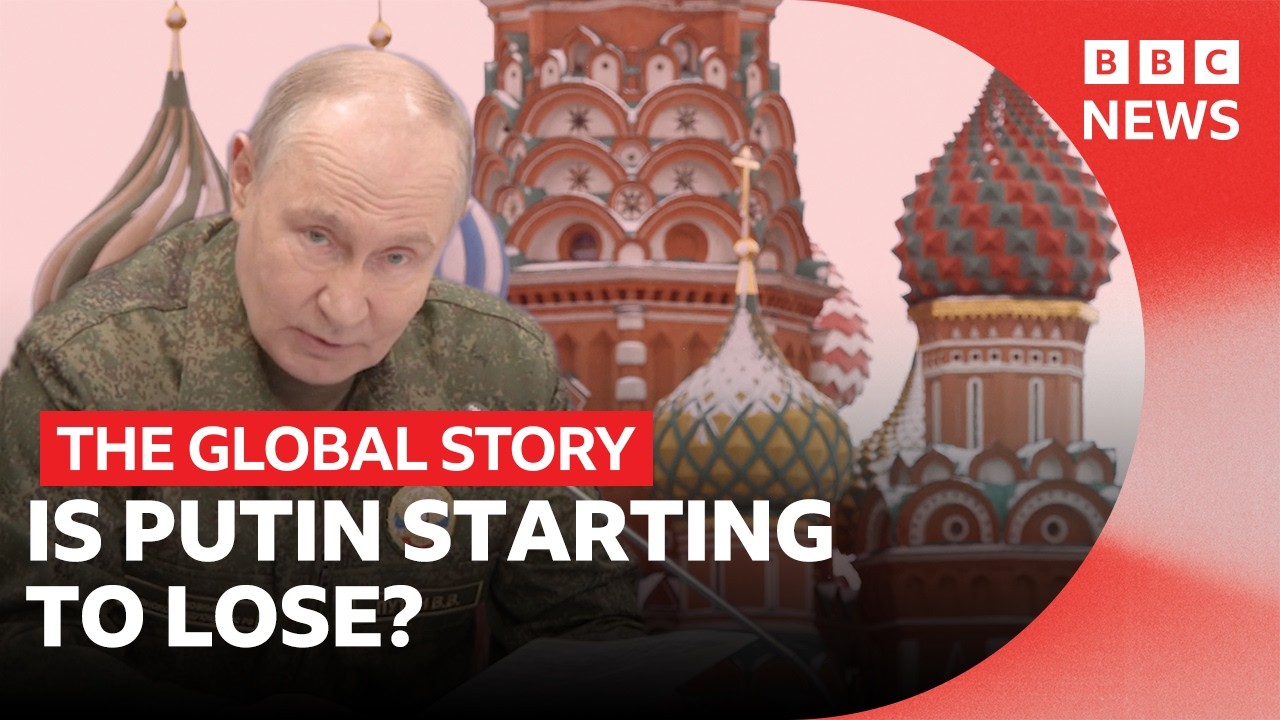
As the war in Ukraine drags on, a palpable sense of frustration is emerging within the Russian populace. Recent developments suggest that Russian citizens are increasingly disillusioned with the ongoing conflict, while President Vladimir Putin appears to be navigating uncharted territory. This week, amidst a NATO summit in Turkey, President Trump is expected to hear a united European stance signaling a shift in momentum against Russia, not only on the battlefield but also at home.
The Russian capital, Moscow, is feeling the war’s consequences keenly. Following a surge of Ukrainian drone strikes, which are targeting Russian energy infrastructure, many Russians are grappling with fuel shortages. In an unusual move, President Putin publicly acknowledged these difficulties, suggesting that the façade maintained by state-controlled media might be falling apart. His admission, however dismissive, carries significant implications; he merely stated that while there are challenges with fuel supplies, the situation is "under control." However, many in Russia are questioning that narrative.
The dynamics of the war have shifted, particularly due to Ukraine’s technological advancements in drone warfare. These innovations have not only stalled Russian advances at the front lines but have also brought the conflict into Russian cities. Ukrainian drones are increasingly penetrating Russian airspace, targeting military installations and energy sources, significantly affecting everyday life for ordinary Russians. The psychological impact of these strikes is profound; dramatic images of explosions and smoke are circulating on social media, creating a stark reality that contradicts state narratives.
Moreover, the perception of the war within elite circles is shifting. The previously insulated Russian middle class, particularly in Moscow and St. Petersburg, is beginning to feel the pinch. Social media is rife with frustration over fuel shortages, highlighting an alarming disconnect between the government’s portrayal of the conflict and citizens’ lived experiences. Comments questioning the war’s continuing course are surfacing, indicating a growing discontent that could pose a threat to Putin’s grip on power.
Surveys reflect this sentiment starkly. One recent poll indicated that a staggering 81% of respondents favor ending the war immediately, with only 9% supporting a prolonged conflict for victory. Such figures are alarming for the Kremlin and may suggest a waning public tolerance for a war that has cost the nation dearly in terms of both human and economic resources.
Ukraine continues to pressure Russia’s hold on Crimea, a strategically significant peninsula. By targeting energy infrastructure and logistical channels, Ukraine aims to cut off Russian resources and diminish morale among soldiers stationed there. Reports indicate that Crimea is now experiencing fuel shortages severe enough to warrant a state of emergency, which could further inflame Russian public sentiment and, by extension, pressure on the leadership.
Despite visible challenges, Putin remains defiant. Recent attacks on Ukrainian civilian targets emphasize that while the war may be turning against him, he is still capable of inflicting damage. However, such strategies could prove counterproductive, consolidating international sympathy for Ukraine and further alienating the Russian populace.
Analysts suggest a critical juncture lies ahead. Putin may have underestimated the war’s impact on Russian citizens. As the conflict continues, a heightened civilian consciousness regarding the war could emerge, threatening his rule. While armed forces still possess considerable power, sustained public dissent combined with operational setbacks could destabilize his presidency.
In the midst of these developments, President Trump’s expected interactions with European leaders may catalyze further discussions around the conflict. While it remains unclear whether this could lead to a significant shift in U.S. policy, Ukraine’s increasing self-reliance suggests that it is carving its path forward, independent of external support.
As the war continues to reshape both Ukraine and Russia, the stakes have never been higher. The enduring question remains: How long can Putin maintain his grip amidst swelling discontent at home and an unwavering opposition in Ukraine? The dynamics of warfare are unpredictable, and with public patience running thin, the coming months could usher in critical shifts that alter the landscape for both nations.