Escalating Tensions: Russia’s Recent Attacks and the Implications for NATO
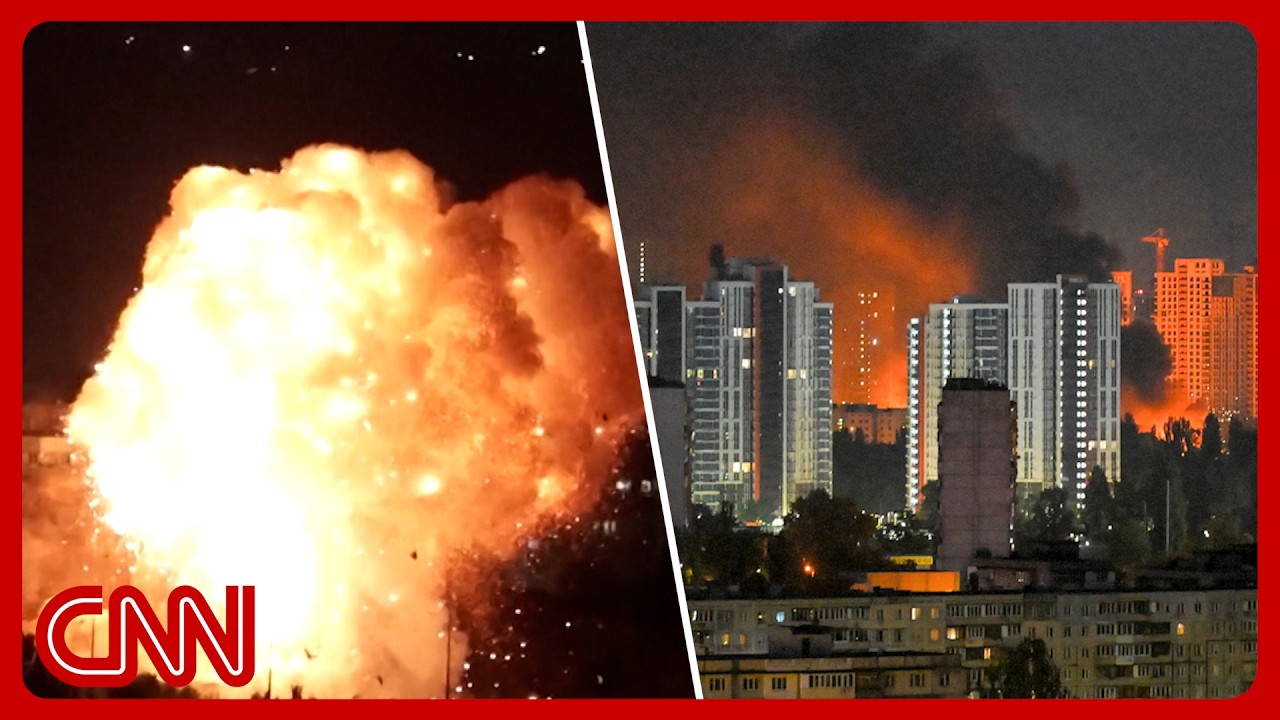
In a sign of escalating conflict, Kyiv, the capital of Ukraine, experienced another severe Russian attack, marked by powerful explosions and the tragic loss of at least 12 lives. This recent onslaught included a barrage of ballistic missiles and drones that targeted urban areas, highlighting the ongoing threat faced by the Ukrainian populace. The attacks underscore the brutal reality of a war that has been characterized by relentless aggression and prolonged suffering.
Ukrainian President Volodymyr Zelensky had warned of an impending large-scale attack prior to the violence, marking this as Russia’s second significant assault on Kyiv in just four days. Just last week, a devastating drone and missile attack claimed 30 lives, making it the deadliest strike of the year. While this recent strike was slightly smaller in scale, it still featured a staggering 68 missiles launched alongside 351 drones. Despite Ukraine’s air defense systems successfully intercepting 37 missiles, the failure to stop any ballistic missiles raises urgent concerns about the country’s defense capabilities. According to Zelensky, this shortcoming stems from a lack of interceptor missiles, an issue set to be at the forefront of discussions during the upcoming NATO summit.
The context of these military actions reveals a creeping reciprocal aggression. The Russian Ministry of Defense reported shooting down 519 Ukrainian drones across various regions, indicating a tit-for-tat escalation in military engagements. Specifically, the Leningrad region, hosting Russia’s second-largest city, Saint Petersburg, has reportedly faced damage to critical infrastructure and rolling power outages—indicators that the conflict is extending beyond Ukrainian borders.
Amid these developments, dialogue surrounding military aid to Ukraine intensifies. The NATO summit presents a pivotal opportunity for Zelensky to advocate for urgent air defense support. With the striking numbers from the recent attacks, particularly the penetration of ballistic missiles, Zelensky is likely to emphasize the pressing need for advanced defensive capabilities. He aims to procure the necessary technology to produce Patriot missiles domestically, a critical step in reinforcing Ukraine’s defenses.
Conversely, discussions at the summit will also involve U.S. President Donald Trump, who is navigating complex relationships with both NATO allies and figures like Turkish President Recep Tayyip Erdogan. Trump’s historical skepticism toward European allies, regarding their defense spending commitments, poses additional challenges. His insistence on a 5% GDP defense spending target, drawn from previous treaties, is expected to dominate conversations.
The summit’s atmosphere reflects broader geopolitical tensions. In the wake of the ongoing Russian aggression, the U.S. faces mounting pressure to reaffirm its commitment to Ukraine’s sovereignty while simultaneously managing its relationships with NATO allies. Various European states have shown increased determination to bolster their military expenditures, yet inconsistencies remain, particularly with nations that have not met their defense spending obligations.
The implications of these discussions extend far beyond immediate military assistance. The recent Russian strikes, particularly their timing around the NATO summit, serve as a clear provocation, challenging the unity and resistance of the NATO alliance. Observers are concerned about how Trump’s relationship with world leaders, particularly Putin, may affect the outcome of these negotiations. The overarching sentiment is that NATO leaders must convey a robust message of solidarity in response to such aggression, reasserting their commitment to European security.
Congressman Brad Schneider, a member of the House Foreign Affairs Committee, highlighted the significance of the summit in addressing the defense needs of Ukraine amid ongoing Russian assaults. The emphasis on unity among NATO countries and the commitment to aid Ukraine remains crucial, especially given the recent losses in Kyiv.
As tensions run high, the NATO summit will not merely be an opportunity for leaders to discuss military strategy; it will be a critical juncture to reaffirm alliances, strategize responses to aggression, and aim for long-term stability in a region plagued by conflict. The dynamics of these discussions—between safeguarding Ukraine’s autonomy and ensuring diplomatic relations with key players—will be pivotal in shaping the future course of this ongoing crisis.