Tensions Escalate Amid Negotiation Efforts in US-Israel-Iran Conflict
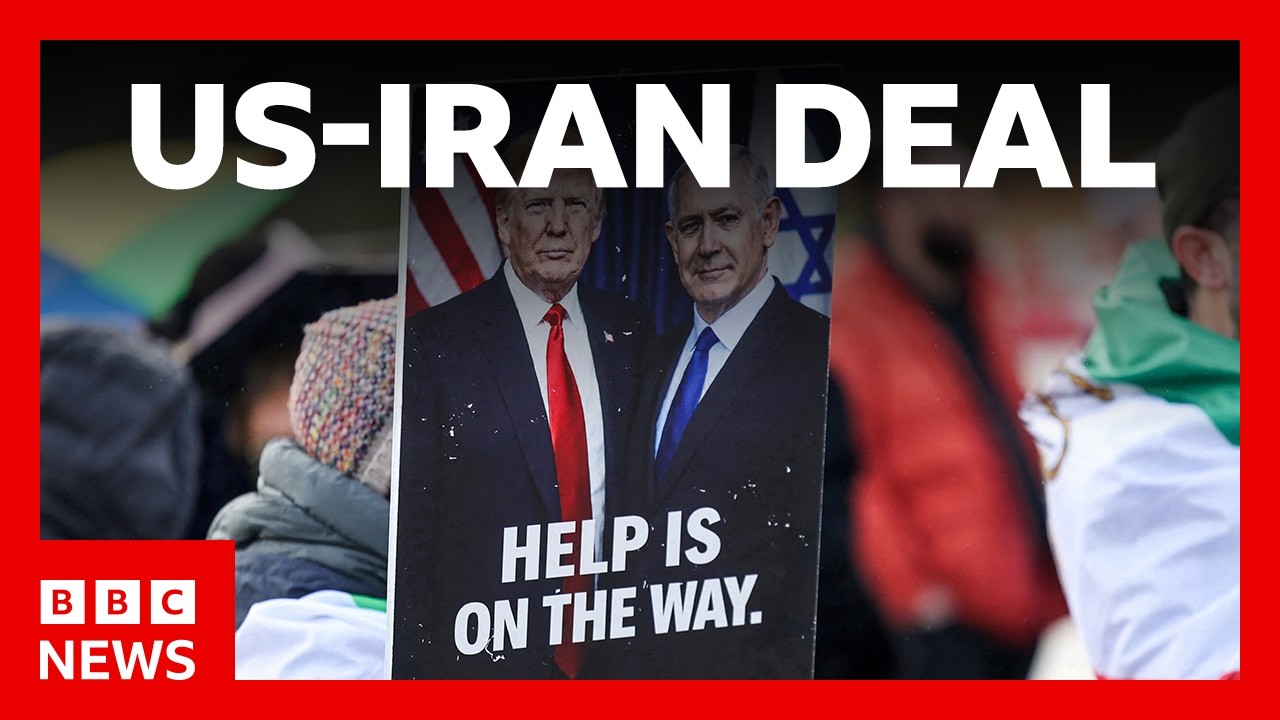
As Day 91 of the ongoing conflict between the United States, Israel, and Iran unfolds, significant developments emerge that could reshape the situation in the Middle East. In a surprising turn, former President Donald Trump announced via social media that he has lifted the U.S. blockade on Iranian ships transiting the contentious Strait of Hormuz. This statement coincides with Iran’s insistence that it demands both a financial gain and assurances before any negotiations can progress.
Iran’s chief negotiator expressed skepticism about the viability of the United States’ commitments, underlining the deep mistrust that characterizes these ongoing discussions. Reports suggest that Tehran is seeking around $12 billion linked to its frozen assets as part of any preliminary agreement.
The geopolitical landscape has been steadily shifting as Israeli and Lebanese representatives convene in Washington, D.C., following a week marked by heavy Israeli airstrikes across southern Lebanon. Analysis from BBC Verify will provide insights into these developments, showcasing the far-reaching implications of the ongoing military actions.
Analyzing Trump’s Declaration and Iranian Skepticism
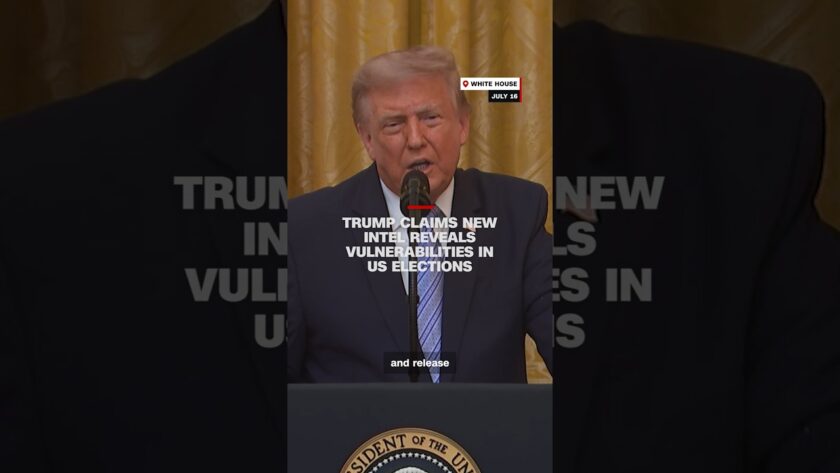
Trump’s declaration that American ships may now traverse the Strait of Hormuz without obstruction is not merely a transactional move but has broader implications for peace negotiations in the region. He stated on Truth Social that the U.S. aims to ensure Iran never possesses a nuclear weapon while calling for the immediate reopening of the Strait. The crux of the issue, however, lies in the sequencing that both parties have proposed. While Trump suggests a reciprocal exchange—where Iran first opens trade routes and the U.S. lifts the blockade—Iran insists that any action must initiate with U.S. concessions.
The Resistance Framework, which reportedly outlines a methodical approach to negotiations, has also sparked skepticism given the sensitive nature of nuclear discussions. For Iran, permitting U.S. access to nuclear sites to unearth enriched uranium is seen as a drastic measure that they are unlikely to acquiesce to without significant guarantees. This disconnect raises vital questions about the legitimacy and feasibility of a long-term agreement.
Humanitarian Concerns Amid Military Escalations
Meanwhile, the situation remains dire for ordinary Iranians. Economists forecast that the war could shrink Iran’s economy by 10%, pushing millions more into poverty. In light of this, Iran’s leadership is under increasing pressure to alleviate sanctions and regain access to its financial resources. The opening of internet access after a prolonged blackout has reignited a sense of agency among citizens; yet, the regime faces daunting challenges in addressing public discontent exacerbated by external conflicts.
In Lebanon, escalations have resulted in significant casualties, with hundreds reported killed amidst ongoing Israeli strikes—an indiscriminate strike that has left fragile civic structures devastated. The Israeli government has recently expanded operations into southern Lebanon, justified as necessary for national security against Hezbollah. Despite claims of military precision, the collateral damage speaks volumes about the humanitarian crisis unfolding as civilians are forced to flee.
The Market’s Reaction and International Implications
As tensions continue to simmer in the Middle East, financial markets appear cautiously optimistic. U.S. stock markets are experiencing growth amidst hopes for a peace agreement. Oil prices have fallen below $100 per barrel, reflecting an emerging belief that an accord could herald stability in the region. Analysts suggest that while the COVID-19 pandemic and global economic shifts have driven prices, geopolitical resolutions like the reopening of the Strait of Hormuz could engender further financial stability.
This optimism is not uniform, as the geopolitics surrounding Chinese influence in the region remains a point of concern among international leaders. As the Shangri-La Dialogue defense conference approaches, discussions will likely focus on the ramifications of the U.S.-Israel-Iran conflict and its implications for broader Asian security.
Conclusion
The road ahead remains fraught with uncertainty. Both the United States and Iran find themselves at a crossroads, with their respective political landscapes demanding action yet fraught with consequences. While the prospect of a deal may quell some immediate tensions, the underlying issues—especially related to Iran’s nuclear capabilities—require far deeper negotiations. As the situation continues to evolve, leaders across the globe will be watching closely, realizing that any misstep could prompt a resurgence of conflict, further destabilizing an already volatile region.