Iran and the U.S.: A Complicated Diplomatic Landscape
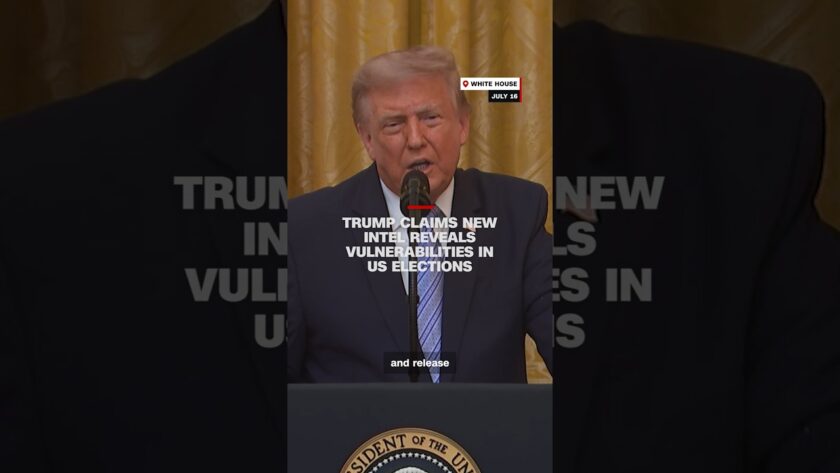
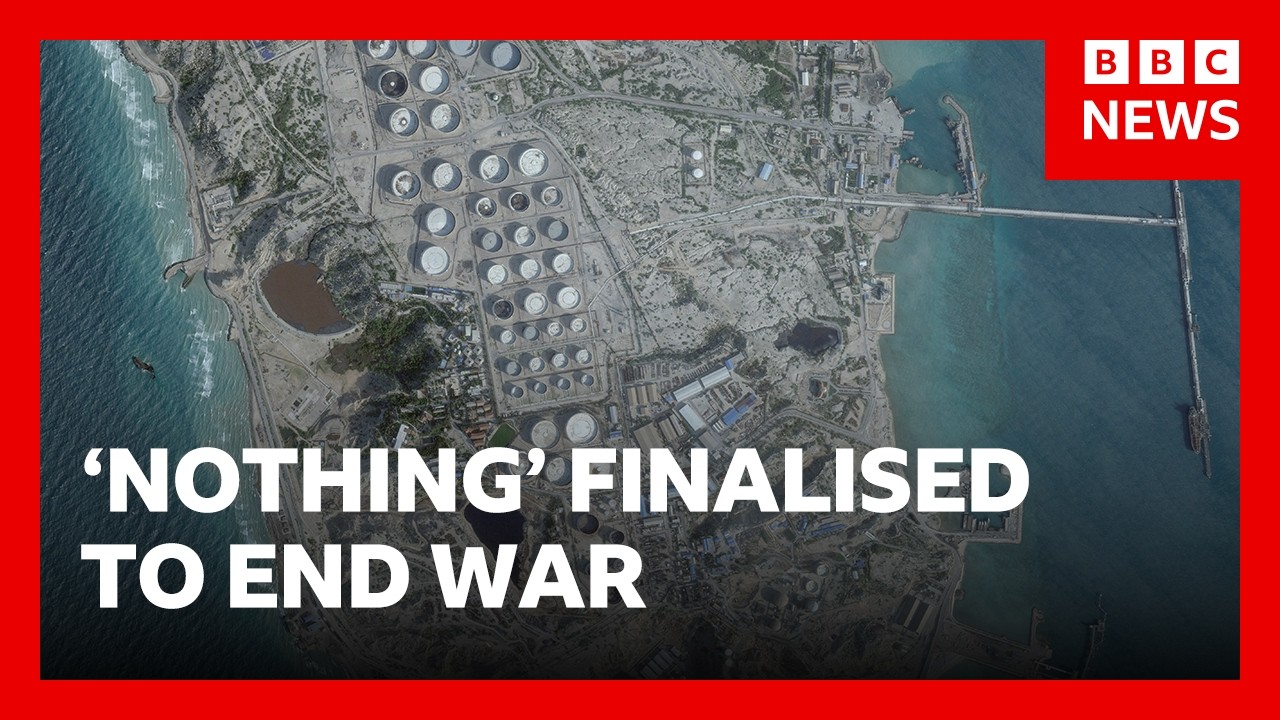
Iran’s position regarding a potential deal with Washington remains noncommittal, despite President Donald Trump’s assertions that an agreement to resolve hostilities is imminent. Tehran has reiterated that while it is reviewing a proposed text for the agreement, it is steadfast in adhering to its established red lines. This refusal to yield occurs against the backdrop of a mixed narrative, as past claims by Trump that a resolution was close have now turned into a trend of escalating tensions.
In a recent announcement that coincided with Trump’s claims, the rhetoric became increasingly aggressive, with the President stating he would "hit Iran very hard." This declaration raises questions about the true nature and future of U.S.-Iran relations. To understand these complexities better, we turn to Middle East analyst Luciano Zaccara for insight.
Zaccara notes a troubling ambiguity in the communications surrounding these negotiations. "One side, Trump, insists a deal is done, while Iran maintains that no agreement exists whatsoever," he explains. This juxtaposition illustrates the chasm between the two nations’ expectations and realities. Additionally, Zaccara points to a concerning trend: Trump has increasingly normalized the use of military threats as a tool in diplomatic negotiations. This approach is not merely an isolated tactic but seems to be a hallmark of his administration’s strategy.
The normalization of violence complicates the landscape further. The dynamics among the three key players—Israel, Iran, and the United States—have shifted to a precarious equilibrium characterized by daily military skirmishes and threats. In previous negotiations, such as those leading to the Joint Comprehensive Plan of Action (JCPOA), diplomatic discussions thrived in an environment devoid of violent confrontation. Now, we find ourselves in a scenario of continuous military engagements amidst half-hearted negotiations.
When asked about the motivations behind Trump’s approach, Zaccara suggests that the President’s primary goal centers on preventing Iran from acquiring nuclear weapons. Trump has framed the narrative in such a way that it implies Iran has recently committed to foregoing this pursuit—a claim that diverges from historical discourse. Since the inception of the JCPOA under the Obama administration, Iran has maintained that it had no intention of developing nuclear weapons. The rhetorical shift seems to serve Trump’s need to present an achievement that he can tout to his supporters.
However, Zaccara postulates that what Trump seeks may also be influenced by a desire to craft a deal that appears superior to the JCPOA of 2015. Yet, the foundation of such negotiations appears to rest on pre-existing assurances from Iran, without any significant new concessions being offered. The absence of discussions regarding Iran’s missile capabilities or the geopolitical stability of critical maritime routes, such as the Strait of Hormuz, further highlights gaps in the potential agreement.
At the crux of this malevolent mix of rhetoric and reality lies a president who appears to be negotiating from a position of force rather than diplomacy. This strategy carries profound implications not just for U.S.-Iran relations but for regional security as a whole. By coupling military threats with diplomatic overtures, Trump risks undermining the very stability he claims to seek.
As the situation evolves, analysts and observers alike will continue to scrutinize the tactics employed by both sides. The stakes are high, and the outcomes uncertain. The cycle of mixed messages, military threats, and diplomatically charged communications reveals a complex landscape that defies easy resolution. It will be crucial to monitor developments closely, as both Iran and the United States navigate this fraught terrain of diplomacy amid escalating tensions.
In summary, as we stand at this crossroads, it becomes clear that successful diplomacy will require more than mere rhetoric; it necessitates genuine engagement, mutual understanding, and a commitment to de-escalation. In the absence of these elements, the prospect of achieving a lasting agreement remains faint.