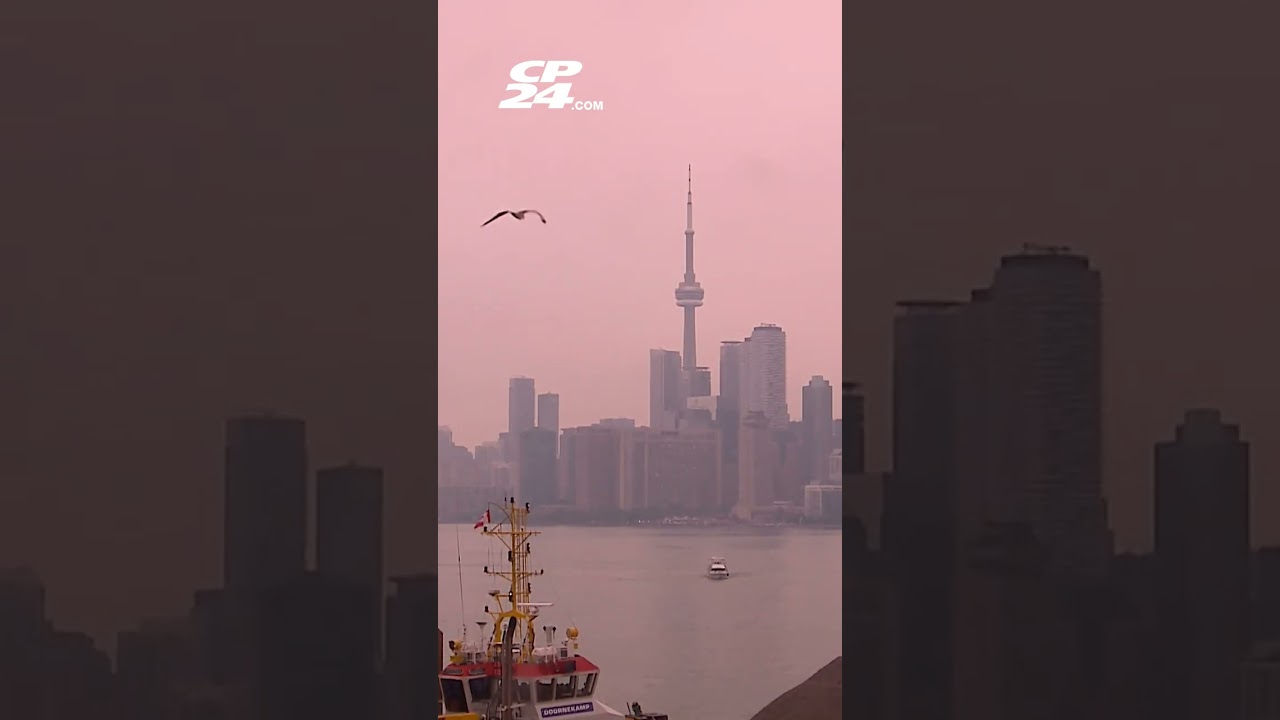
Preparing for Air Quality Challenges: Individual and Societal Solutions
As we face increasing environmental challenges, particularly related to air quality, both individual and collective actions are crucial in mitigating the impact on our health and well-being. Air quality issues can stem from a range of factors, including wildfires, industrial emissions, and urban pollution. While these large-scale problems often feel overwhelming, there are effective strategies we can employ at both personal and societal levels to protect ourselves and ensure safe environments for everyone.
Individual Preparedness
On an individual level, specific actions can significantly improve the quality of air we breathe inside our homes. One of the first steps you can take involves upgrading your home’s central air system. High-quality air filters tailored for your specific system can capture a considerable amount of airborne particles. Equipping your system with the best filters available not only enhances efficiency but also plays a vital role in reducing indoor air pollutants.
In addition to relying on central air conditioning, consider investing in portable air purifiers. These devices can be strategically placed throughout your home to address areas that might be more susceptible to poor air quality. They are particularly effective in spaces where activities might generate additional dust and particulates, such as kitchens or home offices.
When venturing outdoors, you might confront challenging conditions, especially when air quality is compromised. A high-quality mask, especially one that fits well and has a good filtration system, can dramatically reduce your exposure to harmful particles. Selecting a mask designed for air quality protection can offer peace of mind while allowing you to carry on with essential outdoor activities.
Community Initiatives
While individual actions can create a significant difference, addressing the issue of air quality requires a concerted effort at the societal level. Communities must ensure that resources are available for all, particularly for those who do not have access to air conditioning or face economic hardships.
One important step is the establishment of clean air shelters. These designated spaces provide safe havens for individuals who require cooling areas during extreme heat or heightened pollution levels. This is especially crucial for vulnerable populations, including the unhoused, who may have limited options for protection against poor air quality. Local governments and organizations should prioritize accessibility and availability in these initiatives, ensuring that everyone has a place to go during hazardous conditions.
Moreover, it is vital to examine and improve the distribution of air conditioning and purification systems across communities. Many areas lack the infrastructure needed to mitigate heat and clean air effectively. By expanding access to these resources, communities can better prepare themselves for combined heat and smoke events.
The Need for Sustainable Solutions
Ultimately, addressing air quality challenges will involve a broader discussion about environmental sustainability and public health. We must advocate for policies that not only respond to immediate health risks but also address the root causes of pollution and climate change. Collaborating with local advocacy groups, participating in public forums, and pushing for regulatory changes can empower citizens to influence the trajectory of air quality in their regions.
In conclusion, while the challenge of ensuring clean air may be daunting, individual and societal strategies can work together to create safer, healthier environments. By taking proactive measures at home, such as using high-quality air filtration systems and purifiers, we can protect our indoor spaces. Simultaneously, advocating for community resources, like clean air shelters, can help those who are most in need. Together, through awareness and action, we can foster resilience against the ongoing threats to our air quality and well-being.