The Shifting Landscape of American Politics: The Case of Graham Platner
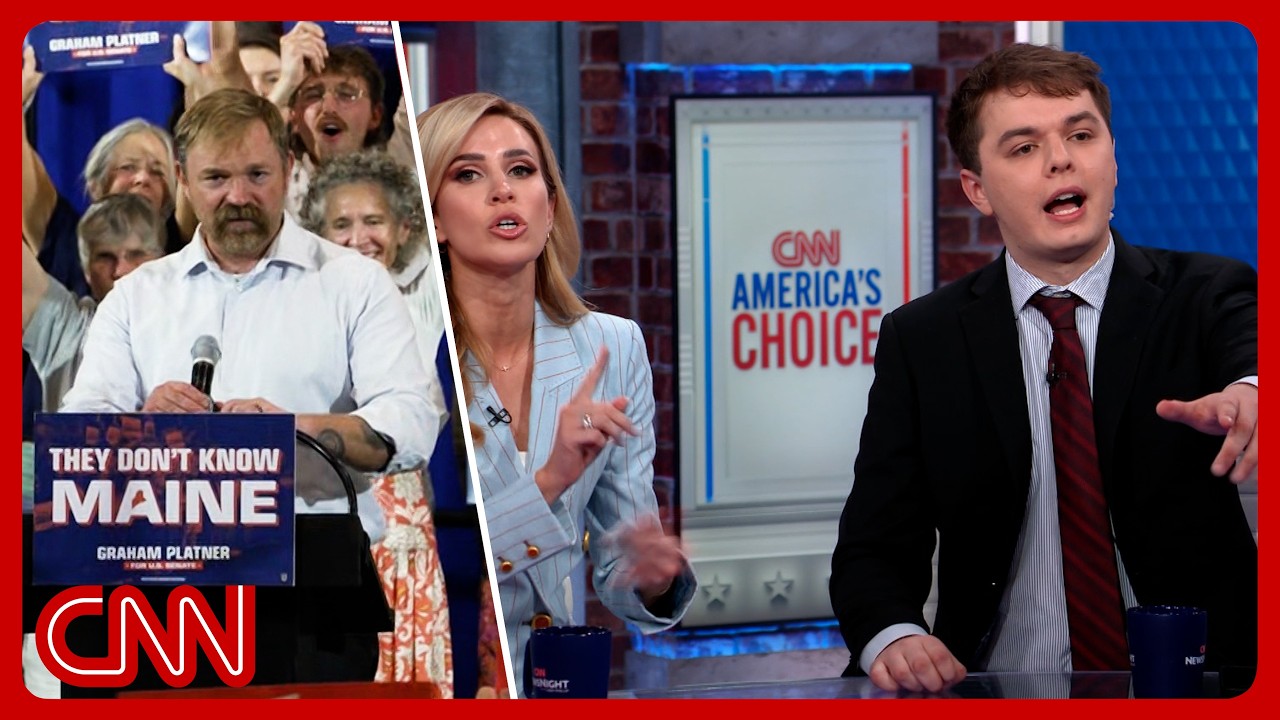
The American political arena is undergoing a transformation. What once constituted traditional political norms is now being upended by a new wave of candidates and approaches. In this climate, figures like Graham Platner have emerged, symbolizing a post-cancellation style of politics heavily embraced by some factions of the Republican Party. Platner’s controversial background raises questions about electoral standards and the dynamics of public trust.
Historically, the Republican Party has lowered thresholds for its candidates, leading many to ask: what constitutes a high standard? While Democrats often hold their candidates to rigorous standards, the inconsistencies within the Republican Party’s approach are glaring. Take Donald Trump as a prime example. His infamous dinner with far-right figure Nick Fuentes did not elicit the same pearl-clutching as Platner’s much-discussed tattoo, a symbol that many have rightly labeled as Nazi imagery. Yet, in the political discourse, the focus often shifts to trivialities rather than substantive issues.
Democratic leaders often find themselves embroiled in a dilemma. Should they engage in what could be termed "low politics," or should they strive to hold fast to a higher moral ground? There is a growing sentiment that Democrats feel compelled to match Republican tactics at their own game. This adversarial mentality often reframes discussions into contests between flawed candidates, such as Platner and Susan Collins. While Collins has historically aligned with many of Trump’s painful policies—including cuts to healthcare that disproportionately impact working families—her role is frequently cast in a more favorable light.
Interestingly, Platner recently won a Democratic primary by adopting aspects aligned with Trump’s populist platform. This includes promises against foreign intervention and addressing issues faced by middle-class Americans—a message reminiscent of Trump’s original "drain the swamp" narrative. The irony is palpable; a candidate who stands in opposition to the establishment of his party is finding resonance among voters disillusioned with traditional political figures.
Importantly, Platner’s appeal cannot merely be attributed to his policies. In an era where conventional masculinity is under scrutiny, his rugged exterior presents an image that contrasts sharply with the more polished demographics within the Democratic Party. This sartorial distinction plays a vital role in his appeal to disaffected voters who yearn for a different kind of representation.
Yet, voters cannot easily disentangle Platner’s persona from his problematic history. Critics argue that voters might overlook these parts of his story in favor of the new narrative he offers. However, the skepticism surrounding his authenticity remains prominent. His initial claims about being an oyster farmer were unveiled as misleading, which raises doubts about his sincerity and relatability as a candidate of the working class.
Equally crucial is the political backdrop in which he operates. The Senate has reached a strikingly low approval rating of 12%, prompting a growing disenchantment with incumbents like Collins, who is now running for her sixth term. Candidates like Platner frame themselves as disruptors, promising change that voters are increasingly seeking.
Then there’s the current state of California politics. The emergence of Republican candidates in a historically Democratic stronghold underscores the shifting electorate. Disenfranchised voters, particularly around issues like homelessness that plague the state, reflect a broad discontentment with established leadership. When a moderate Republican like Steve Hilton earns a spot in the gubernatorial runoff, it signals a crack in the Democratic façade, possibly heralding further changes in voter dynamics.
In essence, the political landscape is indeed evolving. Candidates from both parties navigate a maze of public perception and past missteps, all while trying to align with the shifting concerns of an electorate that demands authenticity and effective solutions to pressing issues. As the political stakes grow higher, the outcomes of races featuring figures like Graham Platner will prove pivotal in shaping not only party strategies but also the narrative of American politics moving forward. The battle for the hearts and minds of voters is not just about policies; it’s about which candidates can truly resonate with their experiences, flaws and all.