The Evolving Dynamics of Business and Diplomacy: A Tale of Trump and Musk in Beijing
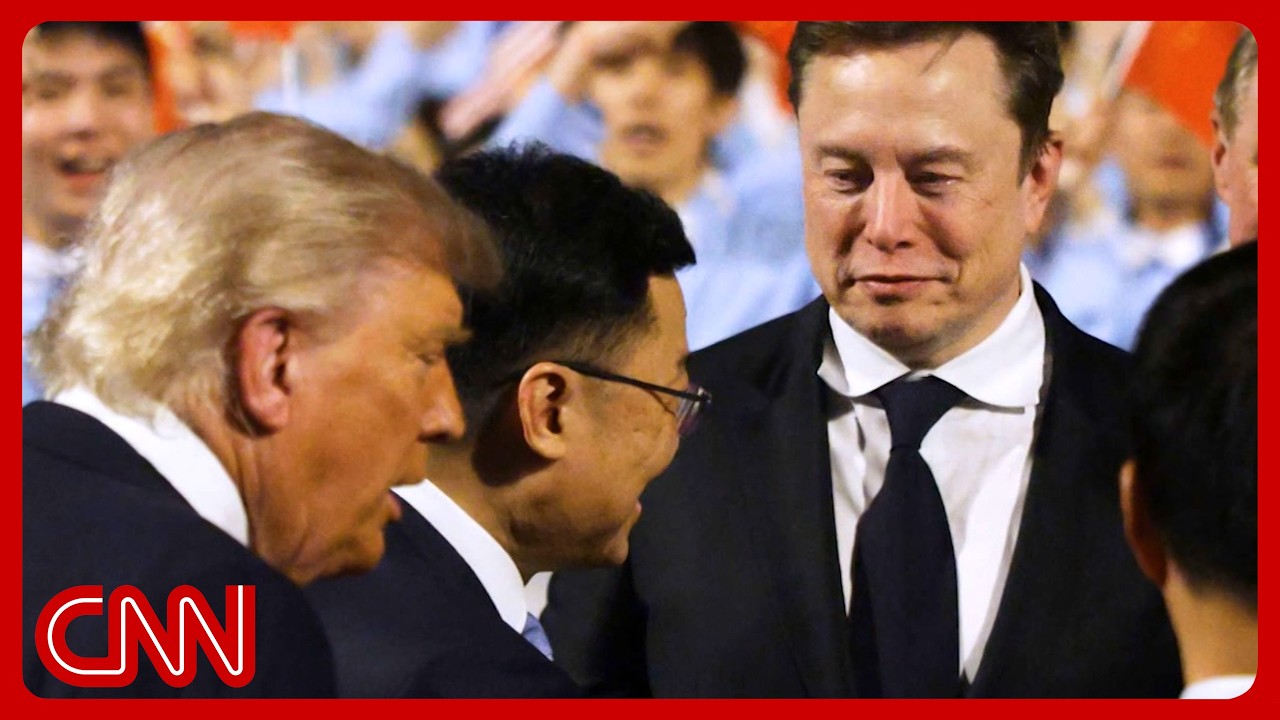
In the world of international relations and corporate strategy, few narratives are as fascinating as the recent reconciliation between President Trump and tech magnate Elon Musk. Nearly a year ago, their relationship was on rocky ground, characterized by public feuds and sharp criticisms. Musk’s allegations regarding Trump’s possible ties to unsavory figures and calls for impeachment painted a stark picture of their discord. Yet, in an unexpected twist, the two are now seen together in Beijing, surrounded by America’s top CEOs.
Musk’s presence alongside President Trump on this business delegation is emblematic of the transactional nature of modern diplomacy. The trip, intended to bolster American business interests in China, is attended by 17 prominent CEOs, reinforcing the notion that their motivations are largely financial. In this setting, the allure of immense profits often overshadows geopolitical concerns.
For Musk, China represents not just an essential market but a critical manufacturing hub. Tesla’s significant factory in Shanghai produces a considerable segment of its vehicles, and the promise of cooperation with the Chinese government aligns with Musk’s ambitions, particularly as he considers taking SpaceX public. However, this relationship is not without its complexities. The Chinese government, wary of Musk’s Starlink satellite communications venture, holds considerable leverage, making the dynamics of their interactions multifaceted.
Cara Swisher, a tech journalist and CNN contributor, aptly described this gathering as a "chamber of commerce meeting." The urgency to foster business relations transcends mere photo opportunities or pleasantries. CEOs like Tim Cook of Apple find themselves navigating a delicate tightrope, balancing their companies’ interests while responding to U.S. policies that impact their operations.
The discussions unfolding in Beijing reflect the underlying tensions linked to Taiwan, AI technology regulations, and trade policies. While the objectives of the trip may appear primarily commercial, the stakes are much higher. Musk’s presence—animated and engaged—contrasts sharply with the solemnity seen in prior legal proceedings regarding his business dealings. This multifaceted engagement highlights the complex blend of personal ambition, corporate strategy, and international relations.
In the backdrop of these high-stakes discussions is the ongoing trial involving Musk, OpenAI, and Microsoft, which adds another layer of intrigue to his trip. As Musk chose to prioritize his visit to China over court appearances, one wonders about the implications of such decisions, not just for him, but for the legal proceedings at hand. It raises questions about accountability in a world where influence and power often overshadow traditional norms of conduct.
While the tech landscape continues to experience rapid transformations, the interactions between figures like Musk and Trump signal a broader trend: the blurring of lines between business interests and political objectives. The CEOs accompanying Trump, including figures from Nvidia and Boeing, are acutely aware of the importance of maintaining favorable relations with both the U.S. administration and the Chinese government. Such dual allegiances are not merely business acumen; they reflect the realities of today’s interconnected world.
The comment made by Trump about these CEOs "paying respects" to China encapsulates the paradox inherent in these dynamics. Each executive has vested interests in China, yet they must also navigate an unpredictable political landscape back home. For Tim Cook, the juggling act is particularly challenging; Apple’s reliance on Chinese manufacturing for profit must be managed alongside the unpredictable consequences of tariffs and regulatory changes initiated by Trump.
The trip to Beijing serves as a microcosm of modern international relations, illustrating the inherent challenges faced by corporate leaders as they pursue growth and partnership in a globalized economy. Musk’s recent behavior—taking photos with Cook and sharing moments with his son—paints an image of a leader engaging with Chinese culture, yet it is essential to question the underlying motivations of such gestures.
As global leaders evolve their approaches toward multinational engagements, the interdependencies between business and diplomacy become ever more pronounced. The actions and collaborations among high-profile figures like Musk and Trump hint at a landscape where economic interests lead the dialogue, often overshadowing moral and ethical considerations. This new reality demands a careful examination of priorities and futures—not just for individual corporations, but for entire nations navigating a complex world stage.