Challenges and Prospects for US-Iran Peace Talks in Switzerland
Recently, US Vice President JD Vance arrived in Switzerland to engage in crucial discussions with Iranian officials regarding the implementation of the interim peace deal between the two nations. This dialogue comes at a turbulent time, marked by escalating tensions in Lebanon and ongoing disputes about Iran’s nuclear program. Both sides hope to address key issues, but the atmosphere remains fraught.
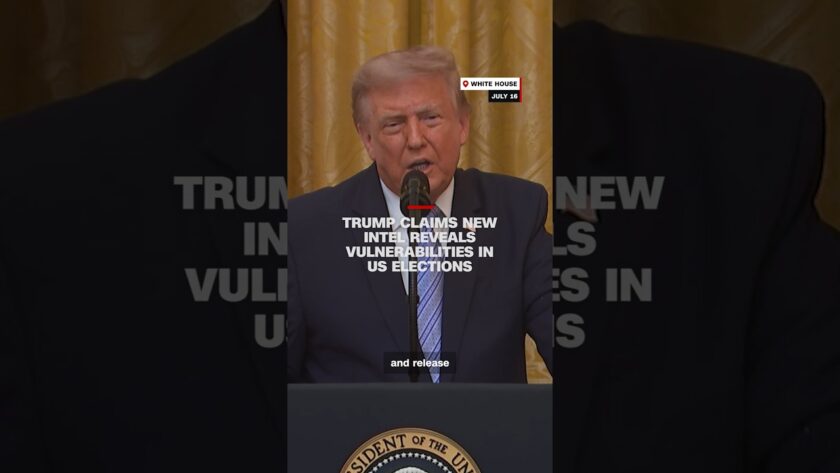
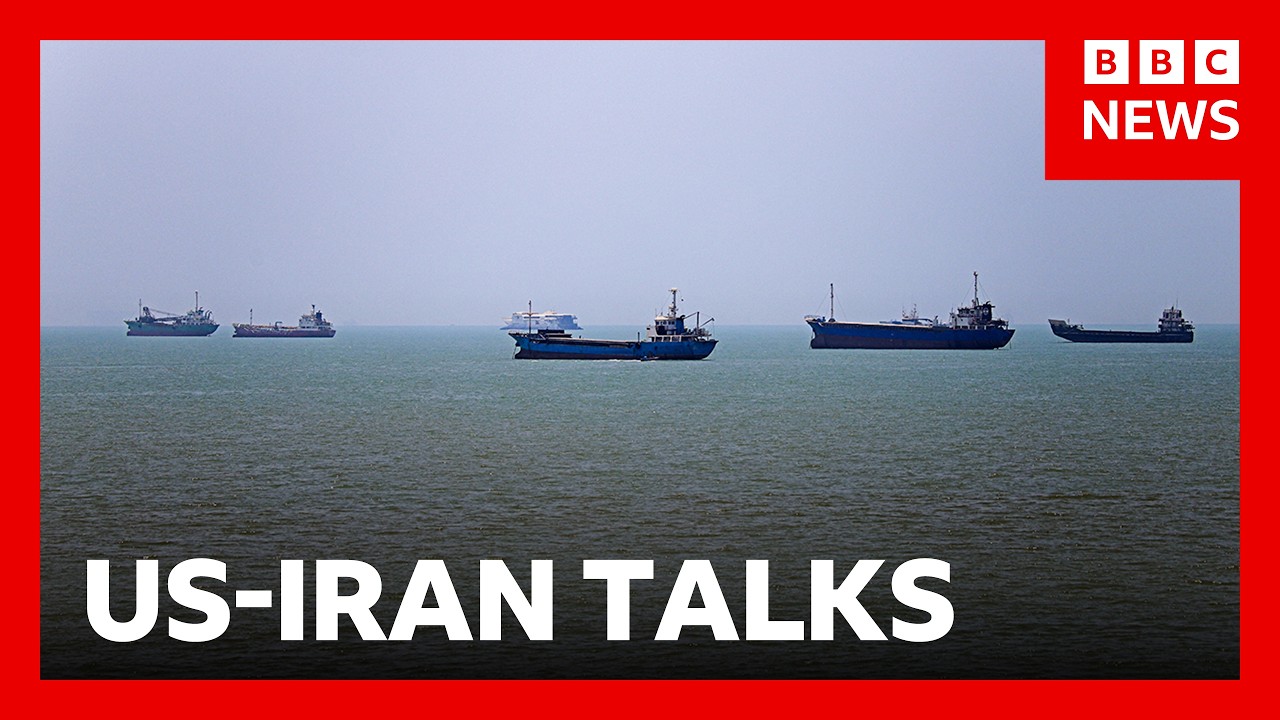
The Iranian delegation has already convened in Switzerland, focusing their discussions on the violence affecting Lebanon and the contentious status of Iran’s nuclear ambitions. The backdrop to these negotiations has been tumultuous. Iran’s recent announcement that it had closed the Strait of Hormuz—an essential maritime route—came as a direct response to Israeli airstrikes in southern Lebanon. The US military, however, has countered these claims, stating that the strait remains open. President Trump’s remarks added another layer of complexity, indicating that the US could impose its own tolls on ships passing through the Strait if a comprehensive agreement is not reached.
The conflict in Lebanon epitomizes the broader challenges surrounding these talks. A ceasefire agreement intended to halt hostilities quickly unraveled, with reports emerging that Israeli airstrikes resulted in civilian casualties, including fatalities among children. In contrast, both Hezbollah and Israeli forces continue to blame each other for breaching the terms of the ceasefire. This cycle of violence poses a significant barrier to fruitful negotiations in Switzerland.
The Iranian negotiators are under considerable pressure. They assert that the failure to maintain peace in Lebanon undermines the commitments laid out in the ceasefire memorandum, contributing to a tense negotiation atmosphere. The US, represented by Vice President Vance, has also expressed critical views regarding Israel’s military actions, emphasizing that such strikes threaten the potential for a peaceful resolution.
The negotiations encompass far more than just the immediate violence in Lebanon. Both parties arrive with distinct priorities. Iran seeks economic relief, aiming to free its assets and expand its oil sales on the global market. The lifting of sanctions is pivotal for Iran, which is facing considerable domestic pressure arising from economic strife. Conversely, the United States aims for a stringent guarantee that Iran will not pursue nuclear weapons, despite Iran’s stance that its uranium enrichment is solely for energy purposes.
As the two sides prepare for potentially grueling discussions, several factors loom large over the process. One pressing issue is the power dynamics surrounding the Strait of Hormuz—an area Iran has signaled it intends to control. Abbas Milani, Director of Iranian Studies at Stanford, notes that Iran’s claims about controlling this vital waterway could indicate a more entrenched position. He questions the viability of the US imposing tolls on maritime traffic, suggesting that such legal bases remain dubious.
The ongoing conflict and the diplomatic intricacies surrounding the peace talks evoke a complex scenario replete with historical grievances and geopolitical maneuvering. Yet, both the United States and Iran are in search of common ground, albeit under very different narratives.
In the realm of public perception, Israeli officials have expressed concerns over being sidelined in this negotiation process. The Israeli government initially hoped for greater influence in discussions about halting Iran’s financial support for groups like Hezbollah and addressing potential military threats. The outcome of the negotiations in Switzerland could have profound implications not only for regional stability but also for Israel’s security calculus.
Despite the myriad of challenges, including ongoing violence, differing priorities, and the geopolitical stakes involved, observers note that both the US and Iran seem motivated to reach a resolution. The stakes are high for both parties: Iran desires economic relief, while the US seeks an end to nuclear proliferation and stability in the region. As the two nations embark on this pivotal dialogue, it remains to be seen whether they can translate their urgent needs into achievable, concrete outcomes. Perhaps the most crucial element will be an enduring cessation of hostilities in Lebanon, paving the way for a broader understanding that can stabilize not only those affected by the conflict but also the interests of nations far beyond the immediate region.