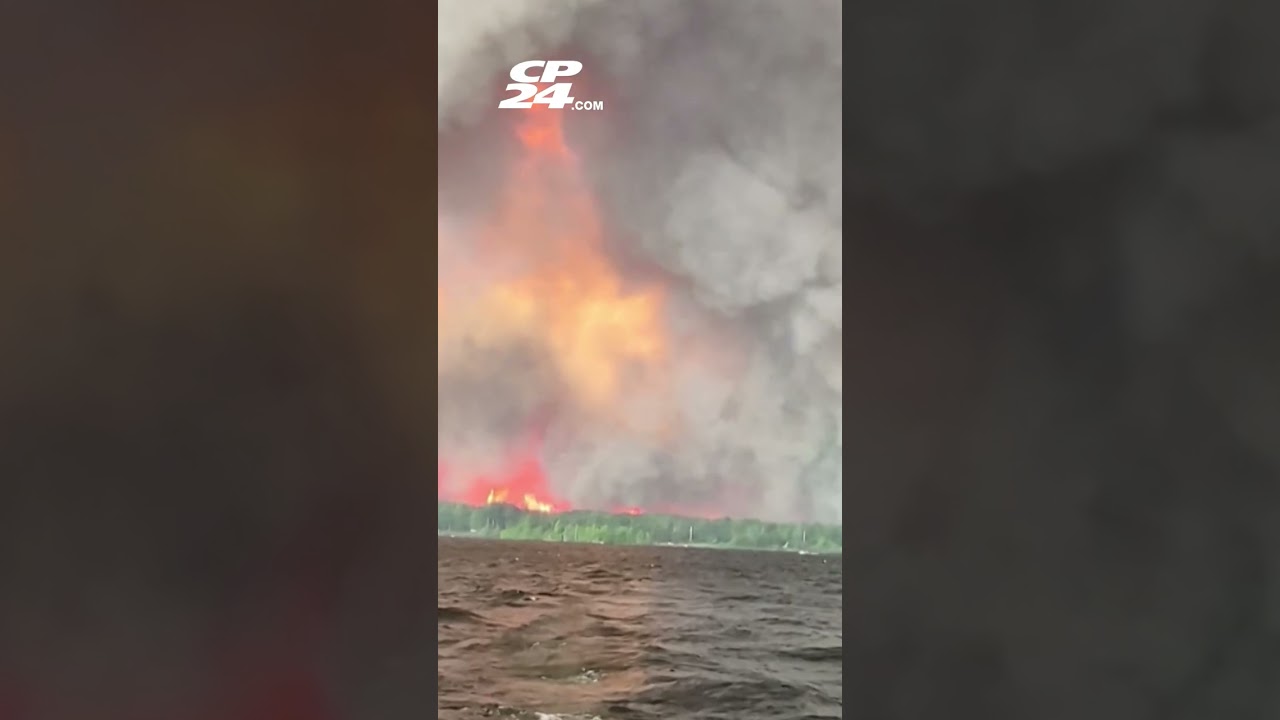
Wildfire Crisis in Northern Ontario: Communities Brace for the Future
As nearly 200 wildfires ravage northern Ontario, the regions most affected, particularly the northwest, are grappling with unprecedented challenges. With 57 of these fires categorized as out of control, local communities are on high alert, preparing for potential evacuations and the harsh realities of worsening conditions.
Fire management officials are emphasizing that the safety of lives, property, and critical infrastructure remains their top priority. As the situation evolves, they are bracing for increased wildfire activity, which could continue to deteriorate in the coming weeks. This grim forecast is compounded by persistent smoke conditions, impacting air quality and visibility across vast stretches of land.
While recent rain has offered a glimmer of hope by slowing the spread of some of these blazes, it is clear that more sustained rainfall is essential to gain a meaningful foothold in this battle. Firefighters are continuing their efforts under challenging circumstances, utilizing aerial resources and ground crews to combat the flames. Yet, the unpredictability of wildfires underscores the necessity for vigilance and preparedness.
Authorities have established restricted fire zones and enforced open-air burning bans in affected areas. These measures are crucial in preventing further ignitions amidst the existing chaos. As the fires rage and resources are stretched thin, residents must remain aware of their surroundings and adhere to guidelines issued by local authorities.
Communities in the northwest region are particularly vulnerable due to their proximity to these wildfires. Evacuation plans are being drafted, and lines of communication remain open as officials work to keep the public informed. Schools and community facilities are being transformed into safe havens for those who may need to leave their homes. The emotional toll on families is significant, as uncertainty and anxiety loom large over daily routines.
The wildfire crisis not only poses immediate dangers but also has long-term implications for the environment and local economies. Areas vital to wildlife and natural ecosystems are being altered irrevocably. The economic repercussions are felt in numerous sectors, particularly tourism and local businesses, which depend heavily on a pristine natural environment.
Despite the overwhelming challenges presented by nearly 200 active fires, communities are demonstrating remarkable resilience. Neighbors support one another, sharing resources and offering comfort amid the fear and uncertainty. Local governments are working diligently to devise and implement comprehensive strategies to confront this crisis head-on. Collaboration between various agencies is paramount, as the fight against wildfires demands combined expertise and resources.
Public awareness campaigns are essential to ensure residents are adequately informed about safety procedures and evacuation protocols. The threats posed by these wildfires extend beyond immediate physical dangers; misinformation can exacerbate panic and hinder effective responses. Clear, consistent communication from officials is vital to steer community actions and attitudes in productive directions.
The outlook remains tenuous, but hope persists. While the fires continue to burn, the human spirit proves resilient. Neighbors help neighbors, and communities rally to protect what matters most. The increased involvement of local emergency services and volunteers is a testament to the collective dedication to overcoming adversity.
In summary, northern Ontario faces an uphill battle against its wildfire crisis, with nearly 200 active fires posing significant threats to lives, properties, and ecosystems. As the region braces for more potential evacuations and challenging conditions, sustained rainfall remains a crucial factor in controlling the situation. With a commitment to prioritizing safety and ongoing collaboration among agencies, there is a glimmer of hope that communities will emerge from this crisis stronger and more united than ever.