Trump’s Return to Reality: Gas Prices and the Politics of Perception
President Donald Trump’s return to the White House has coincided with a grim economic reality for many Americans: gas prices have surged to an average of $4.53 a gallon nationally. After a recent trip to China, he faced scrutiny regarding comments he made about the American financial situation in light of the ongoing conflict related to Iran. Far from clarifying his position, Trump stood firm, asserting that short-term pain—stemming from higher gas prices—was a necessary sacrifice to prevent a nuclear threat.
In interviews, Trump emphasized that the pain at the pump is temporary. He claimed most Americans would agree that safeguarding the country from a "crazy person" wielding nuclear weapons justifies some financial discomfort. Yet, this assertion has met mixed reactions from his own party. While figures like Vice President JD Vance and House Speaker Mike Johnson attempted to mitigate the impact of Trump’s statements, suggesting they were misrepresented, the president doubled down, insisting he would repeat his original comment.
The crux of the controversy lies in Trump’s insistence that American financial circumstances should not influence international decisions, specifically those surrounding Iran. He stated unequivocally that his priority is ensuring Iran does not develop nuclear capabilities. "I don’t think about American financial situations," he declared, which understandably struck a nerve among voters grappling with soaring gas prices and rising costs of living.
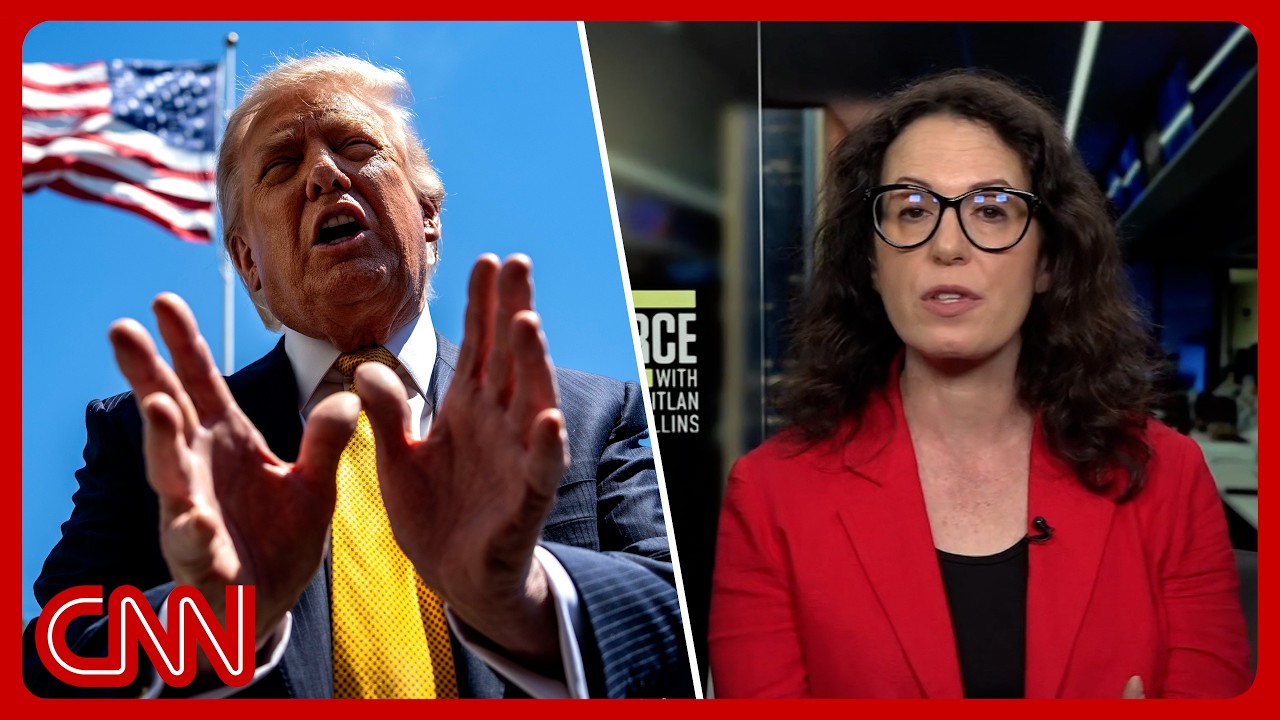
Maggie Haberman, a seasoned political correspondent, highlighted the disconnect between Trump’s rhetoric and the everyday concerns of Americans. Historically, U.S. presidents have wrestled with the public cost of military engagements, and Trump’s current stance could alienate voters, especially those feeling the financial strain. His attempts to reassure the public that economic pressures are merely temporary have met skepticism. With U.S. military involvement in various conflicts historically leading to political repercussions, Trump’s bold declaration might backfire.
Moreover, analysts argue that Trump, wrapped in a bubble of favorable feedback from like-minded advisors, may be less attuned to the public’s grievances than he should be. This detachment is concerning as he heads into a politically charged environment, especially with the looming midterm elections. Many Republicans, who find themselves aligned with Trump’s increasingly hawkish approach to foreign policy, could fear the political fallout of his statements being used against them in campaign ads.
In trying to mitigate the fallout from his controversial remarks, Trump’s administration has attempted to reconcile their stance with a narrative of patriotism and national security. This narrative, however, does not address the immediate concerns of Americans disheartened by their economic challenges. The president’s comparisons of the current conflict to historical wars, from Vietnam to current military engagements, may resonate with his base but alienate other voters who prioritize economic stability.
Trump’s handling of the gas prices dilemma reflects a broader issue of political messaging in turbulent times. While his supporters may rally behind his directive to prioritize national security, the average voter is preoccupied with day-to-day expenses. The gulf between perceived national interests and the reality of personal finances has never felt wider, and Trump’s approach may further complicate his party’s standing in the opinions of voters.
The administration’s message that prices will stabilize as the situation evolves provides little comfort for those struggling now. While it is true that geopolitical shifts can influence gas prices, Americans cannot afford to wait for the administration’s promise that "things will get better" in the long run.
As Trump faces criticism from both sides of the aisle, the challenge he now confronts is whether he can maintain a footing in a political landscape that demands immediate accountability for economic challenges. The months leading up to the midterm elections will prove pivotal, not only for Trump’s presidency but also for the Republican Party as a whole, who may feel the reverberations of his statements long after today’s headlines fade.
In the end, the disconnect between Trump’s messaging and the reality of voters’ concerns could serve as a litmus test for the efficacy of his political strategy and his administration’s broader objectives. How the public reacts to this dynamic may well shape political fortunes well beyond just gas prices.