The Evolving Landscape of US-Iran Relations: A Tenuous Stalemate
As tensions escalate in the Middle East, US policy regarding Iran remains uncertain and fluid. Recent developments illustrate a precarious balancing act, with President Donald Trump making abrupt policy shifts that raise questions about the US strategy in the region. From military strikes to changes in economic strategy, the situation has become increasingly complex and fraught with peril.
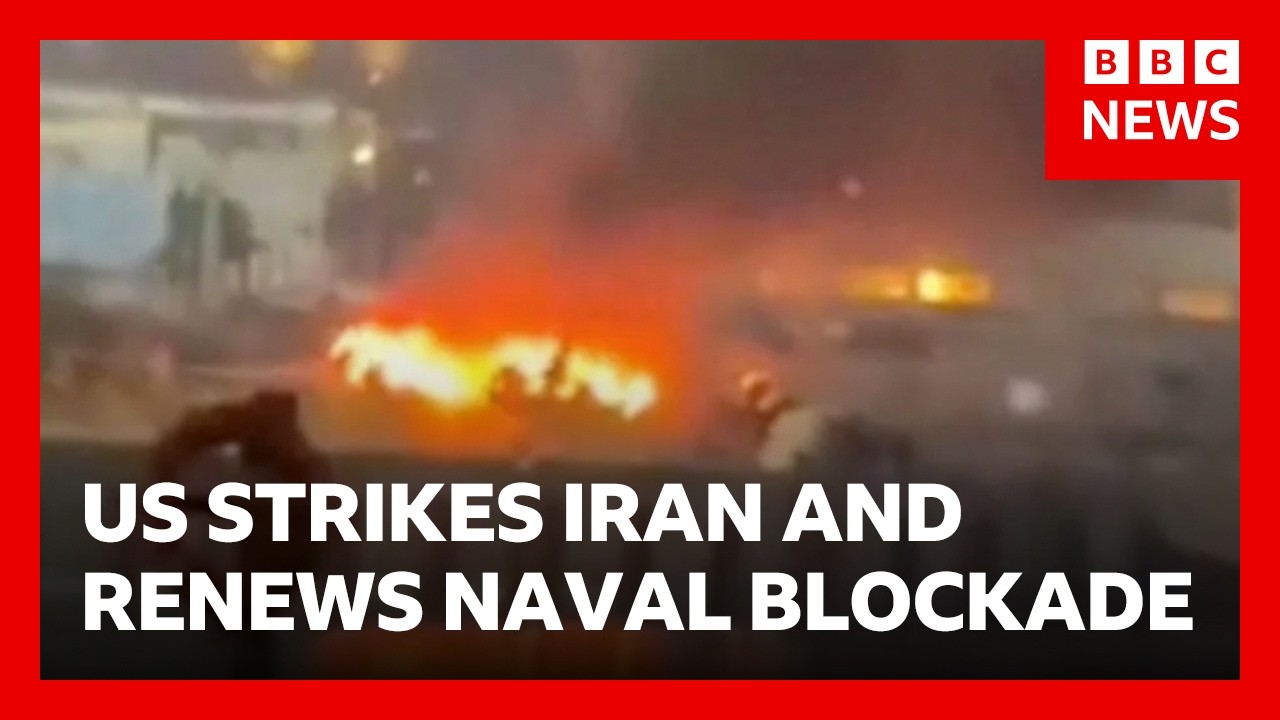
In a striking reversal, President Trump has withdrawn a controversial proposal to levy a 20% charge on cargo ships passing through the strategic Strait of Hormuz. This turn of events follows a flurry of military actions reported by US Central Command, which documented extensive air strikes targeting Iranian military installations. This campaign aimed to neutralize Iran’s perceived threat to commercial shipping in a vital international waterway. The bombings coincide with the onset of a blockade on Iranian ports, a move that escalates hostilities and reflects a breakdown in the fragile truce that had only recently been established.
Eyewitness accounts from Iranian media reported explosions near key port cities like Bandar Abbas and Bushehr, suggesting that US strikes have been more widespread than initially anticipated. Concurrently, Iranian military forces claimed responsibility for attacks on two supertankers in the Strait of Hormuz that resulted in tragic casualties among crew members. The impact of these strikes has reverberated through the region, with air raid sirens sounding in Kuwait and Bahrain and Iranian missiles targeting a US base in Jordan. The atmosphere is charged with tension, highlighting the volatile nature of this conflict.
The introduction of American sea drones into combat operations underscores the increased militarization of this conflict. For the first time, a US drone targeted an Iranian submarine, signaling a new level of engagement in the ongoing standoff. US aircraft and cruise missiles have focused on critical military assets in Iran, targeting air defense systems and coastal radar sites essential for monitoring ship traffic. The renewed military activity has shattered a previously established ceasefire, propelling the two nations into an uncomfortable limbo—caught between the possibility of escalated conflict and the unclear prospect of peace.
Amidst these tensions, Trump had floated the idea of charging ships a toll for navigating the Strait to “reimburse” the US for its role in safeguarding these crucial shipping routes. However, after discussions with Arab allies, he scrapped this plan in favor of trade and investment agreements. In a recent statement, he emphasized that substantial financial commitments from Gulf states would serve as a “much better” alternative to the initial tolling proposal. This adjustment in approach reflects not only diplomatic maneuvering but also the growing recognition of the unpopularity of military intervention among the American public, particularly as rising oil prices exacerbate economic concerns.
Clarity is further muddied by the emergence of a satirical protest group that has chosen to lampoon Trump’s approach to the conflict. They unveiled a 10-foot golden trophy designed to ridicule the president for engaging in a conflict without a coherent military strategy. The White House has dismissed the artistic protest as uninformed, yet it symbolizes the growing discontent over US involvement in Middle Eastern affairs.
In conclusion, the intricate dynamics of US-Iran relations continue to evolve, marked by military confrontations, economic negotiations, and public disapproval at home. The recent U-turn by Trump highlights the challenges inherent in formulating a cohesive foreign policy, especially amidst rising regional tensions and global economic implications. As this situation unfolds, the risks of miscalculation loom large, leaving both nations navigating a treacherous path toward an uncertain future. The world watches closely, understanding that the outcome will significantly impact not only the Middle East but also global markets and geopolitical alliances.