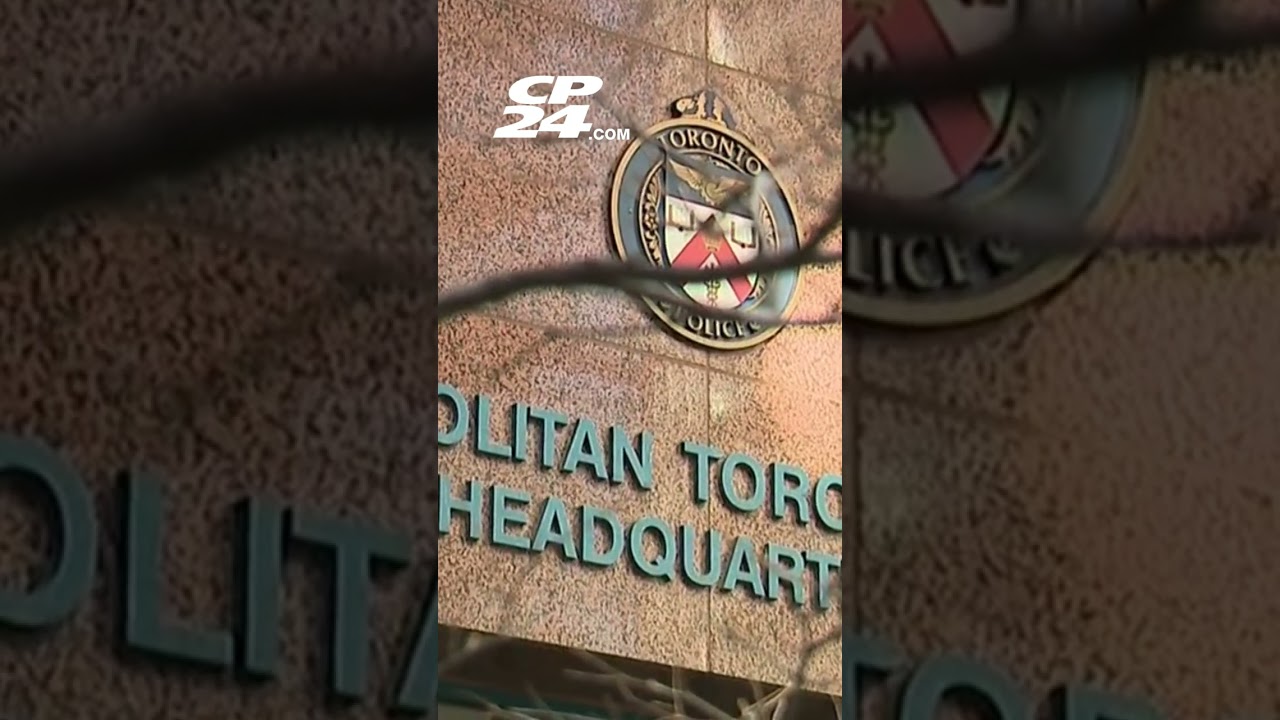
In a significant development underscoring ongoing tensions surrounding pro-Palestinian demonstrations, a 33-year-old man has been charged with terrorism-related offenses. Ahmad Hassan Hajamad was implicated following an extensive investigation into two rallies that took place in downtown area in 2024. The case exemplifies the complex interplay between free expression and national security, as authorities grapple with statements made during these protests.
According to police reports, Hajamad allegedly employed amplification devices to disseminate messages that incited animosity against the Israeli and Jewish communities. Described as inflammatory by law enforcement, these statements reportedly advocated for harm against specific groups. Such rhetoric raises profound questions about the limits of free speech, especially when it intersects with advocacy for social and political causes.
The investigation culminated in March when authorities executed a search warrant at Hajamad’s residence. During this operation, multiple electronic devices were confiscated, which reportedly contained evidence that linked him to Hamas, the militant group recognized by many nations as a terrorist organization. This connection to Hamas further complicates the case, placing it at the intersection of local activism and global geopolitical realities.
Hajamad’s actions have sparked outrage among various segments of the community. Supporters of the pro-Palestinian movement argue that expressing dissent does not equate to endorsing violence or terrorism. They maintain that public demonstrations are a fundamental part of democratic society. However, the implications of Hajamad’s rhetoric cannot be easily dismissed. Advocacy that incites violence poses a challenge to civil liberties and public safety, forcing society to weigh the importance of free speech against the potential for harm.
The charges against Hajamad have prompted discussions about the responsibility of individuals who speak publicly on contentious issues. Activists are now questioning whether they can express their views freely without unintentionally advocating for violence. The delicate balance between advocating for a cause and promoting harmful actions is a tightrope that many are hesitant to walk. Legal experts suggest that clarity is essential in determining what constitutes acceptable speech versus incitement.
Moreover, this case highlights the role of law enforcement in monitoring public demonstrations. As protests continue to emerge across various issues, police have been tasked with assessing both the intent and the impact of speech within these contexts. The authorities must navigate the fine line between protecting citizens’ rights and ensuring community safety, a responsibility that is more challenging in an increasingly polarized environment.
Public sentiment around this issue is mixed. Many citizens express concern over the potential normalization of extremist views, particularly those that advocate for violence against specific communities. Conversely, others fear that the charges against Hajamad represent a troubling precedent for curtailing legitimate dissent. This case is likely to be scrutinized as it progresses through the legal system, providing a critical lens through which to examine broader societal dynamics.
As this complex narrative unfolds, it serves as a reminder of the power of words and their far-reaching implications. While demonstrations serve as a platform for voices often marginalized in mainstream discourse, they can also serve as a stage for messages that threaten public peace. How society chooses to respond to such occurrences will shape the landscape of activism for years to come.
In conclusion, the charges against Ahmad Hassan Hajamad illuminate a critical moment in the broader discussion of free speech, advocacy, and the potential for incitement to violence. As the legal proceedings advance, the implications of this case extend beyond individual accountability, raising foundational questions about the nature of expression in a democracy. It is a narrative laced with urgency, demanding thoughtful engagement from all corners of society as we confront the challenges of advocacy in an increasingly complex world.