Tensions Rise: Navigating U.S.-Israel Relations Amidst New Agreements
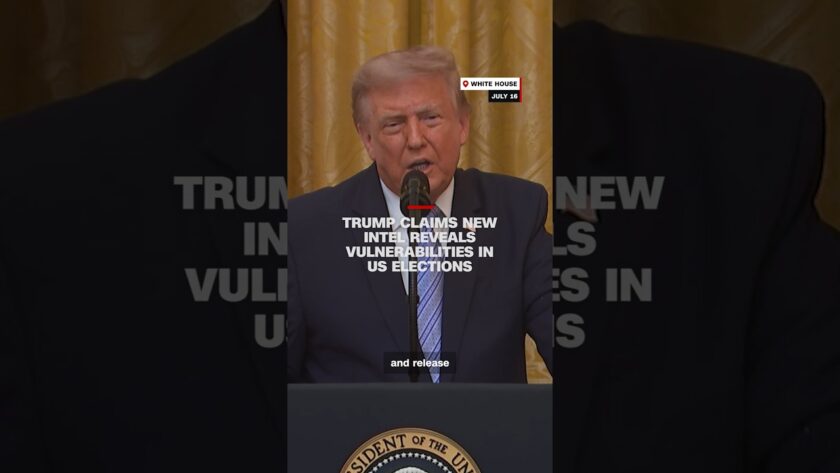
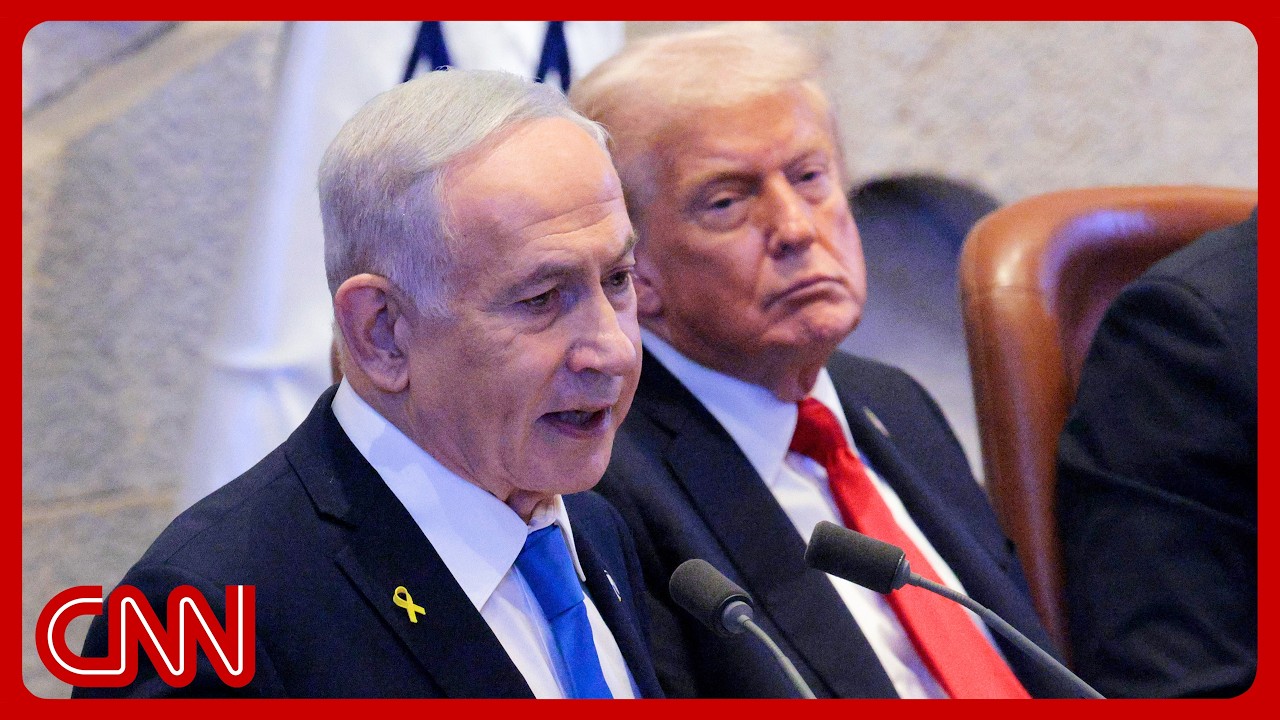
The diplomatic landscape between the United States and Israel is currently fraught with tension, as President Trump expressed dissatisfaction with Prime Minister Netanyahu’s handling of recent military strikes in Lebanon. This discontent surfaced prominently during Trump’s interview with Axios and a subsequent discussion with The New York Times. In these conversations, he described Netanyahu as "a very difficult guy," underscoring the increasingly combative dynamic between the two leaders. President Trump went so far as to state that Netanyahu should be grateful for U.S. efforts to mitigate the Iranian nuclear threat, suggesting that without American intervention, Israel would find itself drastically vulnerable.
This emerging rift raises questions about the future of U.S.-Israeli collaboration and the sustainability of a newly proposed agreement aimed at stabilizing regional conflicts. While the final text of the agreement is still awaited, both domestic and international responses will be pivotal in shaping its implementation.
Recent statements from Israeli officials reflect their deep-seated discontent. Netanyahu’s allies in Israel are reportedly outraged over the deal, with the Israeli ambassador to the U.S. conveying their concerns to members of Congress. Notably, an Israeli commentator associated with Netanyahu disparaged U.S. negotiators in a public post, characterizing them in derogatory terms. Such outbursts indicate a profound skepticism within Netanyahu’s circle regarding the efficacy of U.S. mediation in the region.
Amidst these tensions, Israel’s Defense Minister has affirmed that there are no immediate plans for a military withdrawal from southern Lebanon. While there have been discussions about reaching a ceasefire, the U.S. has not issued any formal demands for Israel to vacate its positions. Instead, the focus seems to be on ensuring that both Hezbollah and Israeli forces refrain from military action. Yet, as regional mediators highlight, the question remains whether the U.S. possesses the leverage required to ensure that Israel adheres to such a restraint.
As negotiations progress, scheduled meetings between Lebanese and Israeli officials aim at direct discussions, heralding the possibility of future agreements grounded in regional stability rather than external influences, particularly from Iran. However, the Israeli government’s current sentiments may hinder its willingness to engage in good faith talks.
In Israel, criticism of the U.S. agreement is surfacing not only from ruling party members but also from opposition leaders. They are particularly wary of the implications the deal may have for Israeli strategies regarding Lebanon and Iran. The Iranian government has made clear that any ceasefire discussions with the U.S. should encompass Lebanon, complicating Israel’s strategic calculations.
Netanyahu’s predicament is further complicated by the necessity to maintain a strong front against perceived threats from Hezbollah while navigating the delicate relationship with the U.S. Historically, Netanyahu has avoided direct criticism of Trump, opting instead for a supportive stance that resonates positively with the Israeli electorate. However, as pressure mounts, his position may waver, especially if the U.S. demands concessions he deems unacceptable.
The stakes could not be higher. The ongoing exchanges of military strikes illustrate the precariousness of the situation, with each side testing limits. Escalations along the Lebanese border could derail ongoing negotiations and lead to broader hostilities. In this context, the Israeli public’s growing impatience with the U.S. could exacerbate the situation if citizens feel their Prime Minister is conceding too much to American diplomats.
In assessing the future of U.S.-Israeli relations, several factors will come into play. The willingness of both sides to interact constructively is crucial. Should Netanyahu acknowledge the value of the U.S. partnership while asserting Israel’s operational autonomy, a degree of stability might be feasible. Conversely, escalation of military actions in Lebanon could provide a flashpoint that not only complicates the U.S.-Israel relationship but also has broader implications for regional security.
Ultimately, the path forward will require adept navigation of geopolitical realities and careful management of domestic pressures on both sides. Such an intricate balance will be vital to achieving a long-lasting peace agreement that contemplates the divergent interests of all involved stakeholders.