The Controversy Surrounding ICE Under the Trump Administration
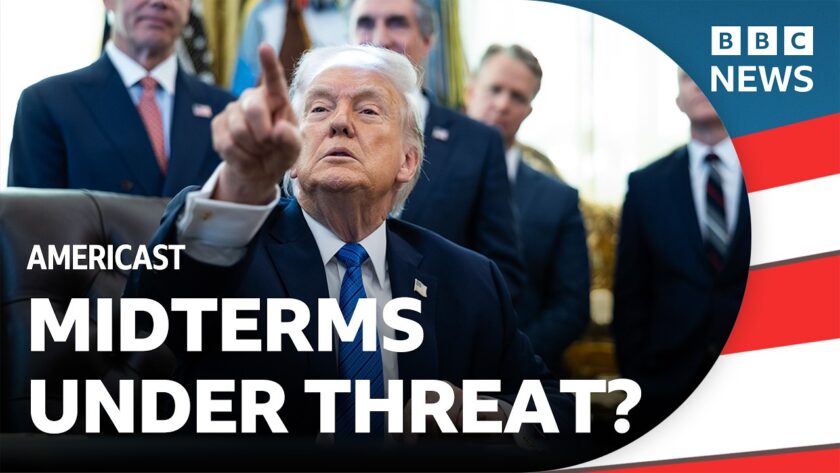
Since Donald Trump took office, the Immigration and Customs Enforcement Agency (ICE) has undergone significant changes. Pledging to launch “the largest deportation in American history,” Trump’s administration has put immigration enforcement in the national spotlight. But what are the implications of these policies? How have they affected both public opinion and political dynamics?
ICE was established in 2003, largely in response to the September 11 attacks, primarily tasked with enforcing immigration laws outside U.S. borders. Over the years, ICE had operated largely under the radar, but the heightened focus on immigration enforcement under Trump has shifted the agency’s role dramatically. Funding for ICE has surged, leading to an increase in personnel and, correspondingly, heightened enforcement activities. Reports indicate that ICE aims for a staggering target of 3,000 arrests per day, leading to a potential annual total exceeding a million arrests and deportations. While the actual numbers have not yet met these ambitious goals, the escalation in deportations has become a contentious issue.
One critical aspect of Trump’s approach has been the portrayal of those targeted for deportation. Initially, the narrative focused on removing serious criminals—“the worst of the worst.” Over time, however, it has become clear that this sweeping policy does not only affect individuals with criminal histories; it also impacts many who are simply in the country without proper documentation. Individuals like landscapers, construction workers, and even children, have increasingly found themselves caught in the enforcement net. This broadening of targets has profoundly disturbed many American citizens who, though supportive of immigration law enforcement, did not envision this level of disruption to their communities.
The public response to ICE’s intensified enforcement has intensified, especially in cities where high-profile incidents have occurred. The killing of a woman during an ICE operation in Minneapolis brought the situation to a head, highlighting not only the chaos that immigration enforcement can create but also the emotional toll it exacts on families and communities. Protests erupted in response, fueled by the perceived brutality of ICE actions and the portrayal of agents as aggressors in their neighborhoods.
Minneapolis is far from an isolated incident. ICE actions have provoked similar outrage across the nation, with agents reportedly conducting sweeps in immigrant neighborhoods—often leading to public confrontations. Reports of armed agents demanding citizenship documents in everyday situations have compounded public alarm.
The agency’s approach is further complicated by allegations of heavy-handedness and inadequate training. Many ICE agents carry firearms but may have received less training than their counterparts in other law enforcement agencies. Under the pressure to increase deportations, the agency reportedly lowered hiring standards, potentially resulting in a workforce less prepared to handle the kinds of conflicts that can arise during enforcement operations.
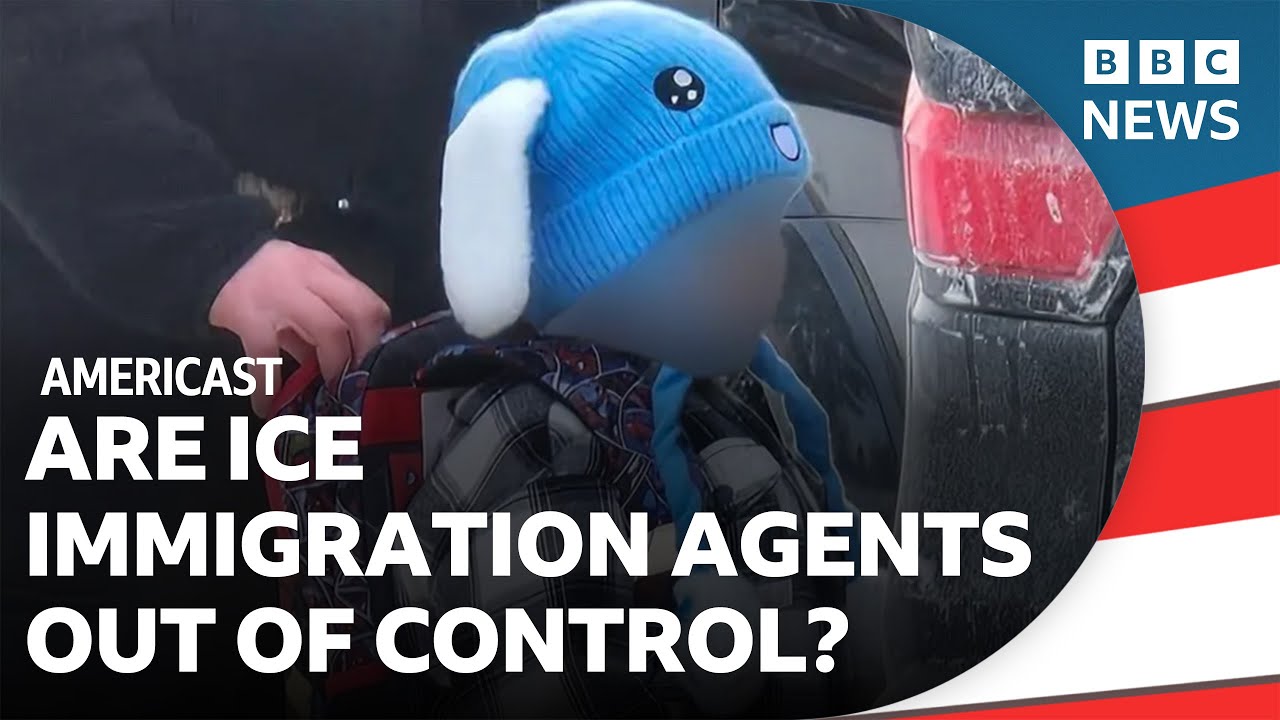
Recent stories have exacerbated public frustration. The detention of individuals—including U.S. citizens—under dubious circumstances reflects a broader failure in due process. The cases of a five-year-old boy and a man arrested in freezing conditions, both of whom were caught up in ICE operations, have struck a nerve, making immigration policy a personal issue for many Americans, particularly Hispanic voters—historically a demographic that Trump had relied upon.
The political implications of this crackdown are also significant. While immigration was once a strong suit for Trump, shifting public sentiment may turn it into a liability. Hispanic voters, who once showed considerable support for Trump, are increasingly turning against him in light of the perception that immigrants are being unfairly targeted.
In terms of accountability, calls for transparency have emerged. Some officials advocate for wearing body cameras during ICE operations, a step that could foster accountability and public trust. However, critics argue that without a robust internal oversight mechanism, accountability may remain elusive, especially as the agency’s focus shifts more toward deportations than its original mandate of enforcing national security.
In conclusion, the Trump administration’s approach to immigration enforcement via ICE has sparked a complex and multifaceted debate. With significant political repercussions on the horizon, the way forward remains uncertain. As Americans grapple with the notion of immigration and identity, one thing is clear: the ramifications of these policies will likely resonate long after Trump’s tenure.