Ukraine, the U.S., and Russia: Navigating the Complex Landscape of Trilateral Talks
In a pivotal moment amidst ongoing conflict, Ukraine has confirmed it will engage in trilateral talks with the United States and Russia in Abu Dhabi. This marks the first formal dialogue among all three parties since Russia’s full-scale invasion of Ukraine, underscoring a potential shift in diplomatic efforts. Wira Davis, a seasoned reporter from Ukraine, provides insights into the significance of these discussions.
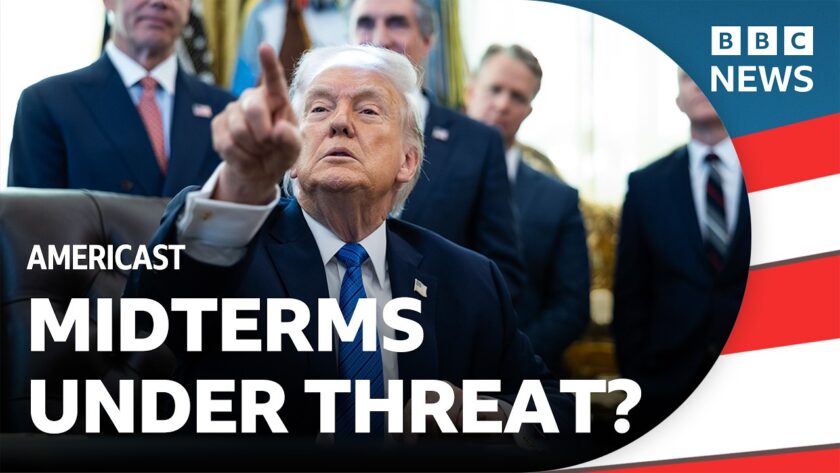
Notably, the meeting is significant but inherently complicated. Historically, attempts to bring both sides together have failed. Former President Donald Trump aptly commented on the challenges of negotiating peace when each side engages separately, expressing frustration over the lack of a joint meeting. The realities on the ground, however, remain fraught with challenges, and there exists a considerable gap between the positions of Ukraine and Russia.
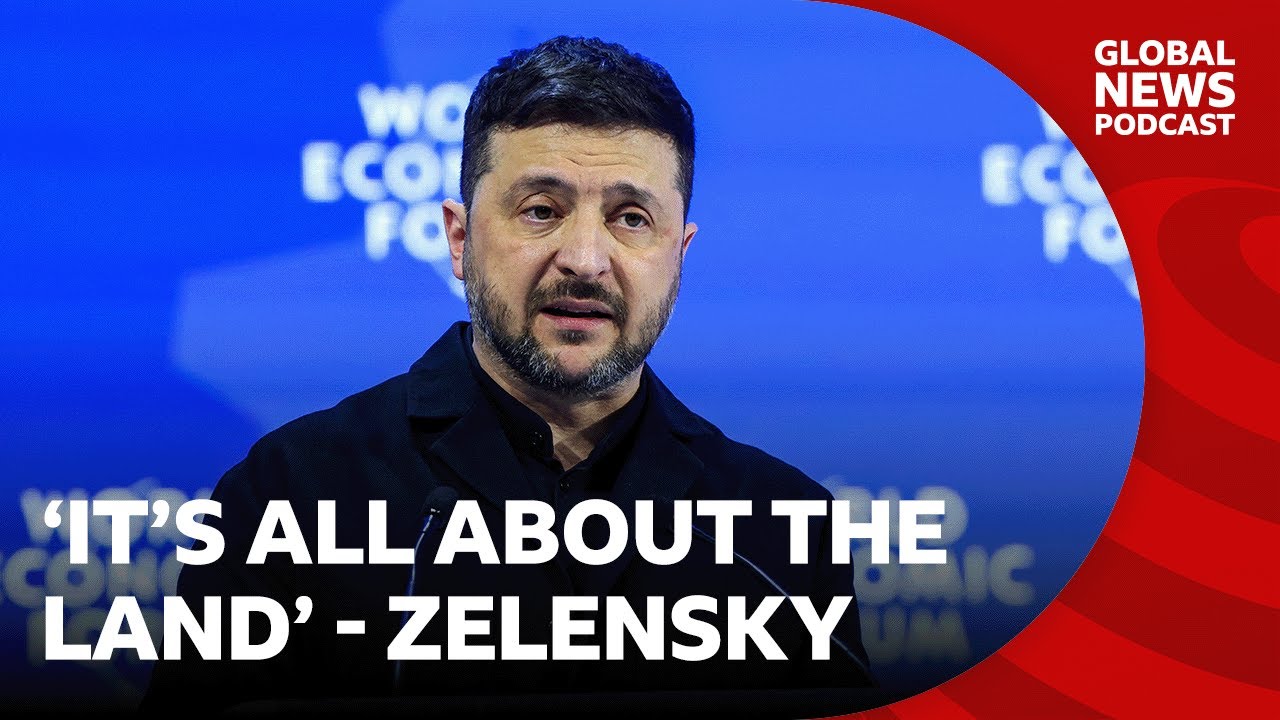
Ukrainian President Volodymyr Zelensky has previously expressed optimism regarding a peace plan, highlighting a 90% likelihood of success for a proposed 20-point framework. Yet, as the war has dragged on, any semblance of hope has diminished. The intensity of Russian military aggression has ramped up, with attacks targeting civilian infrastructure. The protracted nature of this conflict has fostered a deep-seated skepticism about the potential outcomes of the Abu Dhabi talks.
At the heart of these discussions lies a contentious issue: the future of the Donbas region. Currently, Russia controls around 20% of Ukrainian territory, and the Kremlin seeks to solidify its claim over this contested region. Yet, the notion of Ukraine conceding any territory is a bitter pill to swallow, especially given the sacrifices made in defense of their homeland. Davis notes that the Ukrainian populace, despite understanding the realities of war, resists handing over land that Russian forces do not fully occupy.
The problem is multifold. Apart from territorial disputes, the presence of foreign troops poses additional complications. While the post-Paris plan proposes a multinational peacekeeping force, predominantly composed of British and French troops, Russia has made it clear that such a presence is unacceptable. President Putin views foreign forces on Ukrainian soil as legitimate military targets, further complicating the path toward a potential ceasefire.
Moreover, as Ukraine is not a NATO member, Zelensky is particularly concerned about securing guarantees of international support in case of future aggression. These security assurances have become a cornerstone of Ukraine’s defense strategy, yet the specifics remain ambiguous. During recent conversations at Davos, Zelensky claimed to have secured such guarantees from the United States, but details about potential concessions from the Russian side remain elusive.
As the situation unfolds, the dynamics shift. Ukrainian forces have faced setbacks, causing some to wonder whether Russia may be willing to consider ending hostilities. However, without clear proposals from Moscow, the dialogue risks stagnation. While there have been mentions of possible prisoner exchanges, the absence of substantive offers from Russia renders prospects for resolution tenuous at best.
The impacts of the ongoing conflict are dire; many Ukrainian citizens are grappling with the harsh realities of winter amidst Russian attacks on civilian infrastructure. The destruction of power stations has left communities in Kyiv and beyond without basic necessities. As temperatures plunge to minus 20 degrees Celsius, many are forced to seek refuge in makeshift communal facilities that provide warmth and sustenance. The mayor of Kyiv has urged residents to leave the capital if possible, and reports indicate that over 600,000 individuals have temporarily vacated the city.
The prevailing sentiment among ordinary Ukrainians remains one of distrust toward both Putin and the prospect of a lasting peace. The wounds of conflict run deep, and many believe concessions to Russia would merely encourage further aggression. President Zelensky’s strategy appears to involve balancing relations with the U.S., particularly given concerns that American attention might shift elsewhere, leaving Ukraine vulnerable.
In Zelensky’s complicated dance of diplomacy, he must grapple with fostering international support while addressing the existential threats posed by an emboldened Russia. As the world watches, the stakes couldn’t be higher for Ukraine, the U.S., and Russia. The trilateral talks may hold the key to a new path forward, but both the complexities and uncertainties loom large.