Toronto Faces Snow Removal Challenges Following Record Storm
Toronto has been grappling with the aftermath of a record-breaking snowstorm, leading to a significant public outcry over snow-covered sidewalks and streets. With the city receiving upwards of 4,000 calls daily regarding snow-related issues, officials are under immense pressure to restore normalcy. Toronto Mayor Olivia Chow has stated that approximately 1,300 city staff members are diligently working around the clock to clear the snow, with an additional 175 workers deployed for support.
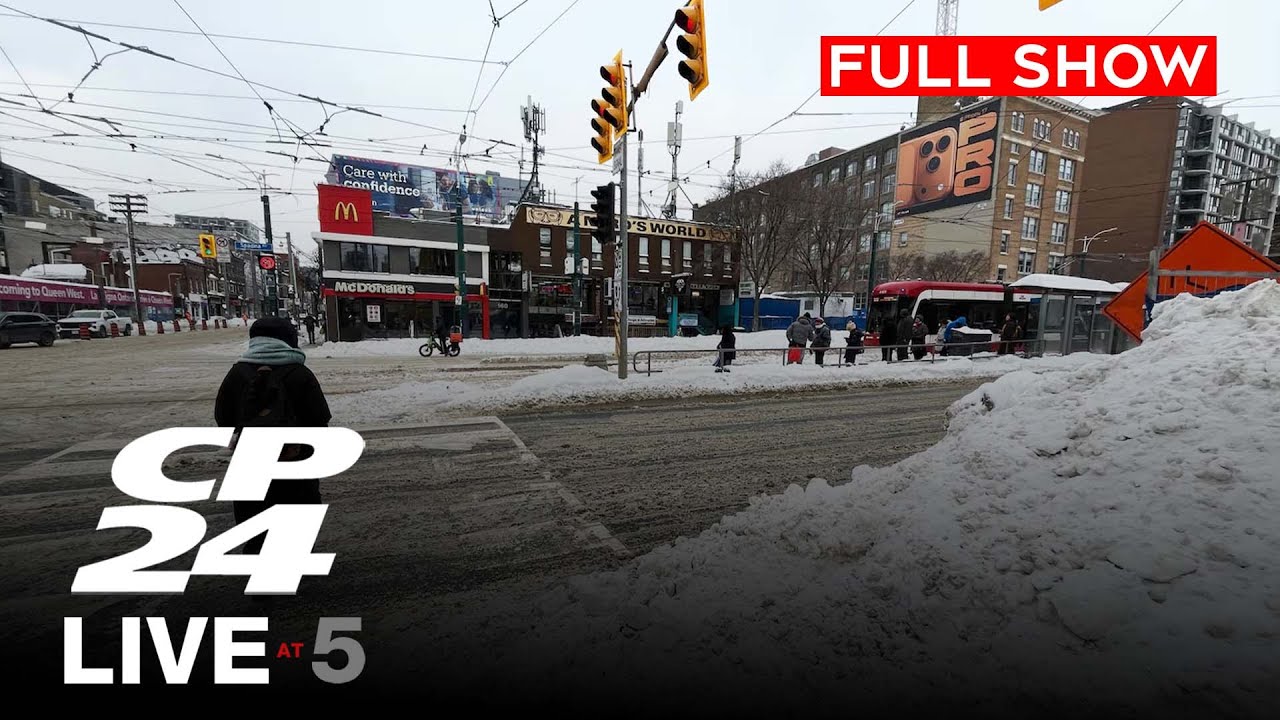
As phase two of the snow removal operation unfolds, the major routes have mostly been cleared, yet challenges remain. Many sidewalks are still obstructed by slush and snow, making it difficult for pedestrians, particularly those with strollers or mobility devices. Some city crews have been spotted on various residential streets using snowblowers and dump trucks to tackle the immense accumulation. However, the overall conditions remain treacherous for both pedestrians and drivers alike.
Reports from CP24’s Beatric Vaseman highlight the inconsistency in snow removal efforts, particularly along sidewalks. Many residents have found themselves navigating narrow pathways, and some even resorting to sleds to travel. This trouble resonates with individuals throughout the city, including those who have turned to shoveling sidewalks themselves to improve conditions.
The mayor has acknowledged the need for increased attention to sidewalk clearing, citing feedback from the community. "We are committed to ongoing sidewalk plowing," Chow emphasized, acknowledging the complexities of clearing snow from narrow streets. She also noted that inspectors are scrutinizing contractors to ensure they meet the city’s standards for snow removal.
However, while city crews are making progress, frustration remains palpable among residents. Testimonies from locals indicate a growing awareness of the city’s efforts, contrasting with the experiences of the previous year’s snowstorm, where responses were criticized for being delayed.
Beyond the snow removal crisis, Toronto is wrestling with another monumental issue: traffic congestion. According to a recent study, Toronto drivers lost an astounding 100 hours last year due to being stuck in traffic, equivalent to around four full days. This worrying statistic puts the city at the top of North America’s worst traffic list, second only to Vancouver in Canada. While Toronto has made progress in congestion rankings—from first in 2023 to ninth in 2025—it remains a pressing concern among commuters and city planners.
Matty Simatiki, a professor from the University of Toronto, analyzed the situation, noting that improved transit solutions are essential to alleviating congestion. With new transit projects like the Finch West LRT facing delays, public patience is running thin. The union representing TTC workers has reported that operators are facing increased public frustrations over the issues of transit delays and disruptions related to the new LRT lines.
As if those challenges were not enough, the recent severe snowstorm also compounded the existing traffic woes. Snow-covered roads have further complicated the commute, as motorists navigate through slush and uncertain driving conditions. The city is racing against time to restore transit reliability as it prepares for an influx of visitors for significant events such as the upcoming World Cup.
Residents are urged to keep an eye out for parking notifications and to move cars promptly to avoid impeding snow removal efforts. The challenge is clear: timely and efficient snow clearing is necessary not just for maintaining road safety but also for bolstering the city’s economy, particularly with major events approaching.
Overall, the city of Toronto faces a daunting task. As crews work tirelessly to clear snow, the citizens eagerly await improvements in both snow removal and transit reliability. The winter season presents significant hurdles; however, the community remains hopeful that lessons learned will pave the way for a more efficient and responsive city in the future.