Minneapolis Law Enforcement: A Shift Towards Targeted Immigration Enforcement
In a marked change of tone, recent announcements from federal officials in Minneapolis signal a transition towards a more targeted approach to immigration enforcement. The operations, characterized by their wide-ranging scope in the past, are now being recalibrated to prioritize efficiency and public safety. The emphasis on "doing things by the book" reflects an awareness that previous methods had shortcomings, particularly in their impact on local communities and civil liberties.
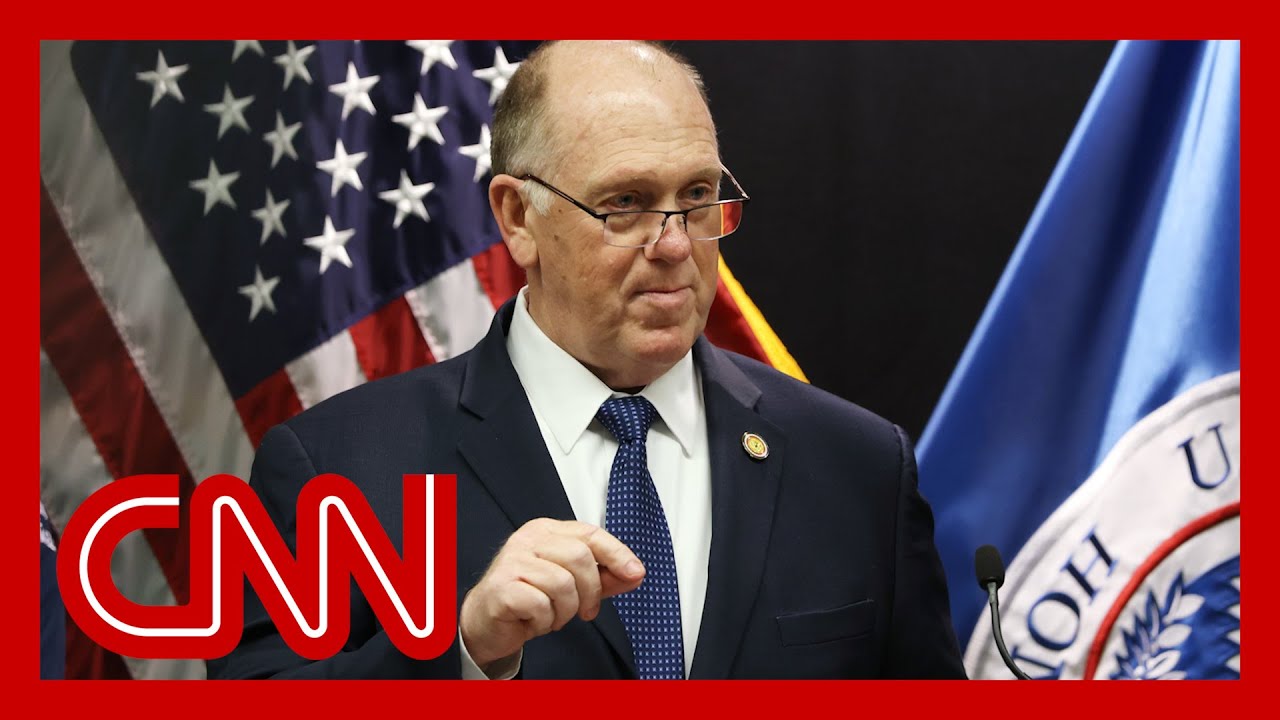
Tom Homan, a seasoned veteran of the Department of Homeland Security (DHS), emphasized during a press conference that his commitment remains steadfast until the challenges in the region are addressed. Homan’s philosophy has historically been to focus on targeted enforcement operations. He acknowledged, without reservation, that the status quo was untenable. This pivot emphasizes collaboration between federal and local law enforcement for more judicious immigration actions.
One critical aspect of this new strategy involves the cooperation between local jails and Immigration and Customs Enforcement (ICE). Local jail authorities are now required to notify ICE when they schedule the release of undocumented individuals who may pose public safety threats. This change aims to foster a system where local and federal agencies work together harmoniously. Homan expressed optimism that such ongoing discussions would lead to a more efficient enforcement mechanism that aligns with the principles of safety and legality.
The push for this shift was not born out of mere bureaucratic necessity. Recent tragic incidents, including two American citizens’ deaths, have drawn intense scrutiny over ICE’s methods and the perceived lack of targeted enforcement. Critics argue that the agency has often cast too wide a net, detaining individuals with no violent criminal history. Congressman Seth Magaziner pointedly articulated this concern, arguing that the current administration’s practices have undermined civil liberties, not only affecting undocumented immigrants but also American citizens.
This is not merely the viewpoint of a minority. The calls for change echo across party lines. Republican Senator John Husted echoed the sentiment that there needs to be an objective investigation into the shootings that drew attention to ICE’s practices. Husted underscored the importance of building trust through transparency in local and federal operations while pushing for the targeted removal of violent criminals from the community.
While this refinement in tactics is welcomed by various stakeholders, skepticism remains robust. Lawmakers like Magaziner caution against taking the administration at face value. People have witnessed, through videos and reports, instances of ICE operations that have violated civil liberties. Therefore, any proposed changes must be enshrined in law to ensure accountability over time. Without legislative reforms, there is a concern that any shift in the administration’s approach could be temporary, subject to the political winds of change.
What lies ahead for Minneapolis is a considerable balancing act: the federal government aims to tighten its immigration enforcement while respecting local agencies’ autonomy and safeguarding the rights of all residents. The hope is that by scaling back on indiscriminate operations, ICE can refocus its efforts on individuals with significant criminal records while fostering a more cooperative relationship with local authorities.
In conclusion, the shift towards targeted immigration enforcement in Minneapolis marks a potentially significant turning point in how local and federal law enforcement agencies operate. This change is driven not just by a need for increased efficiency but also a recognition of the necessity for civil rights to be upheld in the face of enforcement actions. The coming days will reveal whether these adjustments lead to sustainable improvements or if they merely serve as a temporary response to heightened scrutiny. Ultimately, the path forward requires not only cooperation between governmental layers but also a commitment to uphold the foundational legal rights of all individuals.