Pervasive Winter Storms Wreak Havoc Across Multiple States
As winter strikes with its full might, a series of significant storms are sweeping across the southern and eastern United States, severely affecting residents in numerous states. Meteorologists have been warning about the potential for hazardous conditions, particularly in areas like Texas, Tennessee, and New York, where heavy snow, ice, and even tornadoes are being reported.
In Texas, the impact of these storms is sharply felt. Austin wakes up to a landscape transformed by ice and snow, remnants of the worst conditions experienced overnight. Central Texas has been grappling with difficult travel conditions, and public safety officials are on high alert. The unfortunate reality for first responders in Florence, Alabama, highlights the challenges posed by these weather conditions, as fire trucks found themselves sliding off ice-covered roads. Fortunately, as no injuries were reported, the swift assistance of an industrial tow team ensured that operations could resume swiftly.
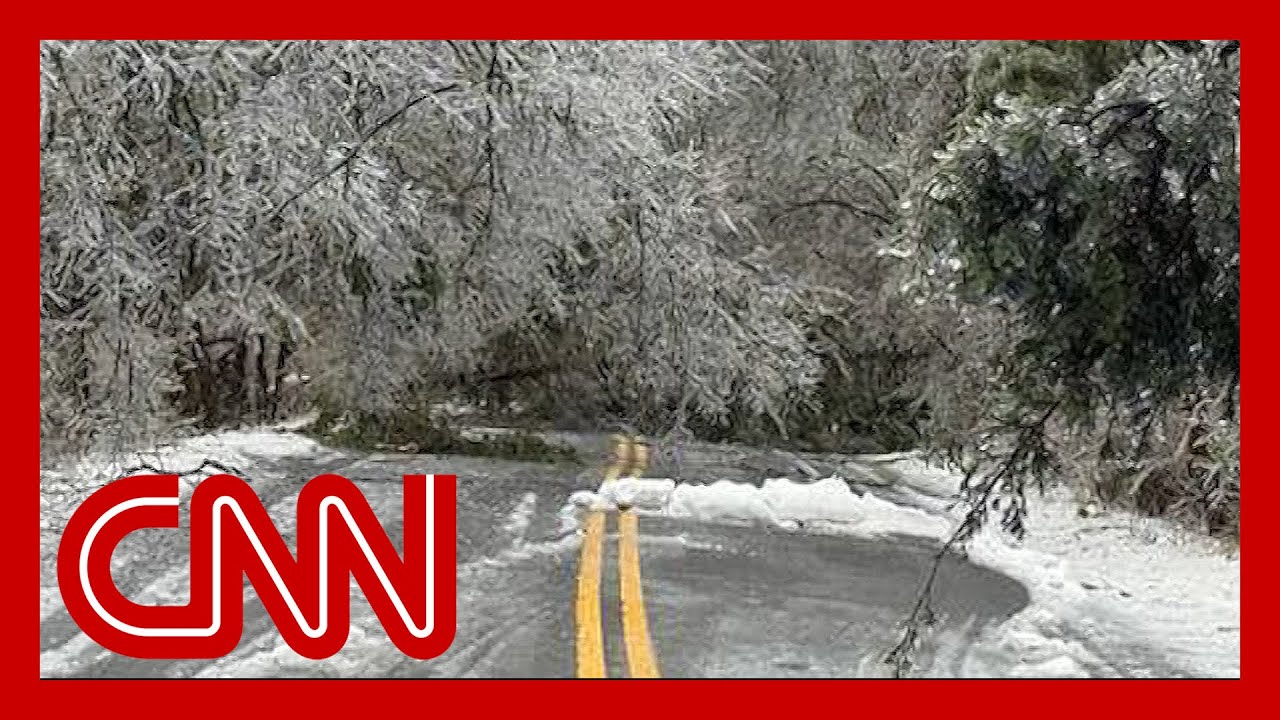
Freezing rain has emerged as a primary concern across the southern U.S., with places like Clarksville, Tennessee, reporting over half an inch of ice accumulation. This has forced hundreds of thousands of residents into darkness, as more than 900,000 homes and businesses are without power nationwide, with Tennessee accounting for roughly one-third of those outages.
In New York, the storm presents a different set of challenges. While many residents are eager to enjoy the fluffy white spectacle in Central Park, New York City officials, including Mayor Zoran Mamdani, are urging citizens to exercise caution. Increased sanitation crews—now numbering 2,500 per 12-hour shift—have been deployed to clear the streets. The city is preparing for the ongoing snowfall, and Mayor Mamdani has announced that public schools will remain closed, but students will continue their education through remote learning. Such decisions are not taken lightly; the mayor’s office aims to balance safety with educational continuity for families.
Despite warnings, the allure of snowfall has drawn New Yorkers outside. For many, the snow provides a rare opportunity for recreation—sledding, running, and indulging in the serene beauty of the urban landscape under a blanket of white. Some residents express mixed feelings about the storm; while they appreciate its beauty, they are also wearied by the disruptions.
From a meteorological perspective, the storm system is multifaceted, encompassing snow, ice, rain, and the alarming possibility of tornadoes. As CNN meteorologist Alison Chin has noted, the weather dynamics across the nation are complex. Areas like Boston and Pittsburgh experience heavy snowfall while regions further south shift to rain, exacerbated by rising temperatures. Thunderstorms continue to develop across the southeastern states, raising alarms for potential tornado activity throughout the afternoon and evening.
Watching the news unfold from Louisville, Kentucky, meteorologist Derek Van Dam captures the bizarre elements of this storm. Notably, the transition from sleet and freezing rain to lighter snowfall creates an atmospheric contrast that adds to the chaos. Many states are adapting to this rapid change; the warmth in Nashville leads to a half-inch of ice, while just a short distance away in Louisville, snow blankets the ground. Such stark differences illustrate how localized weather can vary dramatically over short distances.
To compound the situation, significant ice accumulation poses a severe risk for power lines, and the potential for ground transport disruptions is looming. Meteorologists are concerned that continued freezing conditions will exacerbate pre-existing vulnerabilities in the region’s infrastructure.
As the storm progresses, states are bracing for what may seem like an unending deluge of winter weather. With nearly two dozen states declaring a state of emergency, the severity of this storm serves as a reminder of winter’s ferocity and unpredictability. It is essential for residents to remain vigilant, prioritize safety, and heed local advisories as this complex storm system unfolds further.