Exploring Mayor Olivia Chow’s Recent Budget and Its Implications for Toronto
This week, Toronto City Council ushered in a new chapter with Mayor Olivia Chow’s budget proposal, which has been met with considerable approval. The budget includes a modest 2.2% property tax increase, additional funding for the police, and a freeze on TTC fares. This comprehensive financial plan reflects Chow’s commitment to making the city more affordable ahead of the impending mayoral race in the fall.
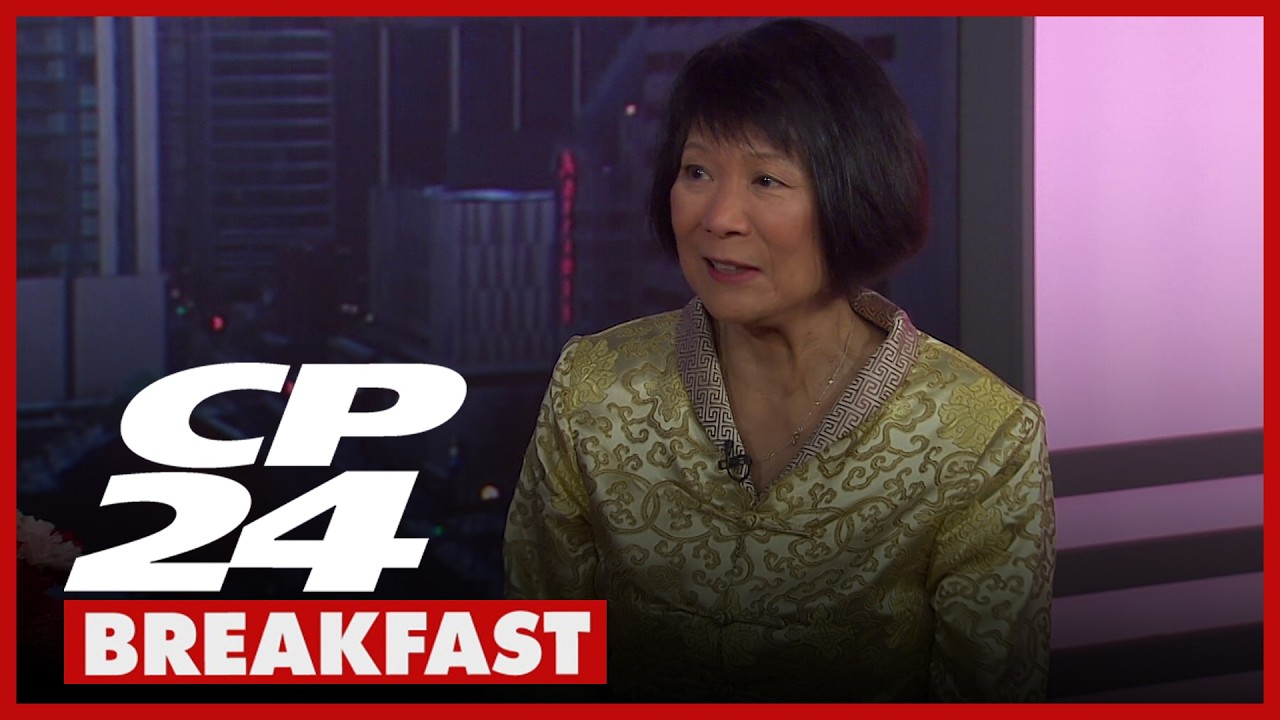
Mayor Chow is not only steering city finances but is also actively engaging with her constituents about their needs and cultural traditions. In a heartwarming moment during a recent interview, she celebrated the upcoming Lunar New Year—an occasion that brings families together to share meals, shop, and exchange good fortune. Chow noted that as families partake in this festive season, her administration aims to support them financially.
The budget’s design takes into account the financial strains that many Toronto families are currently experiencing. Chow remarked, “Every dollar counts these days.” The proposed budget allocates funds to feed children in schools, thereby easing the grocery bills for families. It also offers assistance to renters who may encounter unexpected financial hardships, ensuring they are not faced with eviction.
The incorporation of various support measures highlights the city’s commitment to addressing affordability beyond mere tax increases. Initiatives such as a revolving rent bank, designed to provide temporary financial relief for tenants, promise to reduce the strain on vulnerable families.
One of the most discussed aspects of the budget is its affordability in a challenging economic landscape. Mayor Chow pointed out that she inherited a significant $1.8 billion budget gap upon taking office. However, strategic collaborations with the provincial government and efforts to target luxury property owners for increased taxation have yielded positive results. By reallocating resources, Chow managed to free up $2.2 billion for investment back into the city.
Despite the good news, challenges remain. Skepticism arises regarding the sustainability of such budgetary measures, especially given the uncertainties of the next fiscal year. In the face of possible operational cutbacks, many are keen to know how Chow intends to ensure that property taxes do not substantially rise again in the near future.
Chow expressed confidence, citing ongoing collaborations with provincial and federal levels of government. She emphasized that the infrastructure maintenance, particularly of highways like the Gardiner and the DVP, has eased financial burdens on the city’s budget. Chow contended that maintaining these cooperative efforts will be vital for future fiscal health.
The discussion surrounding housing affordability is central to Chow’s plans, as she underscored that building affordable housing remains a priority. Working collaboratively with provincial and federal officials is seen as crucial for lowering construction costs, thereby accelerating the building of much-needed housing. Chow highlighted the importance of providing affordable living options for those who contribute to the city’s economy.
As Toronto approaches its mayoral election, Chow faces the dual task of managing current economic realities while also emphasizing her commitment to long-term sustainable growth. Her financial strategies reflect an adaptability that seeks to balance immediate needs with broader goals.
Chow, whose political journey is rooted in her immigrant background, embodies a commitment to fiscal discipline and community welfare. As she gears up for what lies ahead, the mayor remains focused on fostering an inclusive atmosphere where families can thrive without being pushed out of the city they call home.
In conclusion, Mayor Olivia Chow’s recent budget highlights an earnest attempt to address affordability challenges in Toronto. With a blend of innovative strategies and community engagement, her administration is poised to navigate the complexities ahead while prioritizing the needs of residents. As the city stands at the threshold of a new chapter, all eyes will be on how these initiatives unfold in the coming months.