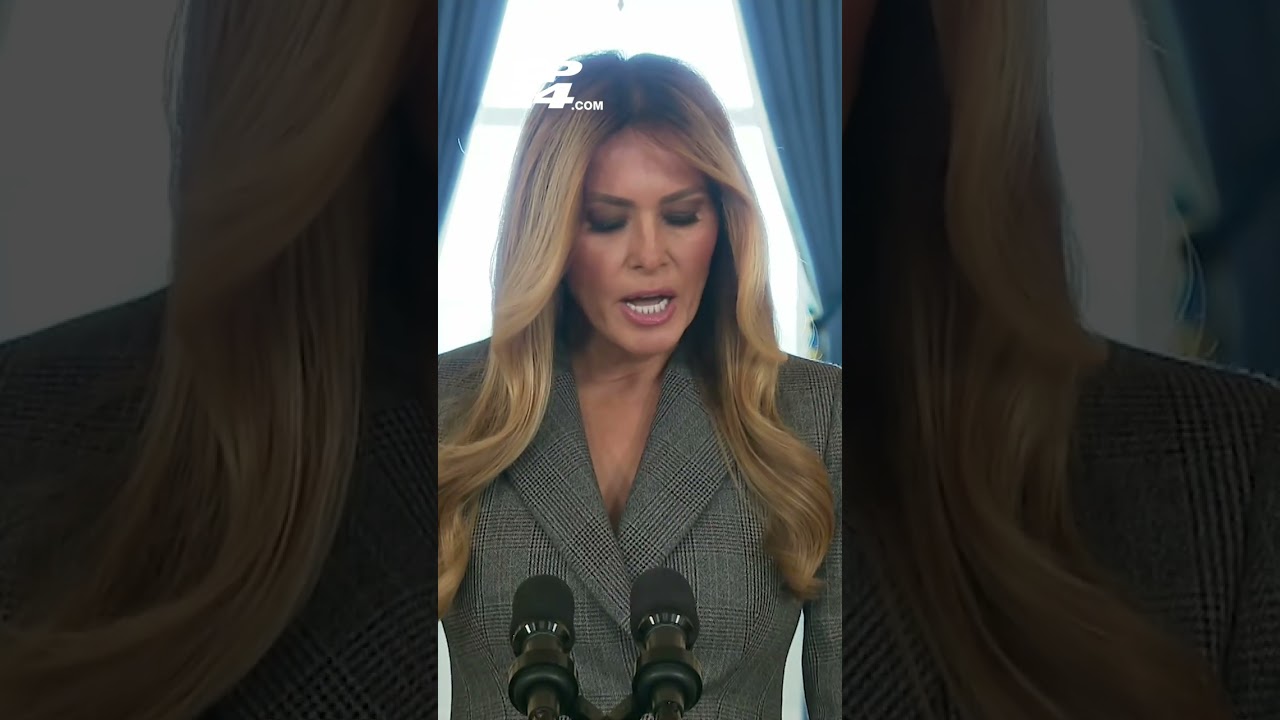
In recent discussions surrounding Jeffrey Epstein and his network, it’s crucial to clarify the relationships and encounters that exist in social settings, particularly among high-profile individuals. One such voice amidst this complex narrative is Melania Trump, who has addressed her connections to Epstein and his accomplice, Ghislaine Maxwell.
Melania asserts from the outset, “I have never been friends with Epstein.” This statement is paramount in understanding her position. It is vital to recognize that overlapping social circles are not uncommon in the world of New York City and Palm Beach. Such interactions often lead to invitations to the same events, where connections can be assumed but do not necessarily indicate friendship or deeper association.
The nature of Melania’s interactions with Maxwell is further characterized as casual correspondence. Melania acknowledges that her email reply to Maxwell should not be misconstrued. It was merely a polite acknowledgment—a trivial exchange, as she indicates. This subtlety is crucial. Being polite does not imply agreement, endorsement, or even familiarity.
Moreover, Melania firmly states, “I am not Epstein’s victim.” This assertion serves to underscore her separation from Epstein’s sordid activities. It’s an important distinction that is often overlooked in broader discussions surrounding Epstein’s infamous legacy. Her characterization is one rooted firmly in her own experiences and choices, devoid of any implication of victimhood.
Another significant point made by Melania is that she did not owe her introduction to Donald Trump to Epstein. Instead, she recounts, “I met my husband by chance at a New York City party in 1998.” This moment, a chance encounter, is documented in her memoir, Melania, adding a layer of transparency to her narrative. It serves as a reminder that paths can intersect through personal connections rather than orchestrations by others.
Her first encounter with Epstein happened in 2000—a pivotal year that further fuels the media’s narrative. This meeting occurred at an event attended by both Trump and Melania. At that time, she asserts she had “never met Epstein and had no knowledge of his criminal undertakings.” This declaration highlights her lack of awareness surrounding Epstein’s true nature, raising questions about the broader implications of social connections and awareness within elite circles.
The complexity of social interactions, particularly among public figures, often leads to assumptions that can skew perceptions. Melania’s narrative emphasizes the importance of context. Interpersonal relationships, especially in glamorous environments, thrive on appearances and social conventions, yet that does not equate to affirmative relationships or complicity.
What emerges from Melania’s clarifications is a call for a more nuanced understanding of associations in high society. High-profile individuals often find themselves entangled in perceptions based on mere proximity to others—an unfortunate reality that can overshadow their personal realities. In the tangled web of allegations and associations surrounding Epstein, it becomes essential to delineate the innocent from the culpable, the acquaintance from the accomplice.
Through her statements, Melania offers insight into the nature of her social encounters. While the media landscape gravitates toward scandal and implication, her careful portrayal of her experiences serves as a powerful reminder of the complexities of human relationships. In an era where assumptions can quickly become public narratives, Melania’s insistence on the truth speaks to the necessity of clear communication.
In conclusion, Melania Trump’s articulation of her interactions with Jeffrey Epstein and Ghislaine Maxwell sheds light on the intricacies of social dynamics. It underscores the need for thorough understanding rather than hasty judgments in the realm of public discourse. As the world continues to unravel the depths of Epstein’s actions, distinguishing personal experiences from public assumptions remains crucial. Melania’s narrative stands as a testament to this imperative.