Transit Update: Navigating Stormy Conditions in Toronto
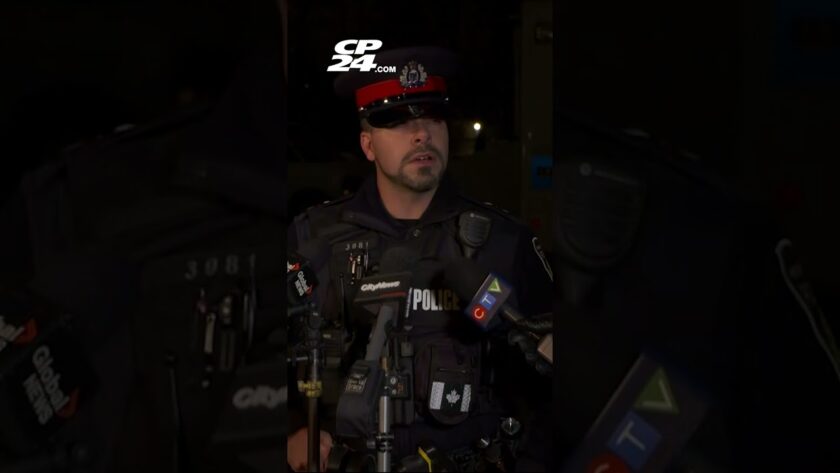
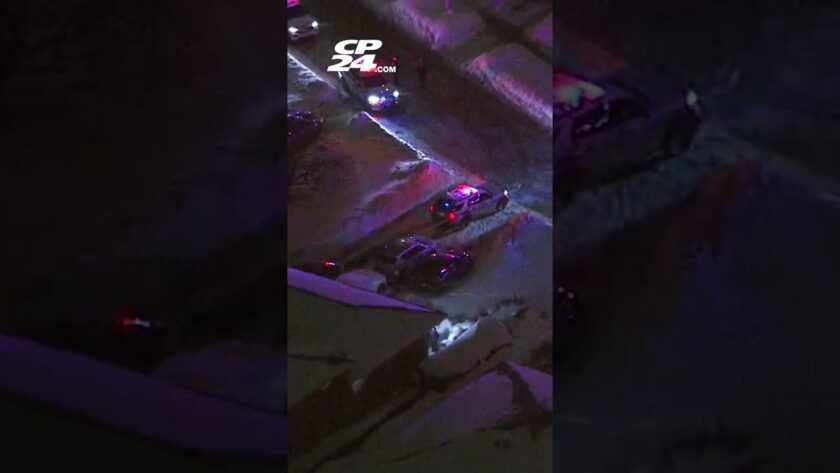
As winter weather continues to exhibit its full force, the Toronto Transit Commission (TTC) has announced that storm conditions have temporarily disrupted several transit stops throughout the city. With snow and ice accumulation on the rise, navigating the urban landscape has become increasingly complex for commuters. Adrien Grundy, head of corporate communications at the TTC, provided a timely update regarding these challenges.
"We’re particularly concerned about hilly areas," Grundy noted, highlighting the troublesome Duffern corridor. This region, along with East York and parts of Scarborough, is seeing the most adverse effects due to the ongoing weather conditions. Commuters who regularly traverse these routes can expect delays and service interruptions as safety measures are implemented.
The TTC has urged passengers to utilize their website, ttc.ca, for real-time updates before leaving home. This proactive approach can save commuters valuable time by allowing them to make informed decisions based on the latest service conditions. With winter storms historically causing significant delays, this resource is especially crucial for those planning their journeys.
The current weather forecasts predict significant snowfall, particularly in East York and Scarborough, where an accumulation of over 30 centimeters is expected. Such conditions will undoubtedly complicate bus operations in these areas, as inclement weather can increase the likelihood of service disruptions.
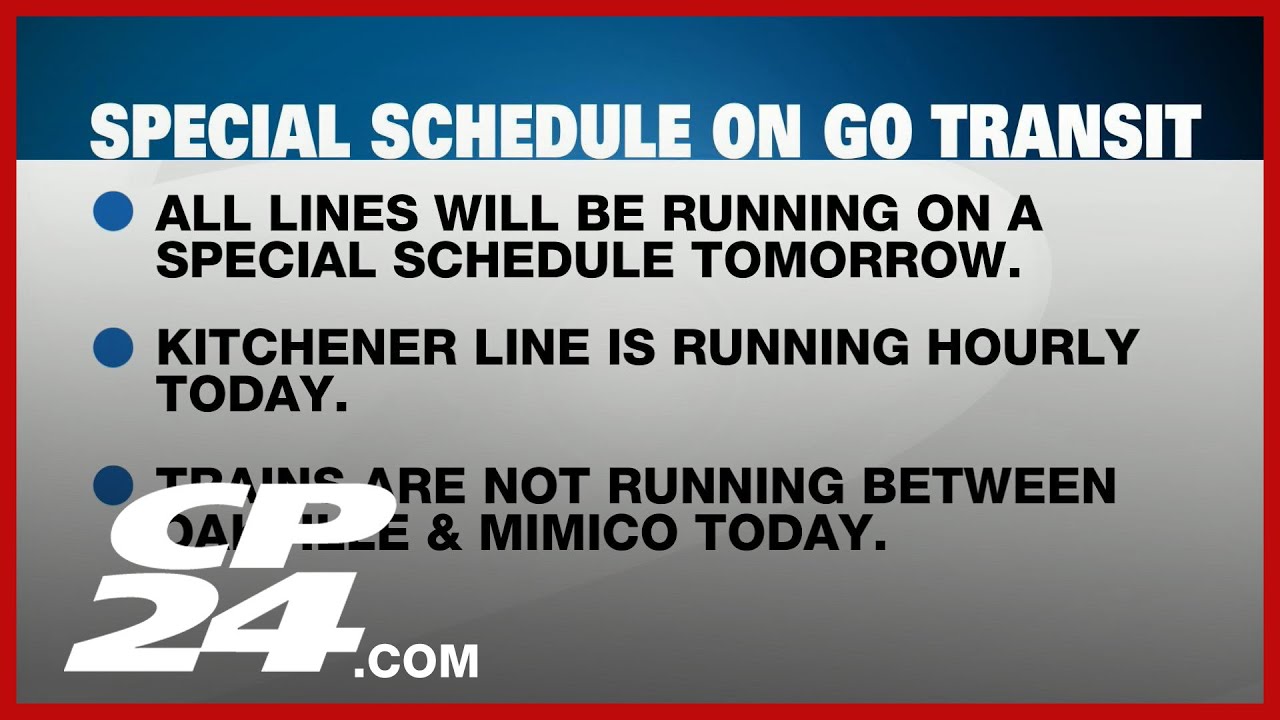
On another front, GO Transit has also adapted to the challenging conditions. All lines will operate on a special schedule due to the winter storm, underscoring the necessity for riders to stay informed. Passengers are advised to consult the GO Transit website for updated timetables and routes. Planning ahead becomes more than a suggestion; it’s essential for ensuring safe and timely travel during adverse weather.
The Kitchener line, notably, is operating at an hourly frequency today. However, travelers relying on the Lakeshore West line should be aware that no GO trains are currently running between Oakville and Mimico. This suspension is due to planned track work, further emphasizing the need for effective pre-journey planning.
In terms of operational updates, special trains on the Lakeshore West line are running hourly between Mimico and Union Station. This service will help alleviate some of the pressure on commuters facing the storm’s fallout. The combination of planned maintenance and bad weather creates a precarious situation for the transit network, making flexibility and patience essential virtues for all passengers at this time.
Meanwhile, safety remains paramount. Transit officials are working diligently to maintain service where conditions allow while prioritizing the well-being of passengers and staff. The unpredictability of winter weather can make transit management particularly challenging, but communication efforts are aimed at minimizing disruptions wherever possible.
As the storm progresses, continued updates will be essential for all transit users. Leveraging technology and staying informed is more critical than ever. The channels at ttc.ca and the GO Transit website offer not just schedules, but real-time information that can significantly streamline commutes amidst chaos.
Commuters should prepare for additional delays and fluctuating service patterns. While some lines may be operating on special schedules, it’s the unpredictable nature of severe winter weather that demands an adaptable mindset. Those who factor in the potential for longer wait times, alternate routes, and prepared plans will navigate these challenging conditions more effectively.
In conclusion, both TTC and GO Transit are doing their utmost to provide reliable service during this winter storm, albeit with necessary adjustments. The public’s cooperation and understanding during these disruptions are crucial. By leveraging available resources and staying informed, commuters can better manage their travel needs in the face of Mother Nature’s wrath. Winter is far from over, and transit agencies will continue refining their strategies to cope with the ever-evolving weather conditions.